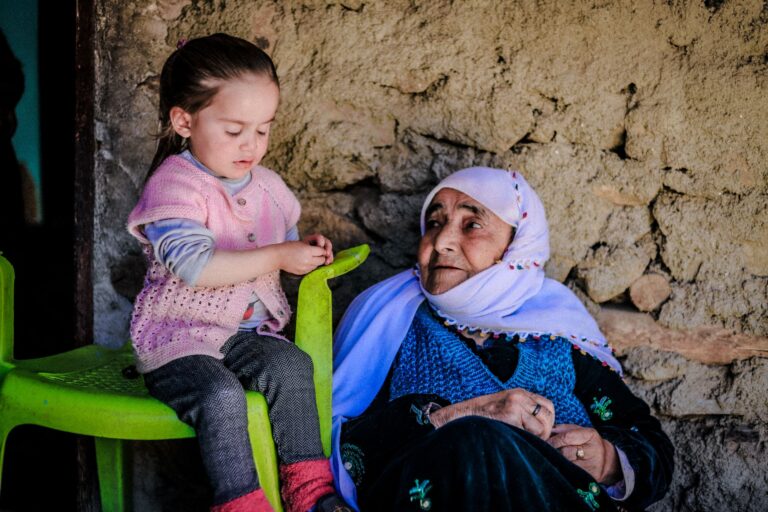
Simple knitting for one-on-one dementia care means one caregiver and one person share easy yarn work with thick tools and repeating motions. Engagement shows as steady attention and relaxed handling, while distress shows as stiffness, withdrawal, and restless or strained sounds. Engagement means observable involvement in the activity. The aim is comfort and connection in a calm moment, not a finished scarf.
Medical information disclaimer: This article is for general educational purposes only and does not provide medical advice, diagnosis, or treatment. Always consult a physician or other qualified health professional about symptoms, medications, tests, or treatment decisions.
Table of Contents
- Why add knitting to the daily routine?
- How do you keep the knitting simple?
- How can you tell engagement from distress?
- When should you simplify or stop?
Why add knitting to the daily routine?
The Alzheimer's Association advises building structured, pleasant activities into the daily routine because they can reduce agitation and improve mood, as explained in its daily care plan. A short, familiar activity gives the day shape.
Adapt the routine as abilities change. Keep sessions brief, unhurried, and free from television, visitors, or clutter.
How do you keep the knitting simple?
DailyCaring recommends large-gauge needles with thick, bright, easy-to-handle yarn and simple repetitive patterns, accepting tangled or oddly shaped output as success, as listed in its busy-hands guide. Big stitches are easier to see, hold, and pull.
Stop correcting technique. Tangled yarn still counts as participation.
- Offer one short needle with yarn already cast on.
- Use one bright color and one plain stitch.
- Let the person hold, wrap, stroke, or pull yarn.
- Praise effort, texture, and time together, not shape.
How can you tell engagement from distress?
HelpDementia.com contrasts the two states in its late-stage activities guide: A person may finger yarn, watch the loops, and hum quietly. Minutes later the same person may frown, grip hard, look away, or push the work aside.
- Engagement: sustained attention, relaxed shoulders, soft eye contact, handling materials, content sounds.
- Distress: rigidity, turning or pushing away, restlessness, stressed vocalizations.
When should you simplify or stop?
The craft link is observational, not proof of prevention, so use knitting for comfort and engagement in a quiet one-on-one setting and simplify or pause at the first frustration cue, according to the Alzheimer's Association in its communication guidance. Comfort in the moment is the outcome.
Watch for early cues such as sighing, rubbing hands, dropping needles, or saying no. Swap to holding a soft ball of yarn, stroking fabric, or simply resting together. Place the knitting where the person can see it and offer it again another day.