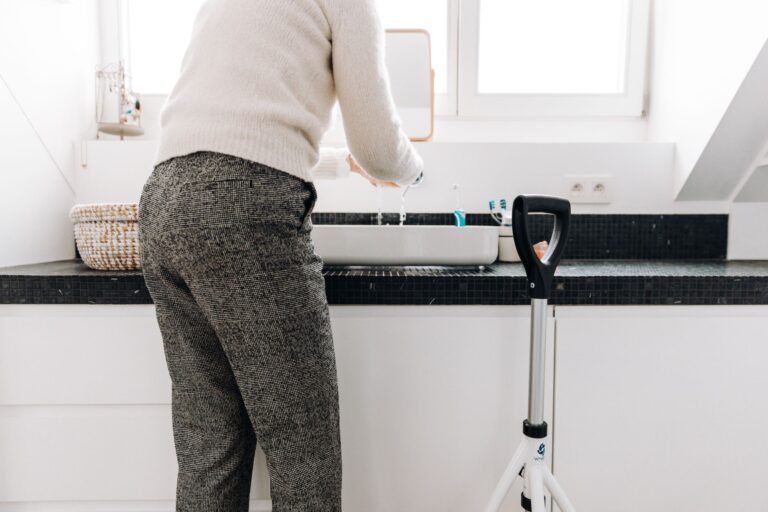
When starting slowly, ask your clinician which dance types and intensity fit your health and how to build up from a few minutes of low-intensity movement. Ask also what balance support you need and which pain, dizziness, or breathing symptoms mean you should stop. Dancing for brain health means using social partner or group dance as regular physical and mental activity. Researchers describe it as multidomain brain stimulation because it joins aerobic effort, step learning and memory, balance and coordination, and social contact.
Medical information disclaimer: This article is for general educational purposes only and does not provide medical advice, diagnosis, or treatment. Always consult a physician or other qualified health professional about symptoms, medications, tests, or treatment decisions.
Table of Contents
- Why are researchers interested in dance?
- What should I ask my clinician first?
- How much weekly activity should I aim for?
- How do I start slowly and stay steady?
- What limits should I keep in mind?
Why are researchers interested in dance?
Helena Blumen of Albert Einstein College of Medicine explains this combination as aerobic effort plus learning steps, coordination, and social interaction. That mix makes dance a useful model for stimulating several brain systems at once. In the Einstein Aging Study, Verghese and colleagues followed 469 adults age 75 and older from 1980 to 2001.
Frequent dancing was linked with lower dementia incidence than infrequent dancing, reported as hazard ratio 0.24, in the New England Journal of Medicine report. A later randomized trial enrolled 25 dementia-at-risk adults over 65 for six months of twice-weekly ballroom dance or twice-weekly treadmill walking. Both groups improved executive function, while dance showed larger gains in processing speed and less hippocampal shrinkage, in the trial report in the Journal of Aging and Physical Activity.
What should I ask my clinician first?
The National Institute on Aging advises older beginners to build from present fitness and to check with a clinician about safe types and intensity. Bring a short list: your heart, joint, balance, vision, and memory concerns, plus medicines that affect dizziness or stamina.
Ask how dance fits your other activity, strength needs, and fall risk. Ask whether a partner style, line dance, adapted class, or home practice suits you best now.
How much weekly activity should I aim for?
The CDC recommends that adults 65 and older get at least 150 minutes per week of moderate aerobic activity. It also recommends muscle-strengthening on two or more days plus balance work such as standing on one foot, in the CDC activity guidance for older adults.
Use that target as a direction, not a starting dose. Ask your clinician how dance minutes, walking, strengthening, and balance practice should share the week.
How do I start slowly and stay steady?
Start with a few minutes or a low-intensity dance and add time only as comfort allows. Choose a clear floor, firm support nearby, and shoes that do not slip or stick.
MedlinePlus advises holding a chair or wall for balance, breathing slowly without holding your breath, and progressing gradually, in the MedlinePlus exercise safety instructions. Light ankle weights are one later option when strength allows.
- Hold a chair or wall during new or one-foot moves.
- Breathe slowly and keep moving; do not hold your breath.
- Add a few minutes at a time before adding speed.
- Stop for pain, dizziness, or breathing trouble.
What limits should I keep in mind?
The ballroom trial was small and ended early during COVID, with only 16 completers. The dancing-dementia link comes from observational data, so it cannot prove that dance alone prevents dementia.
The Alzheimer's Association recommends programs that combine exercise, nutrition, cognitive engagement, and health monitoring rather than dance alone. Treat dance as one steady part of that broader plan.