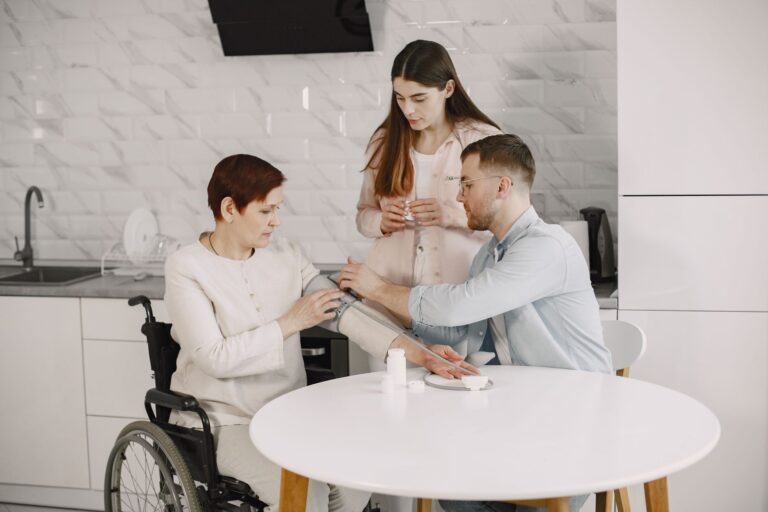
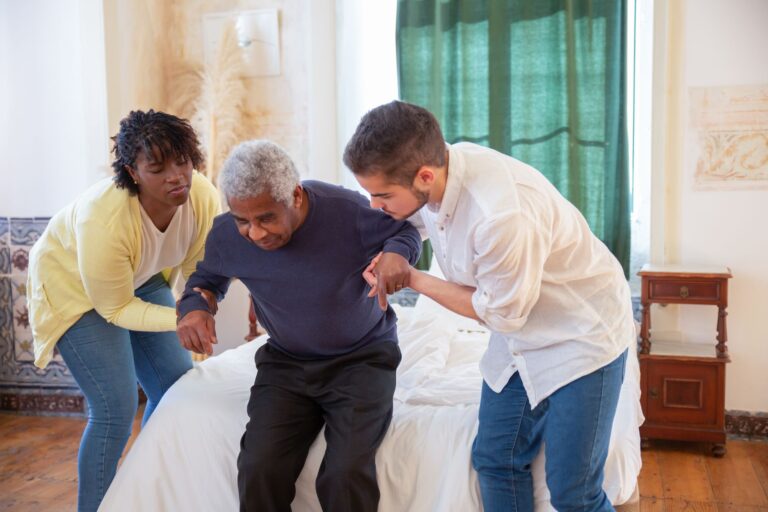
Yes, people with dementia can experience genuine joy during a grandchild's visit—emotional recognition and the capacity for connection often remain intact even as memory declines. When family members understand this and prepare visits thoughtfully, they create moments of real engagement that benefit both the person with dementia and the grandchild. Research shows that up to 56% of dementia residents in long-term care experience loneliness, and regular visits from family members significantly reduce that isolation and improve quality of life. By knowing how to approach these visits and what to expect, you can create space where genuine connection—not memory—becomes the focus.
Medical information disclaimer: This article is for general educational purposes only and does not provide medical advice, diagnosis, or treatment. Always consult a physician or other qualified health professional about symptoms, medications, tests, or treatment decisions.
Table of Contents
- Emotions Survive When Memory Fades
- What Research Shows About Visit Structure
- How to Communicate Clearly
- The Emotional Benefits for Both Generations
- Creating the Right Environment
- What to Expect When Emotions Shift
- Frequently Asked Questions
Emotions Survive When Memory Fades
People with dementia often lose their ability to recall facts, dates, or even recent conversations, yet their capacity to feel joy, sadness, love, and connection remains surprisingly intact. According to research from the Fisher Center for Alzheimer's Research Foundation, emotional processing and recognition typically persist despite memory loss, allowing people with dementia to experience affection and respond emotionally to a grandchild's presence even when they cannot remember specific details.
This is the crucial shift for family members: a grandchild's visit doesn't need to create new memories to be meaningful. Instead, the goal is to create a moment of genuine emotional connection—a feeling of warmth, laughter, or calm—that exists in the present. Your grandparent may not retain the specifics of your visit tomorrow, but they will have felt loved today, and that emotional experience shapes their well-being.
What Research Shows About Visit Structure
Quality matters far more than duration when visiting someone with dementia. Short, focused visits of approximately 30 minutes are more effective than longer stays at maintaining positive engagement without causing fatigue or overwhelming the person you're visiting. Preparation also makes a measurable difference.
Avoid memory quizzes ("Do you remember my name?") or correcting their version of events. Instead, bring familiar items—old photos, music they loved, or objects that spark reminiscence—and follow the caregiver's lead on timing and energy level. These practical steps prevent confusion and reduce anxiety during the visit.
How to Communicate Clearly
Effective communication during dementia visits follows specific strategies that create clarity rather than frustration. According to NIH research, using one simple idea at a time, validating emotions without correcting factual errors, and allowing processing time significantly improves meaningful connection and reduces confusion and anxiety. For example, if your grandparent says something factually wrong, accept it rather than argue.
If they seem upset, acknowledge their feeling ("You sound worried") instead of explaining why they shouldn't be. Speak clearly, use shorter sentences, and pause to give them time to respond. These approaches transform a visit into a genuine conversation rather than a series of memory tests.
The Emotional Benefits for Both Generations
Grandchild visits demonstrate measurable benefits for people with dementia, including reduced depression and anxiety and a renewed sense of purpose and engagement. At the same time, children learn empathy, flexibility, and the understanding that meaningful connection survives cognitive change.
Research shows that intergenerational interactions provide mental stimulation, rekindle feelings of love, and help seniors remain alert and engaged despite decline. The relationship is bidirectional—your grandparent benefits from your presence, and you benefit from learning to connect across difference.
Creating the Right Environment
Where and how you visit shapes the entire experience. A calm setting with minimal distractions, opportunities for physical touch (hand-holding, arm-linking), and activities that invite reminiscence—looking at old photos, listening to familiar music, or sitting together quietly—significantly improve visit satisfaction and engagement.
According to NIH research, environmental and interpersonal factors during visits—including calm settings, physical touch, reminiscence activities, and genuine presence—directly determine whether family involvement strengthens or stresses the dementia care experience. If your loved one seems restless or anxious, the environment may need adjustment—move to a quieter room, reduce background noise, or suggest a brief walk outdoors.
What to Expect When Emotions Shift
During or after a visit, your grandparent's emotional state may change—sometimes they become sad when you leave, even if they don't articulate why. This is normal and does not mean the visit was a failure.
Research shows that positive emotional experiences during visits create lasting behavioral improvements and can induce prolonged positive emotional states. If challenging behaviors emerge, remember that they often reflect feeling overwhelmed or disconnected, not rejection of you. Talk to the care team about what you observed, adjust your approach next time, and recognize that your consistent presence—even through difficult moments—reinforces that you still show up and still care.
Frequently Asked Questions
Does my grandparent with dementia remember me after I leave?
They may not recall specific details of your visit, but the emotional experience—feeling loved, entertained, or calm—shapes their well-being and mood. Research shows that positive emotional states can persist and improve behavior even when the visit itself isn't remembered.
What should I do if my grandparent doesn't seem to recognize me?
Focus on the present moment rather than testing memory. Introduce yourself simply ("Hi, it's your grandchild"), engage through familiar activities or touch, and let the caregiver guide you. Connection happens through presence and emotion, not recognition.
Is it okay to bring my young child to visit if I'm worried they'll be upset?
Brief, prepared visits are generally manageable for children, especially if they understand beforehand what dementia is and what to expect. Focus on simple activities together—coloring, gentle hand-holding, or listening to music—rather than conversation. Follow the caregiver's lead on timing and energy.
How often should we visit?
Regular visits—even monthly or quarterly—are more beneficial than occasional long stays. Consistency helps your loved one feel connected and reduces isolation. Aim for frequency that is sustainable for your family without creating stress.