Saying goodbye after a memory care visit means creating a calm departure that prioritizes your loved one's emotional comfort and your own emotional survival. The goodbye moment is harder than it sounds: your relative may not remember your visit minutes after you leave, may become distressed during the transition, or may not recognize you at all—yet that brief time together still matters deeply for both of you. Dementia caregiving involves what the Alzheimer's Association calls anticipatory grief—mourning that begins at diagnosis and continues through repeated losses as the person changes. Learning how to leave well, both practically and emotionally, is essential self-care for the caregiver you are now.
Medical information disclaimer: This article is for general educational purposes only and does not provide medical advice, diagnosis, or treatment. Always consult a physician or other qualified health professional about symptoms, medications, tests, or treatment decisions.
Table of Contents
- Why Goodbyes Carry Extra Weight
- Your Emotional Connection Survives Memory Loss
- A Practical Goodbye That Minimizes Distress
- How Often and How Long to Visit
- Managing Your Own Grief and Ongoing Connection
- Frequently Asked Questions
Why Goodbyes Carry Extra Weight
The goodbye after a memory care visit collides with a painful reality: your loved one may not retain the memory of your presence, but the visit still happened. Fifty-nine percent of dementia caregivers report high or very high emotional stress, and much of that weight settles during transitions—the moment you have to separate.
This emotional heaviness is not weakness; it is grief that coexists with hope. Many caregivers describe the experience as saying goodbye in slow motion, over months or years. Acknowledging that this is hard, not because you are weak but because you love someone you are losing incrementally, is the first step to managing departures without guilt.
Your Emotional Connection Survives Memory Loss
Research shows that emotional connection and implicit memory persist longer than explicit or factual memory, meaning your relative may not call you by name but will register your kindness, voice, and touch as comfort. The visit mattered even if it is forgotten.
Non-verbal communication—a smile, gentle hand-holding, nodding, or a soft voice—conveys safety when words become unreliable. You are demonstrating presence, not performance. This shift from "being remembered" to "being a calming influence" helps many caregivers reframe what a good visit looks like and why leaving is not undoing the good you just did.
A Practical Goodbye That Minimizes Distress
The most effective exit strategy is timing your departure to coincide with an existing activity—a meal being served, a bath or shower, a staff member arriving, or a planned activity. This provides a natural transition and distraction, reducing the agitation that can follow a prolonged or emotionally charged goodbye.
Avoid drawn-out, emotionally intense farewells. A brief statement ("I have to go now, but I'll be back") combined with a physical gesture—a hand squeeze, a kiss on the forehead, or a wave—works better than explaining your absence or promising an immediate return. Leave while your loved one is engaged or calm, not at a moment of heightened emotion.
How Often and How Long to Visit
One to two visits per week, lasting 30 to 60 minutes, provides comfort without overwhelming the person with dementia. Research shows this frequency balances emotional benefit with the reality that longer or more frequent visits can create stress for both the resident and the caregiver. Shorter visits often feel better for everyone.
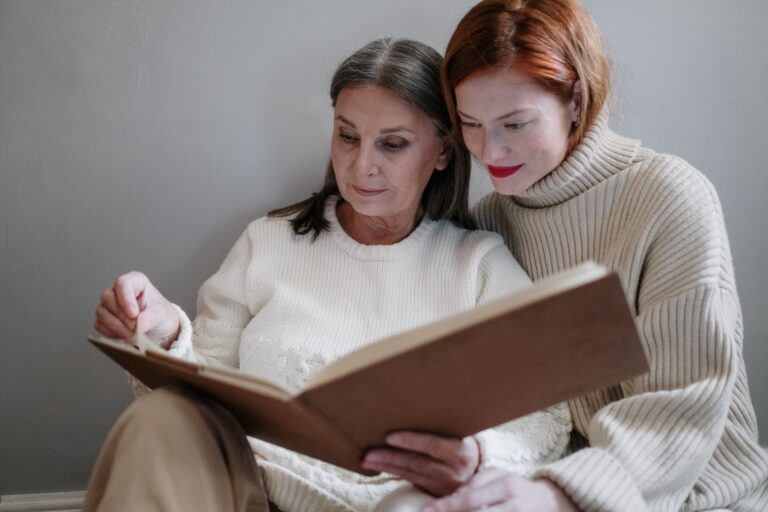
Thirty minutes of calm, focused attention is more restorative than two hours of forced conversation or activity. Memory care facilities relieve you of direct caregiving tasks, allowing these visits to be about companionship—conversation, sitting together, looking at photographs, or simply being present. This shift lets you be more patient and present than when you were managing daily care.
Managing Your Own Grief and Ongoing Connection
Dementia caregiving carries genuine psychological burden. About 40% of dementia caregivers experience depression symptoms, rates far exceeding the general population.
Your emotional exhaustion after visits, and your difficulty saying goodbye, reflect the real loss you are experiencing—not a failing. After your loved one dies, many caregivers find meaning in what researchers call "continuing bonds": maintaining connection through memory, honoring their wishes in daily choices, seeing their influence in family dynamics, or carrying forward their values. These connections do not end with death; they transform.
- —
Frequently Asked Questions
What if my loved one gets upset when I leave?
This is common. Calmly reassure them by saying "I'll be back" or "someone is here with you," then signal a staff member to redirect their attention. Lingering usually intensifies distress rather than soothing it.
Should I visit if they won't remember I was there?
Yes. Emotional memory persists even when factual memory fades. Your presence conveys safety and comfort in the moment, and research shows this matters for their wellbeing and your own.
How do I handle guilt about visiting less than I think I "should"?
One to two visits weekly is the research-supported standard. Guilt often reflects your own grief, not a real deficit in your caregiving. Speaking with a grief counselor or caregiver support group can help.