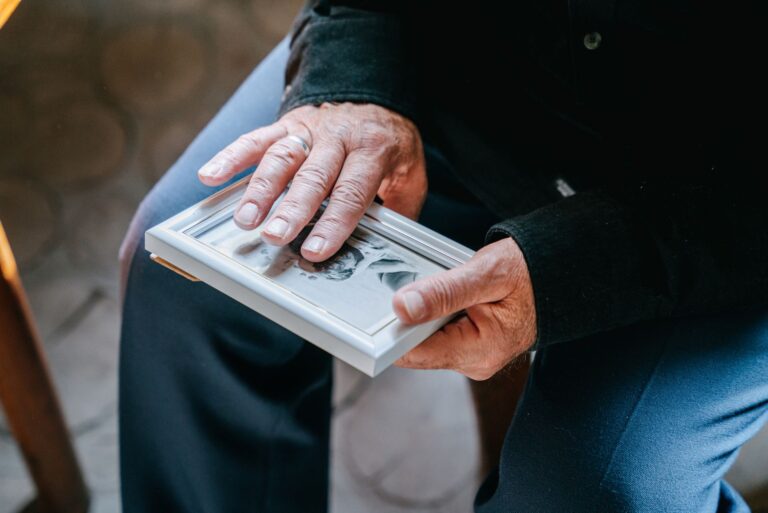
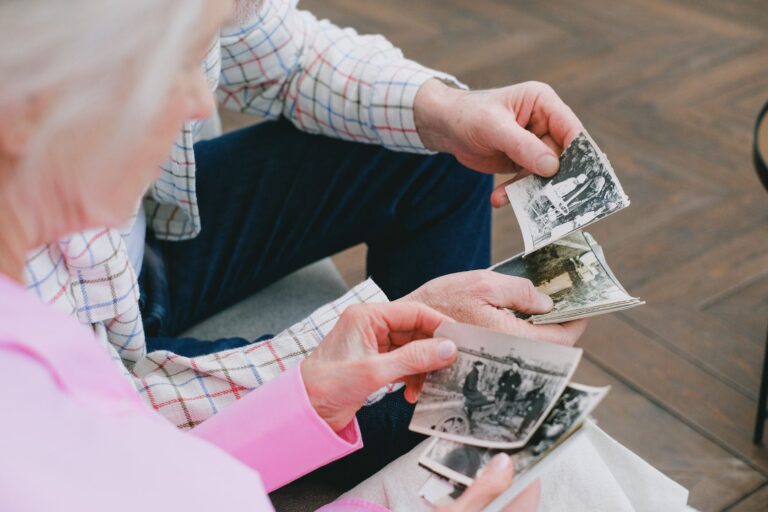
Reminiscence conversations for memory care groups invite people with dementia to talk about a past period, event or subject using prompts such as music, objects and photos. The Alzheimer's Society describes this sharing as a supported conversation with a professional, friend or family member, not a memory test, Alzheimer's Society therapy and approaches page. A calm circle, multisensory supplies and simple safety steps help small groups take part. Short meetings work best when joining is voluntary and stories matter more than correct recall.
Medical information disclaimer: This article is for general educational purposes only and does not provide medical advice, diagnosis, or treatment. Always consult a physician or other qualified health professional about symptoms, medications, tests, or treatment decisions.
Table of Contents
- What does a group session look like?
- Which supplies spark conversation?
- How do you set up a safe circle?
- What can groups realistically expect?
What does a group session look like?
Groups often meet in care homes, community rooms or private homes. Sessions can run one-to-one, in small groups, or with family present. Storytelling, life review and shared personal histories guide the talk.
Leaders offer a theme and let each person respond in turn. They avoid quizzes that demand correct recall. They redirect gently if a memory causes distress.
Which supplies spark conversation?
Supportive Care's guide lists multisensory triggers that suit different senses and life histories, Supportive Care reminiscence therapy guide. Old photos and keepsakes aid sight.
Familiar songs and sounds aid hearing. Meaningful toys, clothing or household items add touch. Perfumes, cooking smells or childhood aromas add smell.
- photos of local streets, holidays, weddings and work life
- songs, radio clips, church hymns, lullabies and nature sounds
- scarves, hats, tools, kitchen items and soft toys
- soap, spices, fresh bread, flowers and shoe polish
How do you set up a safe circle?
Choose a quiet, well-lit room with chairs in a close circle. Make sure hearing aids and glasses are in place. Keep sessions short and state that anyone may listen without speaking.
The Alzheimer Society of Canada recreation tips handout recommends voluntary participation, redirection if distress appears, and avoiding small, sharp, breakable or allergenic props, Alzheimer Society of Canada recreation tips handout. Check props for rough edges and strong scents. Keep walkways clear and water within reach.
What can groups realistically expect?
Cochrane reviewed 22 randomized trials with 1,972 people with dementia and found inconsistent, often small effects that varied by setting and format, with some gains in quality of life, cognition, communication and mood, Cochrane reminiscence therapy review. A pleasant session still has value when members chat, smile and feel included.
Plan for comfort rather than improvement on a test. Note which themes, songs and objects bring ease. Remove any item that causes upset or confusion before the next meeting.