Reminiscence conversations are guided group talks that use past memories to build connection among people with dementia. Engagement shows as more talking, eye contact, smiling, handling photos, and joining singing or shared stories, while distress shows as agitation, tearfulness, withdrawal, or defensiveness. Structured sessions use personal photographs, music, objects, and scents to cue long-term memory and keep conversation going. The goal is social connection, not correct recall, so facilitators watch closely and adjust when mood shifts.
Medical information disclaimer: This article is for general educational purposes only and does not provide medical advice, diagnosis, or treatment. Always consult a physician or other qualified health professional about symptoms, medications, tests, or treatment decisions.
Table of Contents
- What does engagement look like?
- How do prompts sustain conversation?
- What does distress look like?
- How should facilitators respond?
- What results can groups expect?
What does engagement look like?
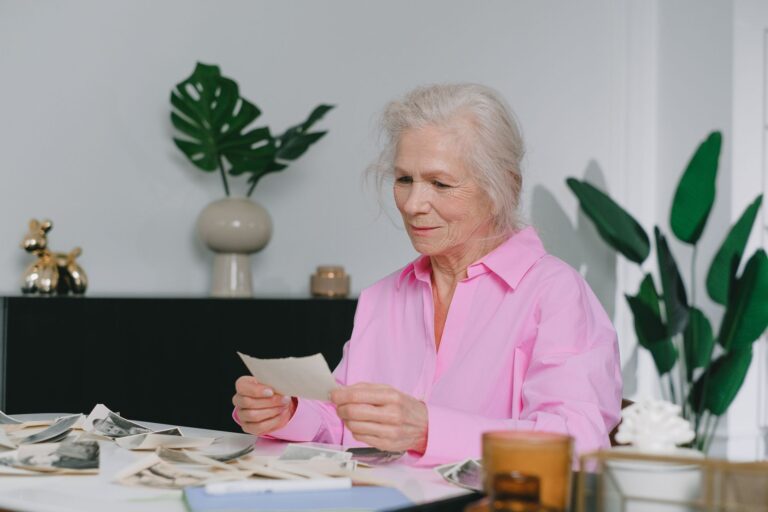
Engaged members stop sitting silently and join in. According to National Council of Certified Dementia Practitioners guidance, signs include increased talking, eye contact, smiling, handling photos or objects, and joining singing or shared storytelling, described in dementia-activities guidance. A member may pick up a wedding photo and describe the day.
Another may hum along, clap, or finish a familiar song line. Others lean forward, nod, laugh, or add a detail to a neighbor's story. These small actions matter more than factual accuracy. Participation itself shows the person feels safe and included.
How do prompts sustain conversation?
Structured reminiscence relies on sensory cues rather than questions from memory. The same National Council of Certified Dementia Practitioners guidance explains that personal photographs, music, objects, and scents cue long-term autobiographical memory, noted in dementia-activities guidance. A facilitator might play a familiar song, pass around a kitchen tool, or offer soap, spices, or flowers to smell.
Each cue gives members something to see, hold, or hear while they talk. Music often works well in groups. A 2025 mixed-method systematic review reported that group live-music reminiscence therapy showed beneficial effects on depression and anxiety symptoms, according to Karger in Group Live-Music Reminiscence Therapy for People with dementia.
What does distress look like?
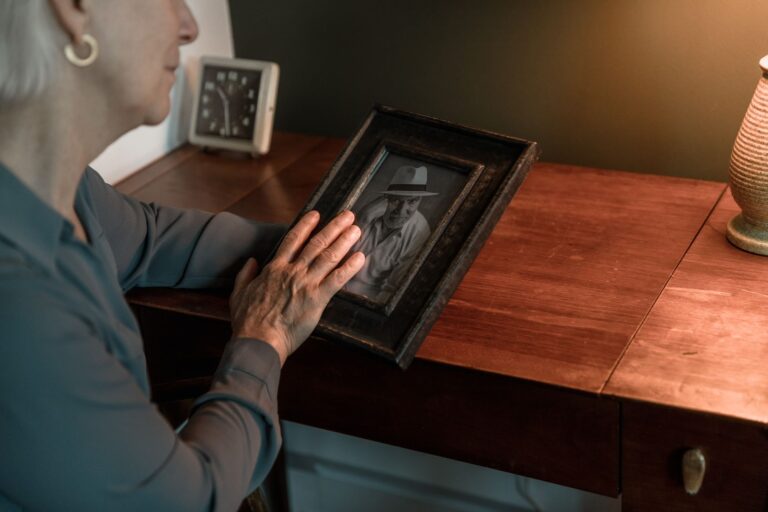
Reminiscence can surface sad or difficult memories. A person may become visibly upset or tearful and need support to express feelings if comfortable, as described by Alzheimer's Society UK in therapy and approaches for memory loss support.
Distress does not always arrive as words. Watch for: These responses match wider dementia distress signals described by Alzheimer's Society UK, including agitation, tearfulness, defensiveness, and withdrawal, detailed in end-of-life communication and physical needs guidance.
- agitation, restlessness, or irritability
- tearfulness, flat withdrawal, or turning away
- defensiveness, refusal, or inability to settle and sleep
How should facilitators respond?
Do not test memory. Quiz-style recall raises pressure, so facilitators should aim for connection and offer prompts, breaks, or a shift to positive memories when distress appears. Stay calm and acknowledge the feeling.
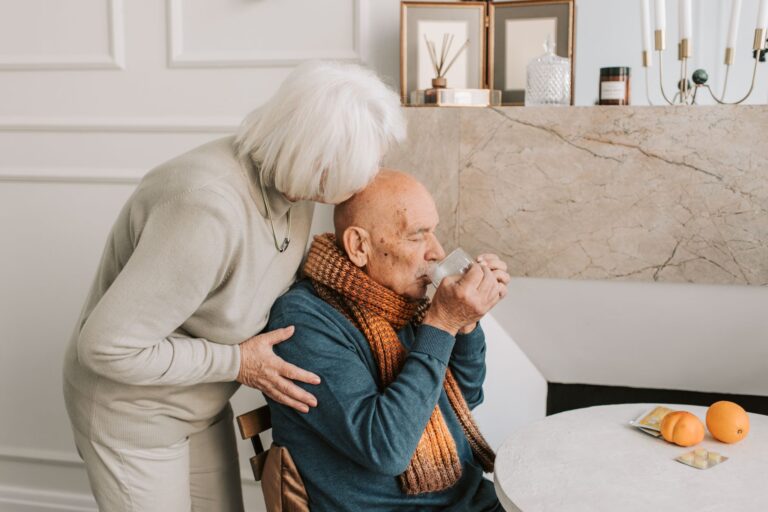
Invite the person to share only if they want to, offer a pause or drink, and move the group gently toward safer material. A one-to-one check-in after the session can help. Keep prompts open and unhurried. "What does this song remind you of" supports choice, while "What year was this" demands a correct answer.
What results can groups expect?
Evidence reviews link reminiscence and life-story-book work to better quality of life for people with dementia. Benefits are modest and vary by person, format, and stage of dementia.
The large REMCARE multicentre trial found better autobiographical memory right after joint reminiscence groups but not at follow-up, with mixed effects on quality of life. Use sessions for present-moment enjoyment, participation, and mood, not lasting memory repair.