Step-by-step reminiscence conversations give memory-care groups a predictable way to share past experiences. Reminiscence therapy means structured, guided conversation about a person's past, often led by trained staff. Group leaders use the same flow each time so participants know what comes next. The format keeps talk brief, person-centred, and calm from welcome to farewell.
Medical information disclaimer: This article is for general educational purposes only and does not provide medical advice, diagnosis, or treatment. Always consult a physician or other qualified health professional about symptoms, medications, tests, or treatment decisions.
Table of Contents
- What does a typical program look like?
- How do you lead each conversation?
- Which prompts invite the most response?
- What benefits and limits should families expect?
What does a typical program look like?
Most group programs meet weekly for 6 to 10 sessions of about an hour. According to a 2023 scoping review in the Journal of Psychosocial Nursing, themes move through childhood, youth, work, marriage, children, and proudest achievements, as described in the review summary. Each session ends by summarizing memories and previewing the next topic.
A tested protocol uses about 50 minutes with a clear split. Welcome plus orientation to date, season, and place takes 7 minutes. The main activity takes 40 minutes, then thanks and farewell take 3 minutes.
How do you lead each conversation?
Start with welcome and orientation. State the date, season, and place, then name the day's theme in plain words. Then guide the main exchange with one prompt at a time.
Iriss guidance recommends validating emotions, summarizing each person's contribution, and closing calmly so no one leaves distressed. Keep turns short and return quiet members to the prompt without pressure. Use life-story records to keep identity steady over time. Those records help during moves between home, hospital, and care homes.
- Welcome the group and orient to time and place
- Offer one concrete prompt and invite responses
- Validate feelings and restate each contribution briefly
- Thank everyone and close with a calm farewell
Which prompts invite the most response?
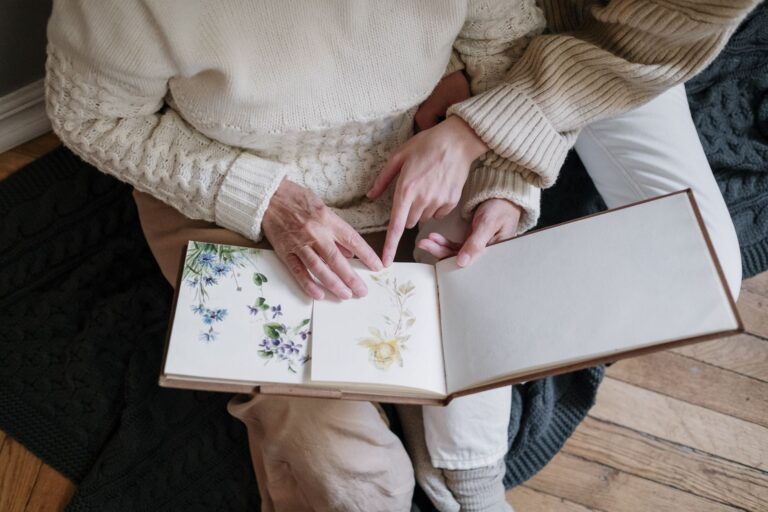
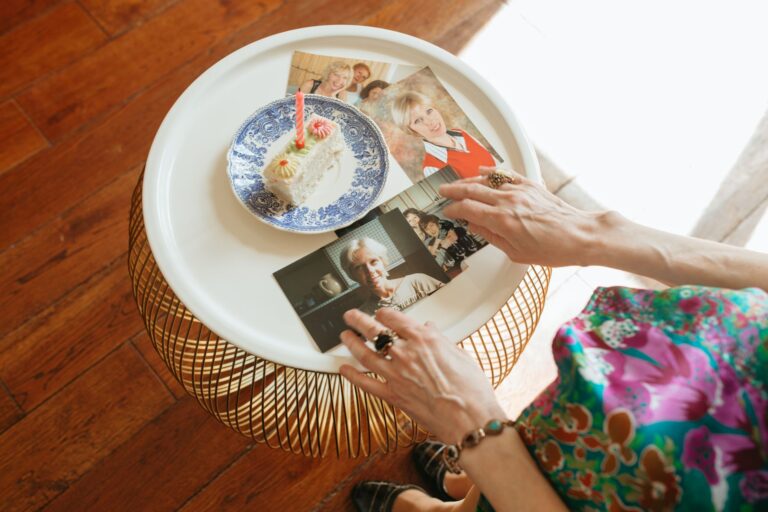
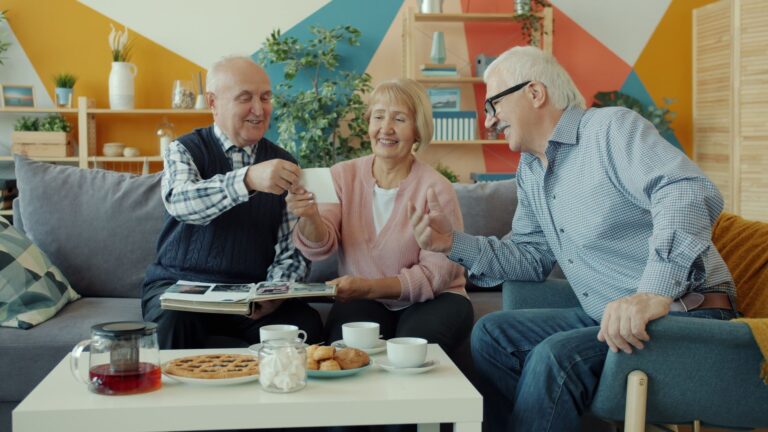
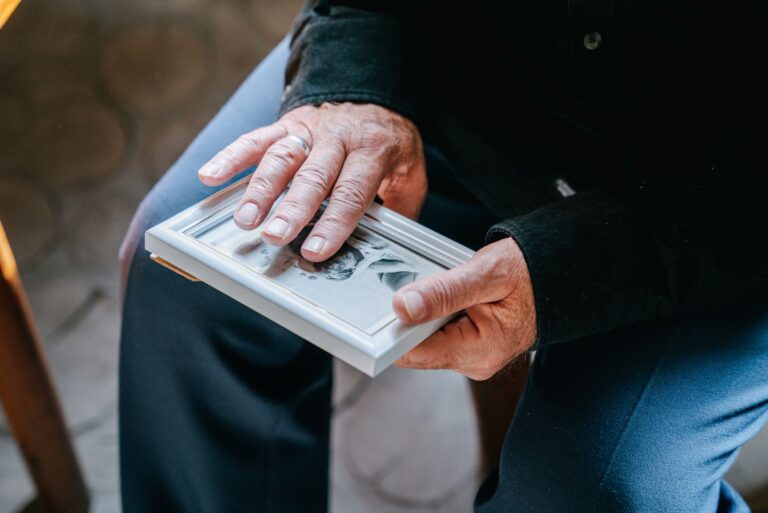
Use concrete memory prompts that people can see, hear, or hold. Iriss lists photographs, music, familiar objects, and life-story albums as practical aids. Deliver them one-to-one or in small groups with help from staff and relatives.
A wedding song, a kitchen tool, a school photo, or a favorite food can start talk faster than an open question. Match the prompt to the person, not the theme alone. If music lights up one member and photos help another, offer both choices. Let refusal stand and invite listening instead.
What benefits and limits should families expect?
The strongest evidence comes from a 2018 Cochrane review of 22 randomized trials with 1,972 people with dementia. According to Cochrane, researchers found small immediate benefits for cognition, plus positive effects on quality of life, mood, and communication, as reported in the Cochrane review.
Effects are inconsistent, often small, and differ by setting and format. Cognitive gains were not sustained at longer follow-up, and effects were weaker for people with severe dementia. For groups, this means aiming for connection, mood, and participation in the room rather than lasting memory change.