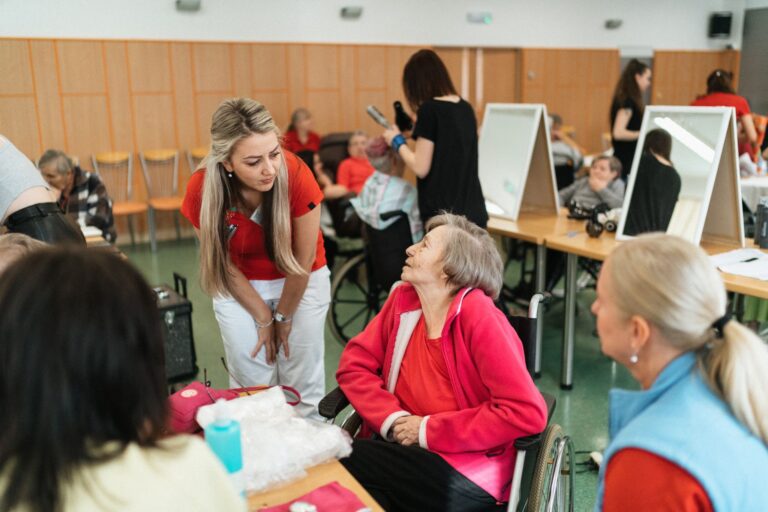
Group Cognitive Stimulation Therapy improves cognition and quality of life for people with mild-to-moderate dementia. It does not reliably reduce caregiver stress, burden, or depression.
Cognitive Stimulation Therapy is a structured group program, not puzzles at home. According to University College London, it involves 14 themed 45-minute sessions, twice weekly for seven weeks, for five to eight people with mild-to-moderate dementia in its evidence summary. Sessions use discussion, word games, music, and everyday topics to engage thinking and social contact.
Medical information disclaimer: This article is for general educational purposes only and does not provide medical advice, diagnosis, or treatment. Always consult a physician or other qualified health professional about symptoms, medications, tests, or treatment decisions.
Table of Contents
- Who is group CST for?
- How does it affect quality of life?
- Does it ease caregiver stress?
- What can families do next?
Who is group CST for?
Group CST is designed for people living with mild-to-moderate dementia. Small groups allow each person to speak, listen, and join themed activities. UK NICE guidance recommends offering group cognitive stimulation therapy to this group, as summarized by University College London in the same evidence summary.
Ask the memory clinic or GP whether local groups are running. Check diagnosis stage, hearing and vision needs, and transport. A person who can join a small discussion is often a good fit.
How does it affect quality of life?
A multicentre single-blind randomised trial of 201 older people with dementia found CST significantly improved cognition and quality of life versus usual activities, according to an Evidence-Based Nursing summary of Spector and colleagues in its research summary. Benefit came from the full group program, not brief or occasional activities.
Families may notice more talk, interest, and confidence during the seven weeks. Gains concern thinking and daily enjoyment. They do not mean memory returns to normal.
Does it ease caregiver stress?
Evidence for caregiver relief is weaker than evidence for patient quality of life. Benefits are strongest for group CST in mild-to-moderate dementia and do not consistently extend to caregiver burden, depression, behaviour, or everyday functioning.
For family carers trained to deliver one-to-one stimulation, Cochrane reviewers found improved patient cognition with no added strain reported for caregivers. That means no extra burden, but also no clear drop in stress. Home-based individual CST tested in 356 dementia-carer dyads did not improve patient cognition or quality of life, nor caregiver health or relationship quality.
What can families do next?
A follow-up maintenance trial gave standard seven-week CST then 24 weekly sessions and tested longer-term cognition, daily function, and quality of life. Continued contact may matter, so plan what follows the first course.
- Ask for group CST through the GP, memory service, or dementia support worker.
- Finish the full seven-week course before judging benefit.
- Ask about maintenance sessions after the first course.
- Keep usual care, routines, and respite support in place.
- Track sleep, mood, interest, and daily enjoyment, not only memory scores.