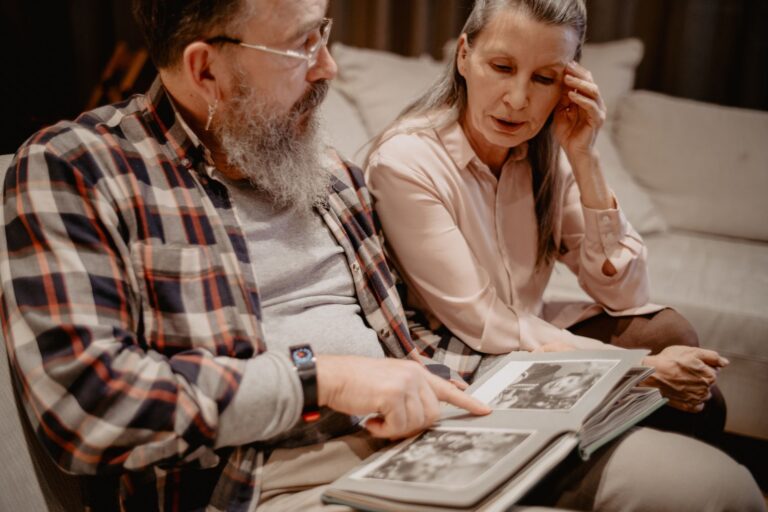
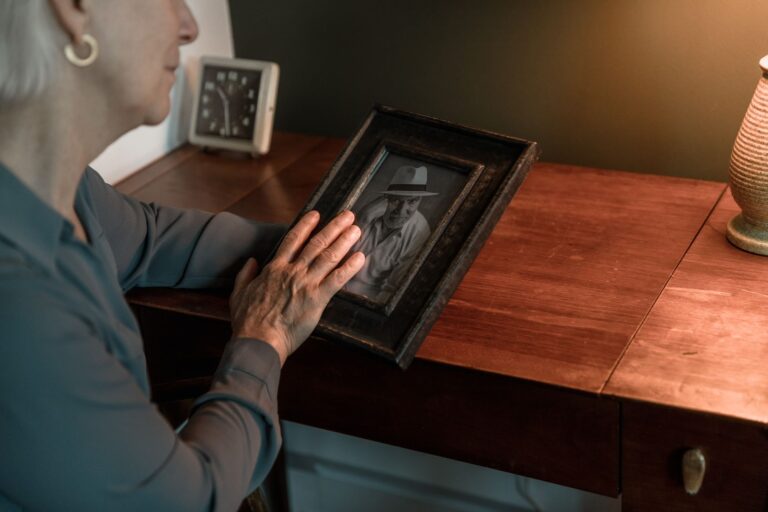
Keep memory-care reminiscence groups small, pick one familiar theme, and pass one tangible prompt at a time. Ask one short question at a time, offer simple choices, and let anyone skip, listen, or hold objects. Reminiscence therapy is guided discussion of past memories with others using photographs, music, or familiar objects to spark recall and conversation. This format lowers pressure to perform and keeps the door open for different abilities.
Medical information disclaimer: This article is for general educational purposes only and does not provide medical advice, diagnosis, or treatment. Always consult a physician or other qualified health professional about symptoms, medications, tests, or treatment decisions.
Table of Contents
- Set up a small, single-theme group
- How should you word questions?
- Who benefits most from group reminiscence?
- What helps when confusion or distress appears?
Set up a small, single-theme group
Choose one familiar theme per session, such as school lunches, gardening, holidays, or first jobs. Keep the group small so each person gets time to respond. Pass one sensory prompt at a time.
One song, one photo, or one kitchen tool holds attention better than a table full of items. Invite rather than quiz. Ask people to share what they notice or enjoy, and state clearly that listening counts as joining in.
How should you word questions?
The Alzheimer's Association advises simple pacing in its communication topic sheet. Use short sentences, speak slowly, and wait longer than feels natural for a reply. Say, "Did you bake bread?" rather than "What did your family eat when you were young and who cooked it?" Hold up the bread pan while you ask.
- Ask one question at a time.
- Offer a yes-or-no question or two to three concrete choices.
- Name the object in your hand.
- Pause, then repeat once in the same words if needed.
Who benefits most from group reminiscence?
The UK NICE dementia guideline NG97 suggests considering group reminiscence therapy for people with mild to moderate dementia as a tailored wellbeing activity, described in the full NG97 resource. It fits programs that support mood, engagement, and social connection. A 2018 Cochrane review of 22 randomized trials with 1,972 people with dementia found small inconsistent benefits in its full review.
Group formats showed probable slight gains in communication, while one-to-one sessions helped mood more. Gains in thinking and quality of life were small, varied by setting, and often faded. Effects linked to life history appear weaker in severe dementia, so match the activity to current needs.
What helps when confusion or distress appears?
Follow the person's lead and do not correct mistakes. Acknowledge feelings first, such as sadness, worry, or frustration. The National Institute on Aging recommends this calm approach in its guide to communicating with someone who has Alzheimer's.
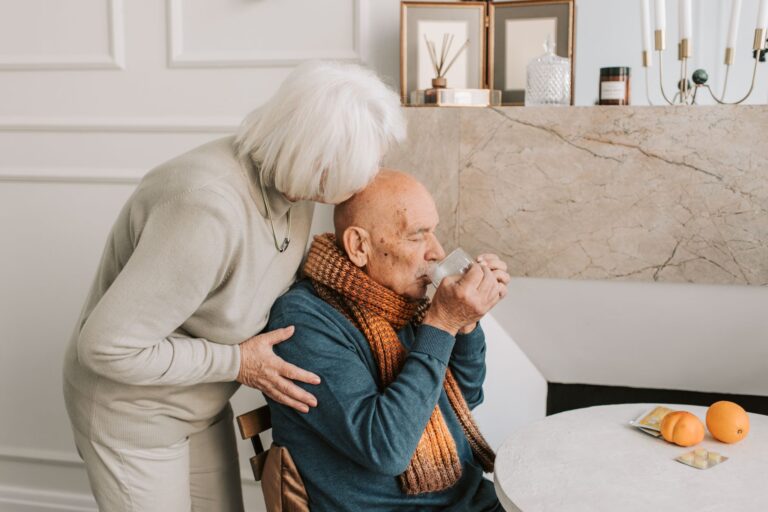
Redirect gently to a pleasant song, photo, or familiar object. If upset persists, pause the activity. Offer a drink, a short walk, or quiet time with an object to hold.