Reviewed by the Help Dementia Editorial Team — our editors review every article for accuracy against guidance from the National Institute on Aging, the Alzheimer’s Association, and peer-reviewed sources.
Eating more sits at the center of this dementia and brain health question.
Research on flavonoid-rich foods including raspberries suggests that regular berry consumption may play a protective role against dementia development. While there isn’t a study focused exclusively on raspberries alone, extensive research on berries and their flavonoid content shows meaningful associations with reduced dementia risk. A landmark 2024 study involving over 121,000 participants found that consuming flavonoid-rich foods—a category that prominently includes raspberries, blueberries, and strawberries—was associated with a 28% lower risk of developing dementia.
The research underscores what scientists have long suspected: what you eat directly influences your brain’s long-term health. The evidence is strongest when looking at berries as a category rather than individual types. A 20-year longitudinal study showed that people with the highest flavonoid intake—achieved through regular consumption of berries, tea, and other plant-based sources—were approximately 40% less likely to develop dementia compared to those with the lowest intake. For someone like Margaret, a 68-year-old who started adding a handful of raspberries to her morning yogurt after learning about these studies, the potential benefit provides practical motivation to make dietary choices that align with brain health goals.
Table of Contents
- Why Do Raspberries and Berries Matter for Dementia Prevention?
- Understanding Flavonoids and Brain Health Beyond the Numbers
- Comparing Raspberries to Other Protective Foods
- Making Raspberries Part of a Dementia-Prevention Strategy
- Cost, Availability, and Realistic Expectations
- Raspberries in the Context of Broader Dietary Patterns
- Future Research and What’s Next
- Conclusion
Why Do Raspberries and Berries Matter for Dementia Prevention?
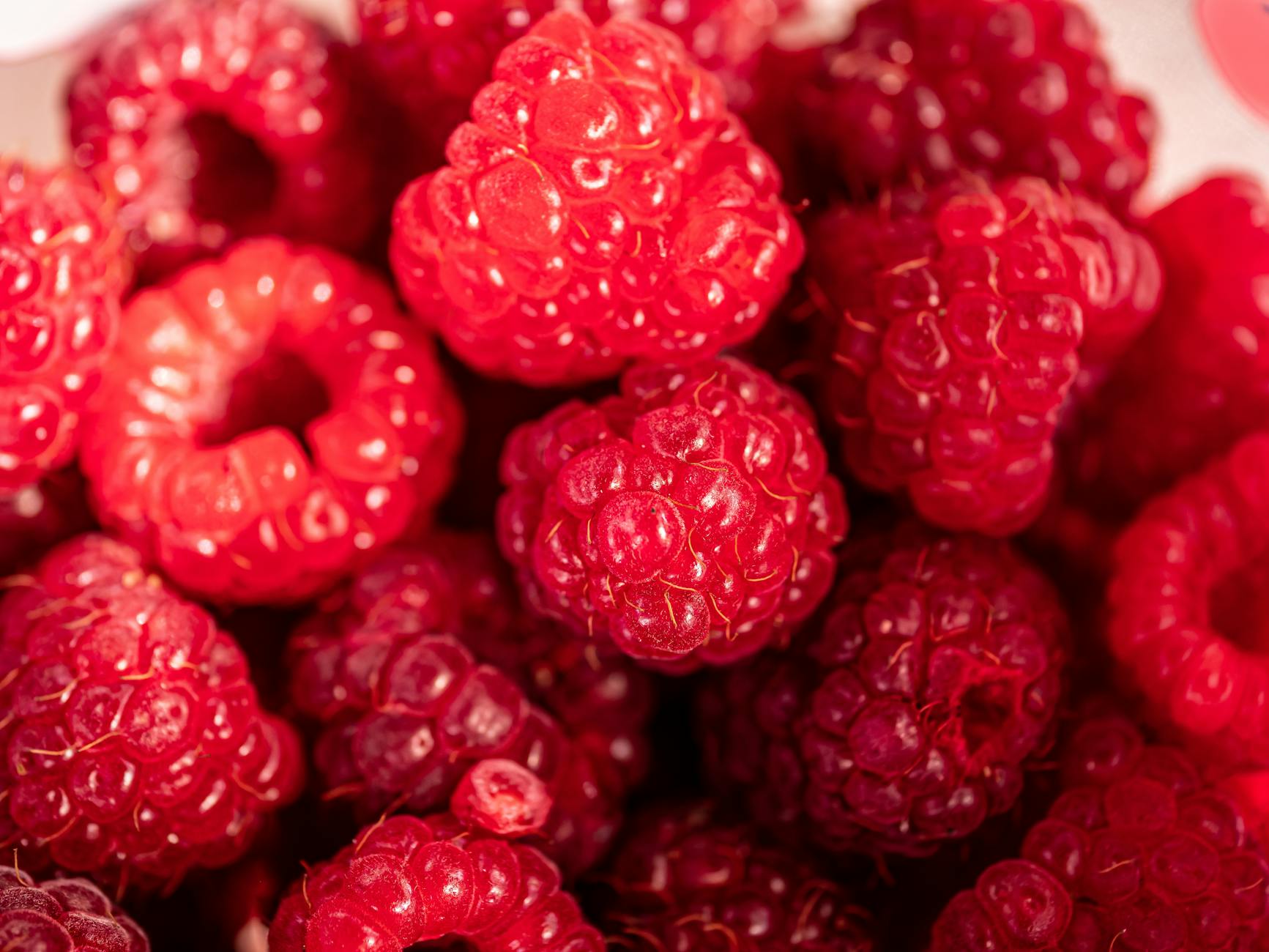
Raspberries contain high concentrations of anthocyanins and other flavonoids—plant compounds with strong antioxidant and anti-inflammatory properties. These compounds cross the blood-brain barrier and directly interact with brain cells, potentially reducing the neuroinflammation that contributes to cognitive decline. The flavonoid content in raspberries is particularly notable because it addresses one of the primary mechanisms behind dementia: the accumulation of damaged proteins and oxidative stress within brain tissue. The 2024 UK Biobank study that tracked 121,986 participants for an average of 9.2 years provides the strongest recent evidence.
The research distinguished itself by measuring actual berry consumption against incident dementia cases—882 documented cases emerged during the follow-up period. Adding just six additional servings of flavonoid-rich foods daily, which could include a cup of raspberries, was associated with a 28% reduction in dementia risk. This finding is significant because it demonstrates a dose-response relationship: more flavonoids appear to offer more protection. Earlier research examining strawberries specifically (from the Rush Memory and Aging Project, which followed participants for 6.7 years) found that among 925 participants, those consuming berries at least once weekly showed delayed cognitive decline compared to infrequent consumers. While this study focused on strawberries, the underlying mechanism is identical to raspberries—flavonoid-mediated neuroprotection.
Understanding Flavonoids and Brain Health Beyond the Numbers
The biological mechanism connecting berry consumption to dementia protection operates through multiple pathways. Flavonoids reduce inflammatory markers in the bloodstream that otherwise circulate to the brain, where they trigger microglial activation—a state in which the brain’s immune cells become hyperactive and begin damaging healthy neurons. Additionally, flavonoids support the integrity of the blood-brain barrier, the selective membrane that protects neural tissue from harmful substances while allowing nutrient passage. However, a critical limitation exists in current research: most studies are observational rather than randomized controlled trials. The 2024 UK Biobank study, while large and rigorous, measured correlation between reported dietary intake and dementia diagnosis.
People who eat more raspberries may also exercise more, sleep better, or have higher education levels—all factors that independently protect against dementia. Isolating the specific effect of raspberries themselves remains methodologically challenging. Researchers cannot randomly assign people to eat or avoid raspberries for 10 years and measure outcomes, so some uncertainty remains about causation versus association. The evidence is also strongest for certain types of dementia. Flavonoid-rich diets showed the most pronounced protective effect against Alzheimer’s disease specifically, though benefits appeared across dementia types. Age at which consumption begins also matters—a 2026 study found that plant-food rich diets cut dementia risk even when dietary changes begin later in life, suggesting that starting a berry-focused diet at 70 is not futile, though earlier adoption likely offers greater cumulative benefit.
Comparing Raspberries to Other Protective Foods
While raspberries rank among the highest-flavonoid fruits, they’re not uniquely powerful. Blueberries, blackberries, and strawberries contain similar or occasionally higher anthocyanin concentrations. The 2024 study grouped berries together with tea and red wine—all significant sources of flavonoids. A person eating one cup of raspberries daily gets roughly equivalent brain-protective benefits to someone consuming green tea three times weekly, though the compounds differ slightly in structure and metabolism.
The practical advantage of raspberries over some alternatives is accessibility and palatability. Fresh raspberries can be expensive and spoil quickly, but frozen raspberries retain nearly all flavonoid content and cost considerably less. Compared to the expense of establishing a daily tea habit or regularly purchasing wine, frozen raspberries represent a straightforward, efficient delivery mechanism for neuroprotective compounds. A cup of frozen raspberries costs approximately $3-4 and provides the equivalent flavonoid boost of multiple cups of tea or a glass of wine.
Making Raspberries Part of a Dementia-Prevention Strategy
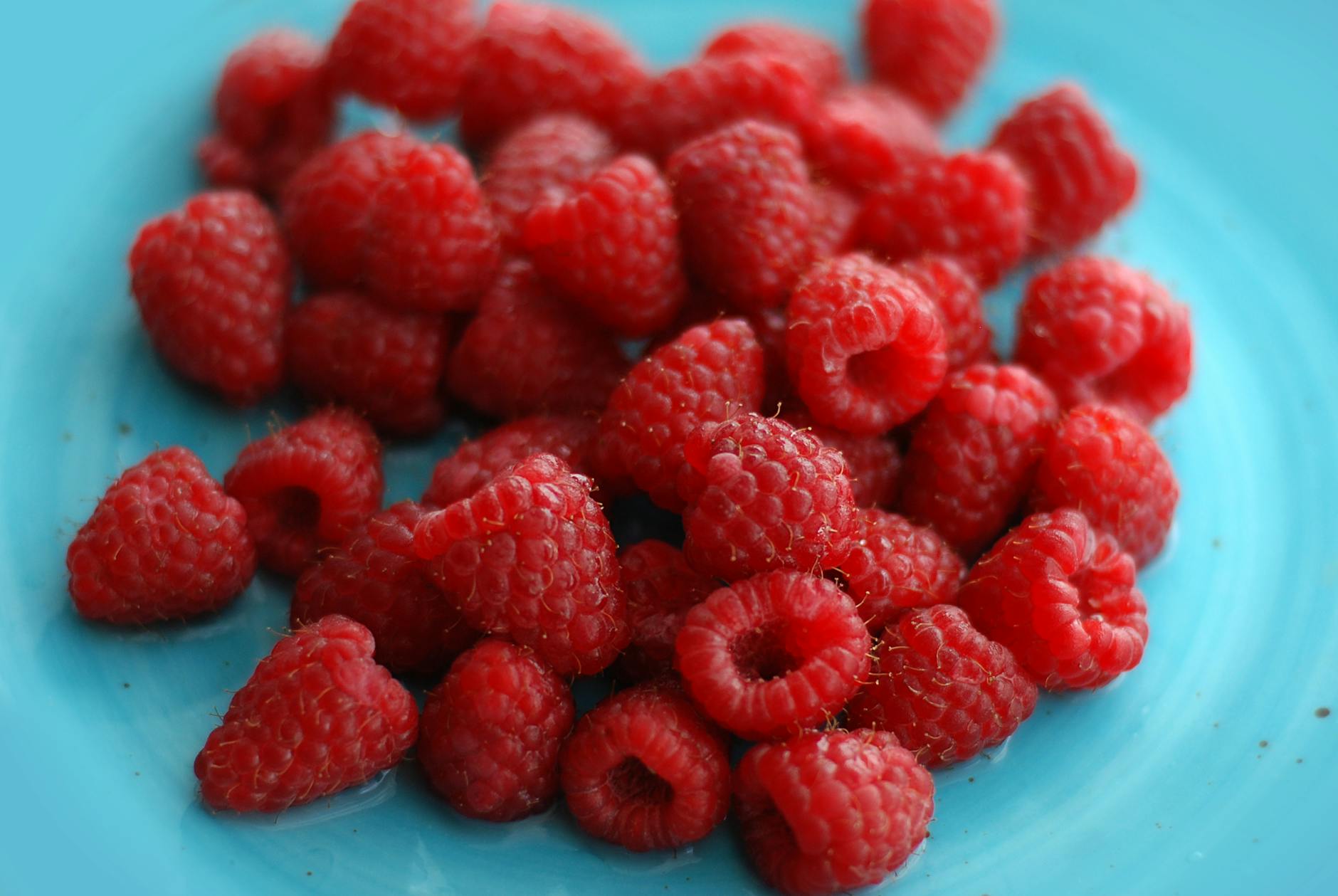
Adding raspberries to your diet requires no special knowledge or preparation, though consistency matters more than perfection. The beneficial effect seen in research studies reflects regular consumption over years—not occasional berries. The most practical approach involves making raspberries convenient: buy frozen varieties and add them to morning smoothies, oatmeal, or yogurt. A daily serving of one-half to one cup appears sufficient based on the amounts consumed in study populations.
Integration with other protective factors amplifies the benefit beyond what raspberries alone can provide. The research shows flavonoid-rich foods work synergistically with physical activity, cognitive engagement, quality sleep, and social connection. Someone incorporating raspberries while remaining sedentary gains some protection, but the same person who also walks 30 minutes daily and maintains active friendships receives substantially greater cognitive benefit. This layered approach explains why the 40% dementia risk reduction in the 20-year study involved participants making multiple lifestyle choices, not relying on diet alone.
Cost, Availability, and Realistic Expectations
Frozen raspberries represent the most accessible option for consistent consumption. Fresh raspberries peak seasonally in summer and become expensive or lower-quality during winter months in most climates. Frozen raspberries are flash-frozen at peak ripeness, preserving flavonoid content at levels comparable to or exceeding fresh berries that have been transported long distances and stored for days. The cost difference is substantial: frozen raspberries cost roughly half the price of fresh ones per serving.
One limitation in applying this research personally: the studies measured flavonoid intake across entire populations, not outcomes in individuals. Someone consuming high-flavonoid foods might still develop dementia due to genetics, severe head injury, advanced age, or other non-dietary risk factors. These studies reduce risk but don’t eliminate it. The 28% reduction means that in a population of 1,000 people who would otherwise experience 140 cases of dementia, regular flavonoid consumption reduces that to approximately 100 cases. For an individual, it’s impossible to know whether raspberries personally prevented cognitive decline.

Raspberries in the Context of Broader Dietary Patterns
The Mediterranean and MIND diets—both extensively studied for dementia prevention—emphasize berries prominently because of their flavonoid density. These eating patterns include raspberries alongside leafy greens, nuts, olive oil, fish, and legumes. Someone following a Mediterranean diet that includes raspberries multiple times weekly benefits from the synergy of multiple protective foods rather than the isolated effect of raspberries alone.
The flavonoid intake reaches the levels associated with maximum benefit in the research—approximately 600-700 mg daily—through cumulative consumption of berries, tea, chocolate, and plant-based foods. Practically, this means raspberries work best as one component of a consciously plant-forward diet rather than as a standalone superfood supplement. Eating raspberries while consuming a primarily processed-food diet offers some protection based on the research, but the magnitude of benefit is considerably less than when berries become part of a comprehensively plant-rich eating pattern.
Future Research and What’s Next
Current research is moving toward understanding which specific flavonoid compounds matter most and at what doses effects plateau. Some researchers investigate whether flavonoid supplements might deliver equivalent benefits to whole foods, though evidence so far suggests whole foods retain advantages—likely because they contain additional protective compounds beyond flavonoids.
The mechanisms connecting flavonoid consumption to delayed cognitive decline continue to be clarified through neuroimaging studies and biomarker research. As dementia prevention becomes an increasingly central health priority, dietary interventions like berry consumption will likely become more prominent in clinical recommendations alongside exercise, cognitive training, and cardiovascular health management. The research on raspberries and berries broadly provides actionable guidance available right now: starting a consistent habit of berry consumption costs relatively little and aligns with what current evidence suggests is protective.
Conclusion
Eating raspberries regularly—particularly as part of a broader plant-focused diet—appears to reduce dementia risk based on substantial research involving hundreds of thousands of participants and follow-up periods spanning decades. While no single food prevents dementia entirely, the evidence on flavonoid-rich foods including raspberries is among the strongest for any dietary intervention. The practical step forward involves adding frozen or fresh raspberries to your regular eating pattern, aiming for daily consumption of approximately one-half to one cup.
Begin now rather than waiting for more definitive research. The evidence supporting berry consumption is unlikely to reverse, the cost is modest, and the timeframe for dementia prevention extends over years or decades—meaning earlier adoption compounds the benefit over a lifetime. Whether you’re 50 or 75, raspberries can become a simple, tangible step toward protecting your brain health.
You Might Also Like
- Eating More wild blueberries Cuts Dementia Risk According to 10 Year Study
- Eating More walnuts Cuts Dementia Risk According to 5 Year Study
- Eating More turmeric Cuts Dementia Risk According to 7 Year Study
For more, see Alzheimer’s Association — caregiving.