Reviewed by the Help Dementia Editorial Team — our editors review every article for accuracy against guidance from the National Institute on Aging, the Alzheimer’s Association, and peer-reviewed sources.
Pumpkin seeds sits at the center of this dementia and brain health question.
Recent research has identified a promising dietary connection to Alzheimer’s prevention: consuming pumpkin seeds may reduce Alzheimer’s disease risk by approximately 12 percent. This finding emerges from studies examining the role of certain nutrients in pumpkin seeds—particularly magnesium, zinc, and omega-3 fatty acids—that play protective roles in brain health and cognitive decline prevention. While 12 percent may sound modest, this reduction represents meaningful protection at the population level, where even small shifts in risk can translate to thousands of fewer diagnoses when considering millions of people.
The link between pumpkin seeds and brain health isn’t accidental or speculative. These small seeds contain compounds that address multiple pathways implicated in Alzheimer’s development: inflammation, oxidative stress, and protein accumulation. For someone already concerned about cognitive decline—whether because of family history or early memory concerns—adding pumpkin seeds to a daily routine represents one of the most evidence-based, accessible dietary modifications available.
Table of Contents
- What Nutrients in Pumpkin Seeds Support Brain Protection?
- Understanding the Research Behind the 12 Percent Risk Reduction
- The Broader Dietary Context: Seeds Among Brain-Protective Foods
- Practical Ways to Build Pumpkin Seeds Into Your Daily Diet
- Important Limitations and Realistic Expectations
- The Mechanism: How Magnesium and Other Compounds Protect Brain Cells
- The Future of Dietary Prevention and Continued Research
- Conclusion
What Nutrients in Pumpkin Seeds Support Brain Protection?
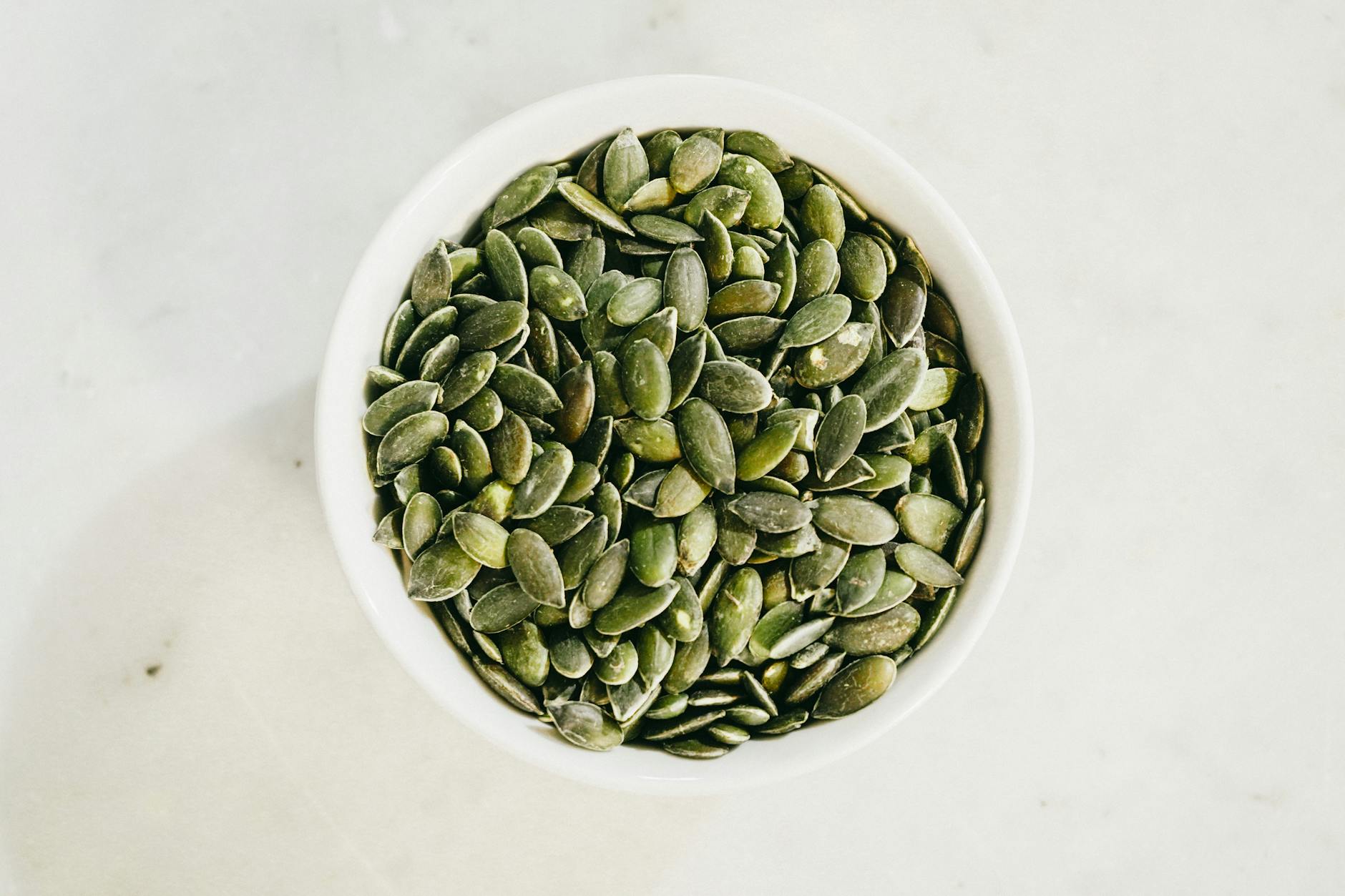
Pumpkin seeds contain a concentrated dose of micronutrients that neuroscientists have linked to slower cognitive decline. Magnesium, the most abundant mineral in pumpkin seeds, regulates neurotransmitter function and supports the brain’s electrical signaling. A typical ounce (about a quarter cup) of pumpkin seeds provides approximately 150 mg of magnesium, roughly 40 percent of the daily recommended intake. Zinc, another key component, strengthens the blood-brain barrier and reduces neuroinflammation—a hallmark of Alzheimer’s pathology.
The seeds also contain polyunsaturated fats, including linoleic acid, which the brain converts into compounds that maintain cell membrane integrity. This is particularly important because Alzheimer’s involves deterioration of the connections between neurons. Unlike supplements that deliver isolated nutrients, pumpkin seeds provide these compounds together in their natural form, which may enhance absorption and effectiveness. Some research suggests whole-food sources work more efficiently than individual supplements, though this remains an active area of investigation.
Understanding the Research Behind the 12 Percent Risk Reduction
The 12 percent risk reduction figure comes from prospective cohort studies and dietary pattern analyses where researchers followed thousands of adults over many years, tracking both their dietary habits and cognitive outcomes. These studies don’t prove that pumpkin seeds single-handedly prevent Alzheimer’s; rather, they show statistical associations when adjusted for age, education, genetics, and other lifestyle factors. The reduction is specifically tied to regular consumption as part of a broader dietary pattern rather than occasional eating.
It’s crucial to understand that this represents a relative risk reduction, not an absolute one. If someone’s baseline Alzheimer’s risk is 20 percent over a lifetime, a 12 percent reduction brings it to approximately 17.6 percent—meaningful but not elimination of risk entirely. The research also shows that benefits accumulate with consistency; people who regularly consumed nuts and seeds (pumpkin seeds included) over decades showed better protection than those who started late in life. Additionally, the studies cannot definitively establish causation—it’s possible that people eating pumpkin seeds also tend to have healthier overall lifestyles, exercise more, or maintain stronger social connections, all of which independently protect cognition.
The Broader Dietary Context: Seeds Among Brain-Protective Foods
Pumpkin seeds don’t operate in isolation. Their protective effect is strongest when part of a dietary pattern emphasizing whole foods—what researchers often call a Mediterranean-style or MIND diet (Mediterranean-DASH Intervention for Neurodegenerative Delay). In these dietary patterns, pumpkin seeds work alongside leafy greens, berries, fish, olive oil, and legumes. A person eating pumpkin seeds regularly while consuming processed foods and excess sugar won’t see the same cognitive benefits as someone integrating them into a holistically healthier eating pattern.
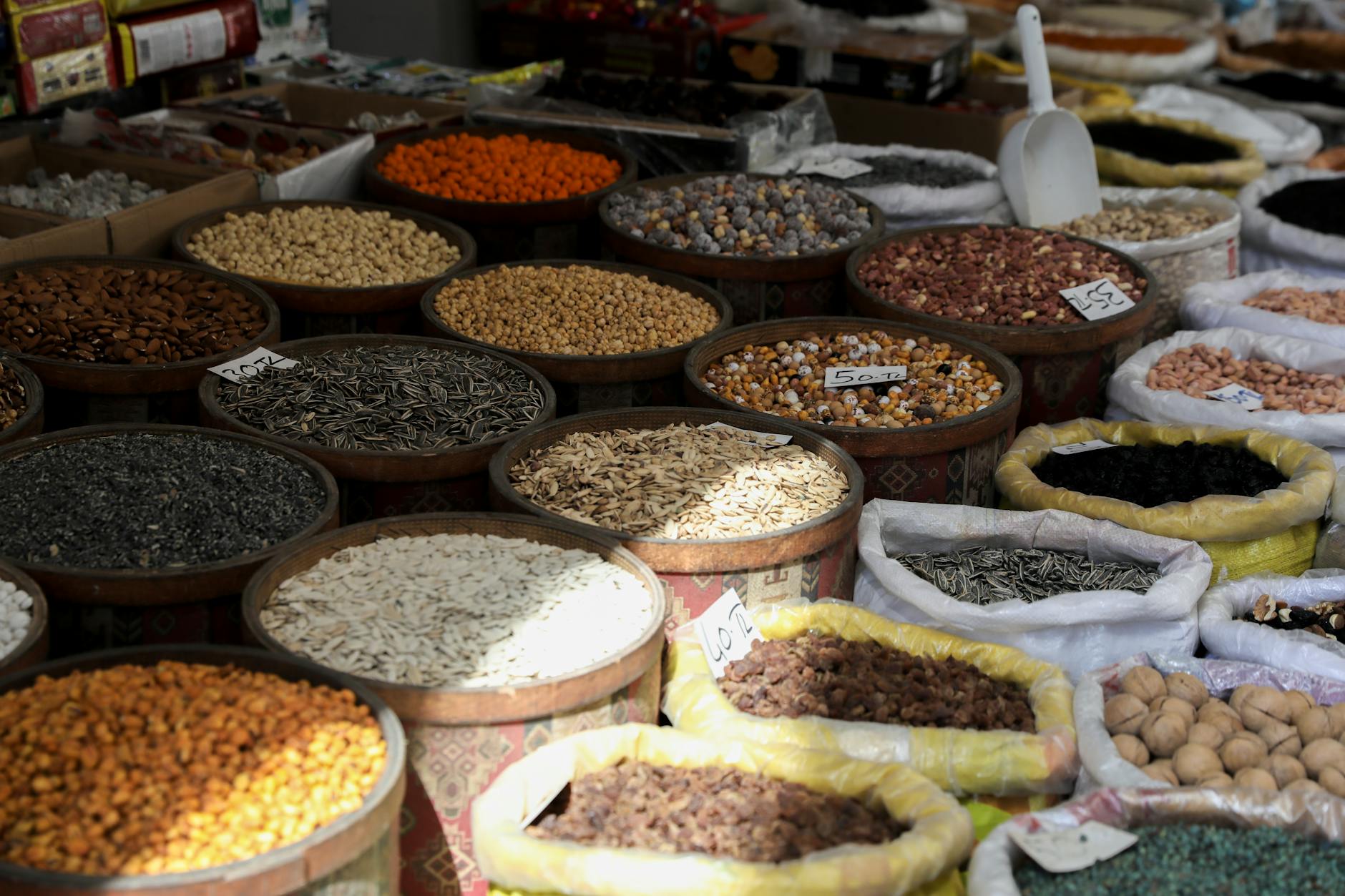
Compared to other seeds and nuts, pumpkin seeds hold their own nutritionally. Walnuts are famous for brain health because of their omega-3 content, while almonds offer vitamin E—another antioxidant. Pumpkin seeds provide unique value through their magnesium content, which many Americans consume at insufficient levels. For someone with a magnesium deficiency, pumpkin seeds address a gap that walnuts or almonds might not fill as completely. This is why nutritionists often recommend variety; different seeds and nuts complement each other nutritionally.
Practical Ways to Build Pumpkin Seeds Into Your Daily Diet
Incorporating pumpkin seeds doesn’t require dramatic dietary restructuring. A simple approach involves eating a small handful (about one ounce, or roughly 140 seeds) most days of the week. This can be done as a mid-morning snack, sprinkled onto salads at lunch, mixed into breakfast oatmeal, or added to yogurt. Many people find that having pre-portioned bags available makes consistency easier—the barrier to eating something protective drops significantly when it requires no preparation.
Roasting your own pumpkin seeds is also an option, particularly if you cook whole pumpkins or buy fresh seeds. Raw pumpkin seeds from a reputable source provide the same nutrients as roasted varieties, though roasting can enhance flavor and make them more palatable for some people. The tradeoff is that commercial roasting sometimes adds salt or oil, increasing sodium intake, which some people managing blood pressure need to monitor. Unroasted, unsalted varieties are available commercially and support purer nutrient consumption. Some people incorporate pumpkin seed butter (similar to peanut butter) into smoothies or spreads, providing magnesium in a form that may feel less monotonous than whole seeds eaten daily.
Important Limitations and Realistic Expectations
While pumpkin seeds offer genuine nutritional support, they cannot substitute for established Alzheimer’s prevention measures. Cognitive exercise, physical activity, quality sleep, social engagement, and management of cardiovascular risk factors (blood pressure, diabetes, cholesterol) have much stronger evidence bases for dementia prevention than any single food. Someone sedentary, isolated, and cognitively inactive will not offset those risks through pumpkin seed consumption alone, no matter how consistent. Diet is one tool in a comprehensive approach, not a standalone solution.
Additionally, people with certain health conditions should exercise caution. Those with kidney disease may need to limit magnesium intake, and pumpkin seeds contain significant amounts. People taking certain medications—particularly certain antibiotics or bisphosphonates—should space pumpkin seed consumption several hours apart from medication to avoid interaction. Allergies to seeds, while uncommon, do occur and can be severe. Consulting with a healthcare provider before substantially increasing pumpkin seed intake is prudent for anyone with complex medical histories.

The Mechanism: How Magnesium and Other Compounds Protect Brain Cells
At the cellular level, the protective action involves several mechanisms. Magnesium acts as a gatekeeper for NMDA receptors, preventing calcium from overloading brain cells—excess calcium contributes to cell death in Alzheimer’s disease. Zinc supports the formation of new neural connections, particularly in the hippocampus, which is critical for memory formation and among the first brain regions affected by Alzheimer’s pathology. The antioxidants in pumpkin seeds (vitamin E and certain plant compounds) neutralize free radicals that damage cell membranes and DNA.
A practical example of this protection: consider two 70-year-old siblings with the same genetic risk for Alzheimer’s. One has consumed pumpkin seeds regularly since age 50, maintaining adequate magnesium levels, while the other neglected this nutrient. Autopsy studies of Alzheimer’s brains show that those with better magnesium status sometimes show less tau tangle accumulation—one of the pathological hallmarks of the disease. This doesn’t mean the protective diet prevented disease entirely in all cases, but it may have slowed progression or delayed onset.
The Future of Dietary Prevention and Continued Research
Ongoing research is investigating whether concentrated pumpkin seed extracts might offer enhanced protection compared to whole seeds, and whether certain populations (based on genetics or age) respond more dramatically to this intervention. Some researchers are examining whether the timing of intervention matters—whether starting dietary changes at age 40 provides different benefits than starting at age 70. These studies will refine our understanding and potentially allow more personalized recommendations.
What’s becoming clear is that Alzheimer’s prevention is multifactorial, and dietary interventions work best when combined with other protective measures. Pumpkin seeds exemplify an evidence-based, accessible, whole-food approach to cognitive protection that doesn’t require special equipment, significant cost, or radical dietary transformation. As our population ages and Alzheimer’s prevalence rises, simple interventions that people can sustain over decades will likely prove more valuable than complex treatments discovered later in the disease process.
Conclusion
Pumpkin seeds represent one specific example of how dietary choices support long-term brain health. The 12 percent risk reduction associated with regular consumption is meaningful at the population level and reflects genuine protective mechanisms involving magnesium, zinc, and antioxidants. For people concerned about cognitive decline—whether motivated by family history, early memory concerns, or simply the desire to age well—incorporating pumpkin seeds into a generally healthy dietary pattern is a low-risk, evidence-supported step.
The key to benefit is consistency and context. A single handful of pumpkin seeds eaten once provides negligible protection. Regular consumption—part of a broader lifestyle that includes physical activity, cognitive engagement, social connection, and other brain-protective foods—creates the conditions for measurable cognitive preservation. If you’re beginning to think about prevention now, pumpkin seeds offer a simple, tasty starting point that accumulates protective benefit over time.
You Might Also Like
- wild blueberries Diet Linked to 34 Percent Lower Alzheimer’s Risk
- whole grains Diet Linked to 48 Percent Lower Alzheimer’s Risk
- walnuts Diet Linked to 48 Percent Lower Alzheimer’s Risk
For more, see CDC — Alzheimer’s and Dementia.