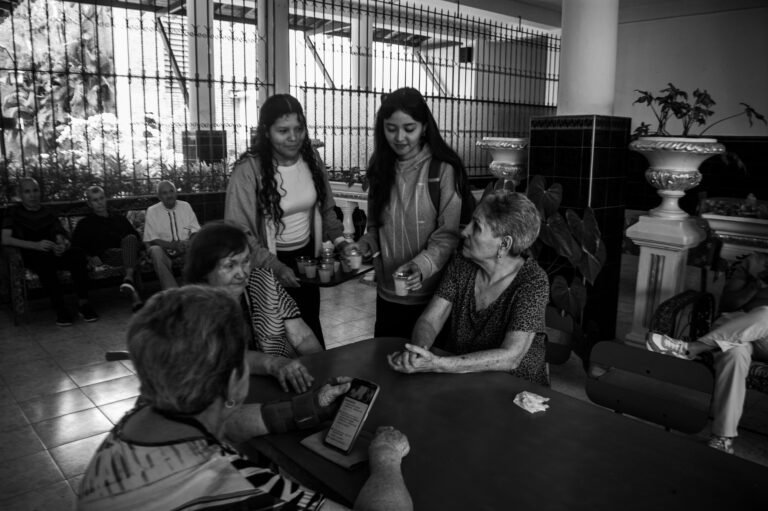
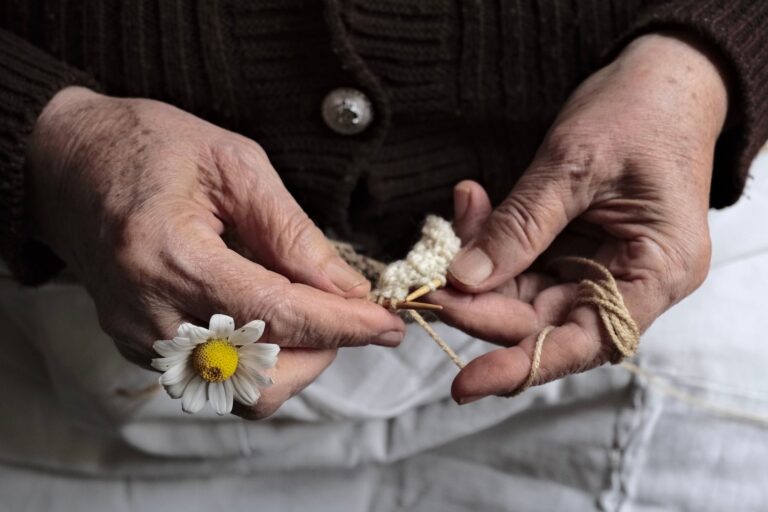
The best holiday visits for a person with dementia, a condition that affects memory and thinking, are small, brief, and familiar. Short visits with a few known people, one simple task, quiet music, and shared photos cause the least strain. Large crowds and noise can confuse and overwhelm. A calm plan built around rest, routine, and participation helps the person stay comfortable and enjoy company.
Medical information disclaimer: This article is for general educational purposes only and does not provide medical advice, diagnosis, or treatment. Always consult a physician or other qualified health professional about symptoms, medications, tests, or treatment decisions.
Table of Contents
- How small should the visit be?
- Which shared activities stay calm?
- How should the room look and feel?
- When should you pause or skip a plan?
How small should the visit be?
Invite a few familiar people at a time instead of hosting one large gathering. Stagger short visits across days so the person meets everyone without facing a crowd.
According to Hackensack Meridian Health, large crowds and noise can confuse and overwhelm a person with dementia, so smaller groups work better holiday tips from Hackensack Meridian Health. Keep each visit brief and watch for tiredness. End while the visit is still going well rather than pushing for more time.
Which shared activities stay calm?
Offer one simple, familiar job and focus on joining in, not the result. Stirring batter, decorating cookies, setting the table, handing up ornaments, or turning album pages all work. Prepare visitors with photos beforehand and use name tags at the door.
Then look at a photo album, memory book, or familiar stories together as a quiet joint activity, a calm approach recommended by Alzheimer's Texas holiday preparation guidance from Alzheimer's Texas. Play familiar holiday songs at low volume and sing or move along together. Researchers at George Mason University found about 20 minutes of music increased joy, eye contact, engagement, and talkativeness in people with dementia, as reported by the Alzheimer Society of Canada dementia-friendly holiday guidance from the Alzheimer Society of Canada.
How should the room look and feel?
Keep decorations simple and familiar. Avoid moved furniture, flashing or very bright lights, and fake fruit or other items that look like food. Set up a quiet nap space before guests arrive.
Use low light and familiar comforts such as a favorite blanket, chair, and sweater. Move the person there to rest if they grow agitated or withdrawn. Return to the group only if they seem settled and willing.
When should you pause or skip a plan?
Schedule visits at the person's best time of day. Protect meals, naps, and bedtime, and keep travel and plans simple.
Watch for these signs to pause: Tolerance varies from day to day. Fatigue or overstimulation means stopping is success, so be ready to skip an activity entirely.
- Increased restlessness, pacing, or irritability
- Withdrawal, closed eyes, or less response
- Repeated questions, calling out, or wanting to leave