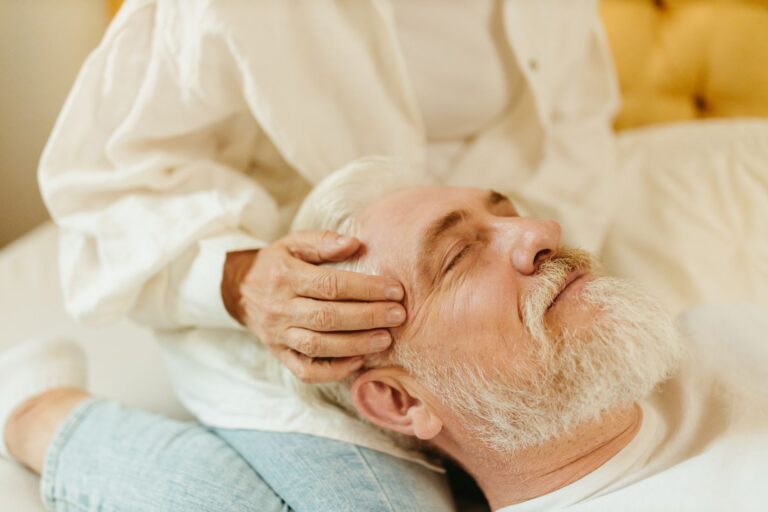
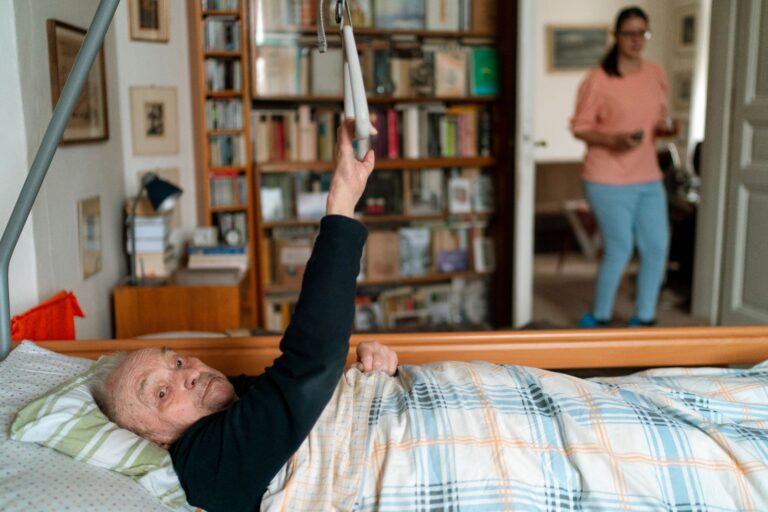
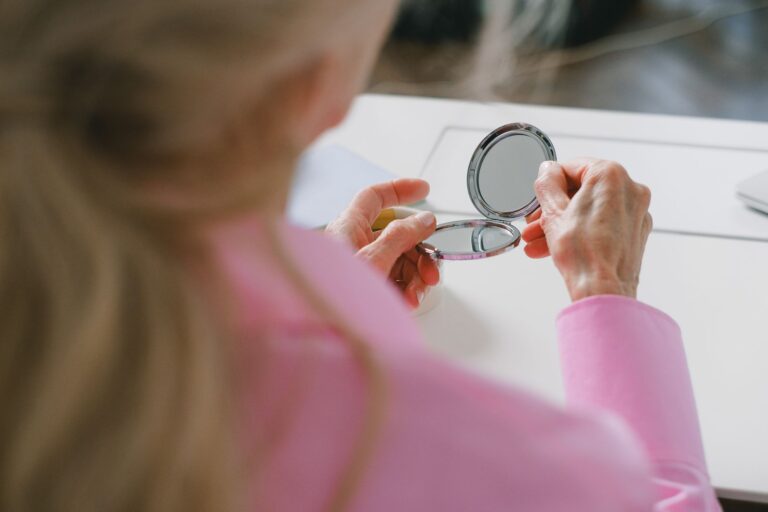
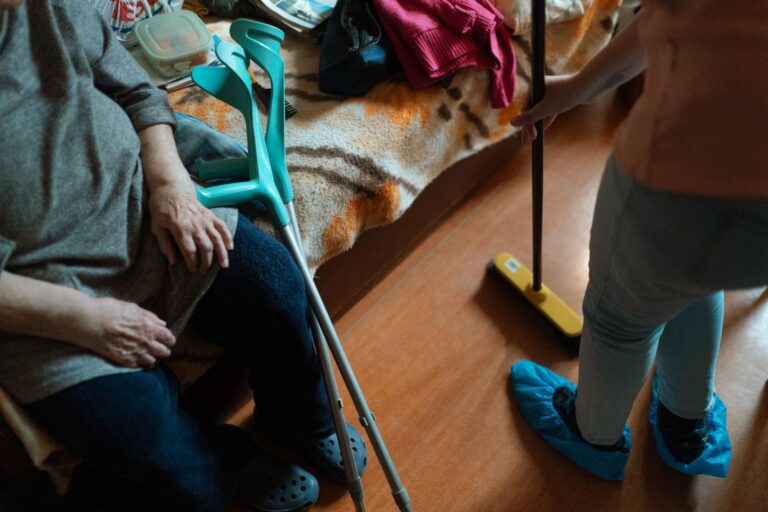
Holding a familiar piece of clothing—a favorite sweater, a worn jacket, a silk scarf—can help people with dementia feel calmer and more connected, even when words become difficult. This tactile approach works by activating sensory and emotional centers in the brain, creating moments of comfort and communication that bypass the memory loss that defines the disease. The practice draws on a body of research showing that everyday textiles and personal objects can reduce agitation, prompt storytelling, and reinforce a person's sense of self. Caregivers in homes and care settings increasingly use this strategy alongside other forms of engagement, recognizing that touch and texture offer a direct path to well-being when conversation alone is no longer reliable.
Medical information disclaimer: This article is for general educational purposes only and does not provide medical advice, diagnosis, or treatment. Always consult a physician or other qualified health professional about symptoms, medications, tests, or treatment decisions.
Table of Contents
- How Touch and Texture Create Connection
- What Research Shows About Outcomes
- Practical Ways to Use Clothing and Textiles
- What Research Does and Doesn't Yet Show
- Timing and Individual Variation
How Touch and Texture Create Connection
When a person with dementia holds a familiar object, they access parts of the brain that language and explicit memory may no longer reach. Tactile stimulation via familiar objects triggers the brain's emotional and motivational systems, lowering anxiety immediately and decreasing dysfunctional behavioral episodes, according to research in the American Journal of Alzheimer's Disease & Other Dementias.
Clothing and other textiles are especially potent because they carry both sensory and emotional weight. Handling familiar fabrics—satin, velvet, fur—and clothing from a person's past activates episodic memories and prompts storytelling, strengthening communication between person with dementia and caregivers, as Cambridge University's "Materialising Memories" study found. Even the physical sensation matters: holding a warm object like a familiar sweater creates mild tactile comfort that neurologically approximates the feeling of human connection—valuable when language and memory have declined.
What Research Shows About Outcomes
Research on object handling in dementia care has documented measurable improvements in mood and behavior. A 2022 Oxford Academic scoping review found statistically significant increases in well-being and mood following structured object handling—exploring, reflecting on, and responding to familiar items—in day centers and museums. These benefits appear to extend to emotional health: guided recall using familiar items like clothing decreases depressive and anxious symptoms, according to a meta-analysis cited in Alzheimer's Association guidelines.
Beyond mood, familiar possessions serve a deeper function. Familiar belongings maintain identity continuity and psychological well-being, evoking "productive nostalgia" that reinforces biographical identity—critical as cognitive abilities fade. For caregivers, this means that the practice does more than distract or soothe; it helps the person maintain a sense of who they are.
Practical Ways to Use Clothing and Textiles
Holding familiar clothing works best when it is accessible and chosen with intention. Gather pieces with personal significance—a favorite cardigan, a jacket from a cherished job, a silk tie, or a wedding dress—and keep them where the person can reach them during times of restlessness or emotional withdrawal. The approach is flexible: some people benefit from guided reminiscence, where a caregiver sits nearby and asks gentle questions about the garment's history.
Others prefer independent exploration; textiles with varied textures (buttons, zips, ribbons, embroidery) allow self-directed soothing behavior, calming agitation while avoiding the cognitive load of conversation or memory retrieval. A sensory cushion made from your loved one's old clothing, or a heat bag wrapped in a familiar scarf, can serve the same purpose. The key is meeting the person where they are—no forcing or instruction required.
What Research Does and Doesn't Yet Show
The evidence supporting object handling in dementia care is growing, but it has an important blind spot. Most research focuses on museum objects and heritage items, with few rigorous studies on everyday personal clothing or household textiles, limiting evidence for routine care application. This means that while the science points in a promising direction, fewer formal studies have tested this approach specifically in home settings with ordinary wardrobes.
What we do know from the available research applies most clearly to people in early-to-moderate dementia stages, where memory and communication are impaired but emotional responsiveness is still strong. The practice is low-cost and carries no medical risk, making it a reasonable addition to daily care even where formal evidence is thinner. However, effectiveness varies: not all individuals will respond equally to textiles, and some may prefer other forms of sensory input or engagement.
Timing and Individual Variation
Holding familiar clothing tends to be most helpful during times of agitation, anxiety, or withdrawal—moments when the person is struggling to connect or settle. Some people respond best in quiet moments, while others benefit from the practice during structured group activities or reminiscence sessions. Trial and observation matter more than rigid schedules.
Pay attention to sensory preferences: some people are soothed by soft, lightweight fabrics, while others prefer heavier textures or warmth. If a particular garment doesn't engage interest, try another. The practice is as much about honoring the person's individual responses as it is about the tactile input itself.