Track gardening for brain health by starting with one small bed or pot and logging date, task, minutes, and effort after each session. Review weekly totals against a 150-minute activity goal and keep the habit steady. Brain health means memory, thinking, and ability to handle daily tasks. A slow start makes effort visible without strain, soreness, or missed sessions hiding progress.
Medical information disclaimer: This article is for general educational purposes only and does not provide medical advice, diagnosis, or treatment. Always consult a physician or other qualified health professional about symptoms, medications, tests, or treatment decisions.
Table of Contents
- What does a slow start look like?
- What should you write down each time?
- How do you know gardening is adding up?
- What does the evidence show, and where does it stop?
What does a slow start look like?
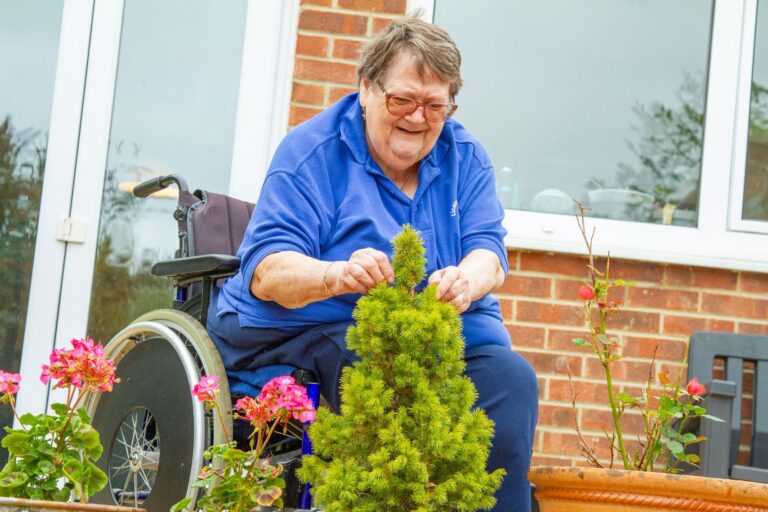
Virginia Cooperative Extension advises beginners to start small and build on successes, such as container herbs or one small sunny bed. The Virginia Cooperative Extension guidance points to 6-8 hours of sun, soil testing, and raised beds for quick success.
Pick a spot near water and tools. Work 10-15 minutes at first, then add time only if soreness fades by next day. Stop and adjust if pain, dizziness, or short breath occur.
What should you write down each time?
The Alzheimer's Association recommends an exercise tracker and habit-builder plan for slow starts. Texas Health and Human Services training lists what an activity log should hold. It calls for date, activity type including gardening, duration, and notes such as soreness or effort, per this activity-log guidance.
Keep entries short so logging takes less than a minute. One line per session shows pattern faster than memory. Review the log each Sunday. Add five minutes to one session when the prior week felt easy.
- date and start time
- garden task, such as digging, raking, or potting
- minutes and effort level
- soreness, sleep, or mood note
How do you know gardening is adding up?
CDC guidance counts gardening and yard tasks such as raking, mowing, digging, and light garden work as moderate-intensity aerobic and muscle-strengthening activity. That CDC guidance applies the tasks toward 150 minutes weekly plus strengthening on 2 days. Add minutes across the week, not per day. Three 20-minute weedings plus one 30-minute dig equals 90 minutes.
Two such weeks build toward goal without long sessions. If totals stall, change the task mix rather than time. Swap light watering for raking or digging twice weekly. Muscle work plus aerobic minutes keeps progress clear.
What does the evidence show, and where does it stop?
In 467 Edinburgh-area adults followed from age 11 to 90, frequent or occasional gardeners showed greater lifetime cognitive improvement than never or rare gardeners. The University of Edinburgh report notes the advantage persisted through decline from ages 79 to 90, after accounting for education, ability, health, and activity.
The observational design cannot prove gardening directly caused the benefit. Use gardening as one part of movement, food, thinking, and health habits, not a solo shield. Keep medical visits, sleep, and safety steps steady while the log grows.