Build a dementia prevention routine by starting with brief, light garden tasks several days per week, then add time slowly. Garden work counts as physical activity that supports movement, strength, and daily routine. A dementia prevention routine is a set of steady habits that address modifiable risk factors like inactivity and isolation. Gardening fits because it combines movement with time outdoors and often social contact.
Medical information disclaimer: This article is for general educational purposes only and does not provide medical advice, diagnosis, or treatment. Always consult a physician or other qualified health professional about symptoms, medications, tests, or treatment decisions.
Table of Contents
- What does the research link to gardening?
- How can you start slowly?
- What should a weekly routine include?
- How can older gardeners stay safe outdoors?
What does the research link to gardening?
Public Health journal followed 8,676 Chinese adults with median age 86 for 4.31 years. Regular garden work was linked to 28% lower adjusted dementia risk than no garden work, as reported in its national cohort study. This group was very old, so findings speak most directly to late-life activity. Nutrition Journal studied 136,748 U.S.
adults age 45 and older. Gardeners had 28% lower odds of subjective cognitive decline and 43% lower odds of decline-related limits than non-exercisers, in its gardening and cognition analysis. Subjective cognitive decline means self-noticed memory problems. These are observational links, not proof that gardening alone prevents dementia.
How can you start slowly?
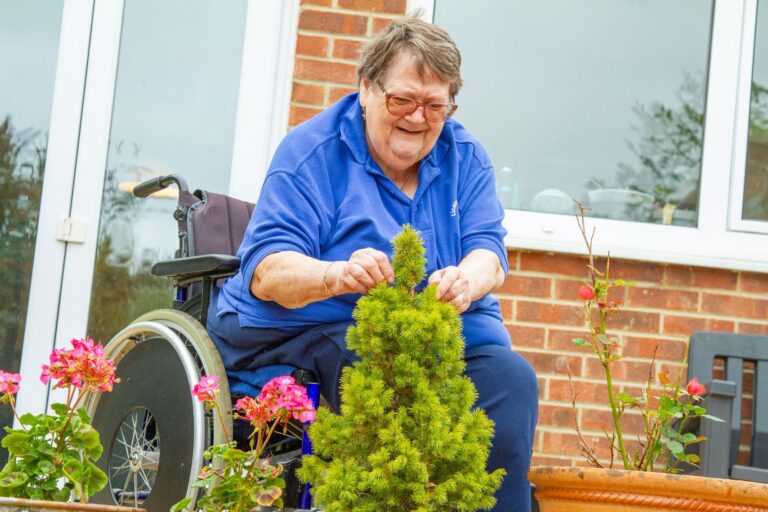
Begin with 10 to 15 minutes of light tasks like watering, weeding, or planting pots. Stop before fatigue and repeat on two or three days in the first week.
The Alzheimer Society of Canada points to small starts like short walks, gentle stretching, or light gardening. Add a little time, variety, or company each week: Track what you did and how you felt after. Keep the routine easy enough to repeat next week.
- Add five to ten minutes to one session when recovery feels easy
- Mix sitting tasks with standing tasks like raking or carrying a light can
- Invite a neighbor, friend, or family member for one session
- Keep tools, gloves, and a stool in one spot to lower friction
What should a weekly routine include?
Use gardening as one part of exercise, vascular care, sleep, and social habits. Blood pressure control, diabetes care, mood support, and contact with others also matter for brain health. A garden can anchor several habits at once. The CDC notes that digging counts as activity for adults 65 and older, and gardening can combine activity types, in its what counts for older adults.
Pair garden days with short walks on off days. Add simple strength moves like squats from a chair, lifting pots, or pushing a wheelbarrow. A realistic week could be two light garden sessions, two short walks, and one social garden visit. Keep sessions short at first, then extend the easiest one. Consistency matters more than long single sessions.
How can older gardeners stay safe outdoors?
Work early or late to avoid strong heat. The Alabama Cooperative Extension advises working before 10 a.m. or after 4 p.m., wearing a wide-brimmed hat, and keeping water handy, in its summer gardening safety tips for older adults.
Older adults may feel less thirst and regulate temperature less well. Choose shade, gloves, stable footing, and sun protection. Use raised beds or containers to reduce bending and lifting. Keep water within reach and move to shade if you feel hot, dizzy, or unusually tired.