Regular garden work is linked to lower dementia risk, and a slow start is the safest way to build the habit. Dementia is a lasting loss of memory and thinking skills that disrupts daily life.
Studies track thousands of gardeners and non-gardeners over years. Results favor gardeners, but gardening habits overlap with other healthy habits. The sections below separate what helps, what remains uncertain, and how to begin safely.
Medical information disclaimer: This article is for general educational purposes only and does not provide medical advice, diagnosis, or treatment. Always consult a physician or other qualified health professional about symptoms, medications, tests, or treatment decisions.
Table of Contents
- What do studies link gardening to?
- Why gardening alone cannot prove prevention
- How much movement counts?
- How to start slowly and stay with it?
What do studies link gardening to?
Researchers followed 8,676 older adults in China for 4.31 years median follow-up. Median age was 86, and 633 people developed new dementia. Regular or almost-daily garden work linked to 28% lower incident dementia, reports the JoVE summary of the Chinese cohort study JoVE summary of the Chinese cohort study. The hazard ratio was 0.72 (95% CI 0.57-0.93), where below 1.0 means lower risk. A U.S. study included 136,748 adults age 45 and older.
Gardeners had lower adjusted odds of subjective cognitive decline, meaning self-noticed worsening memory or thinking. They also had lower odds of daily-function limits tied to that decline, according to the Nutrition Journal study described in its PubMed record of the U.S. gardening study. Odds were 0.72 for decline and 0.57 for functional limits versus non-exercisers. Broader exercise data point the same way. Alzheimer's Society UK says regular exercisers may be up to 20% less likely to develop dementia, with sustained midlife activity showing the strongest link. WHO recommends regular physical activity for adults with normal cognition to reduce decline risk, with a strong recommendation based on moderate certainty.
Why gardening alone cannot prove prevention
Gardening studies are observational, so they cannot prove prevention. People who garden often differ from people who do not. Those differences alone can explain part of the link. Frontiers in Aging Neuroscience notes gardeners differ in energy use, depression, diet, and social activity. One mechanistic study tested only 12 young men experimentally and 161 older adults at one time point.
Small or snapshot designs cannot show cause and effect. The U.S. POINTER trial took a combined approach in 2,111 adults ages 60 to 79 at elevated risk. Programs paired exercise with MIND diet, brain training, social activity, and vascular monitoring for about two years. Cognition improved, and structured programs beat self-guided effort, reports the Alzheimer's Association.
How much movement counts?
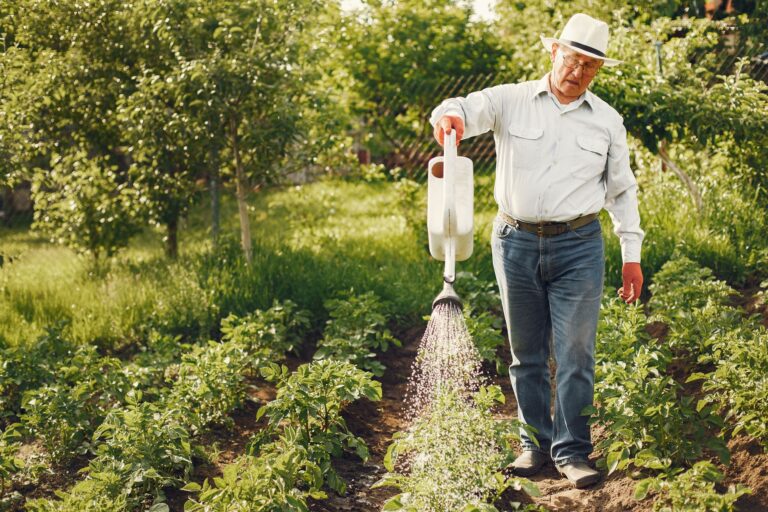
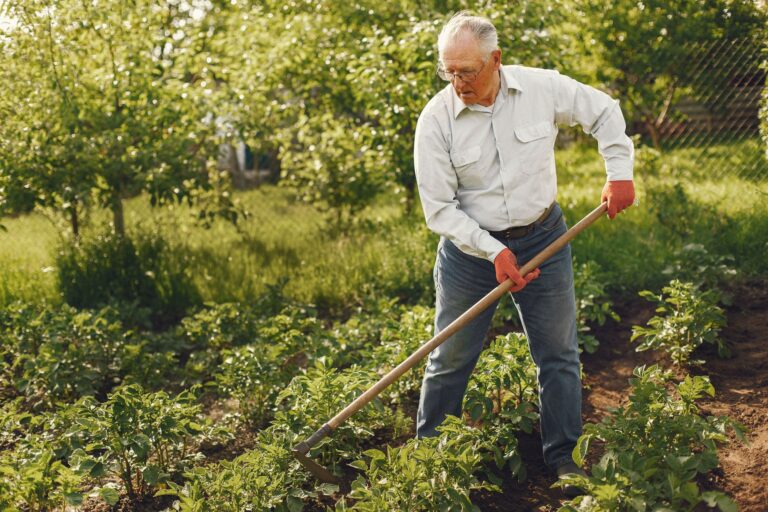
Adults 65 and older need at least 150 minutes per week of moderate aerobic activity. They also need muscle-strengthening on two or more days plus balance work. Yard work counts as moderate activity, says the CDC in its CDC older-adult activity guidance. Digging or shoveling counts as vigorous activity.
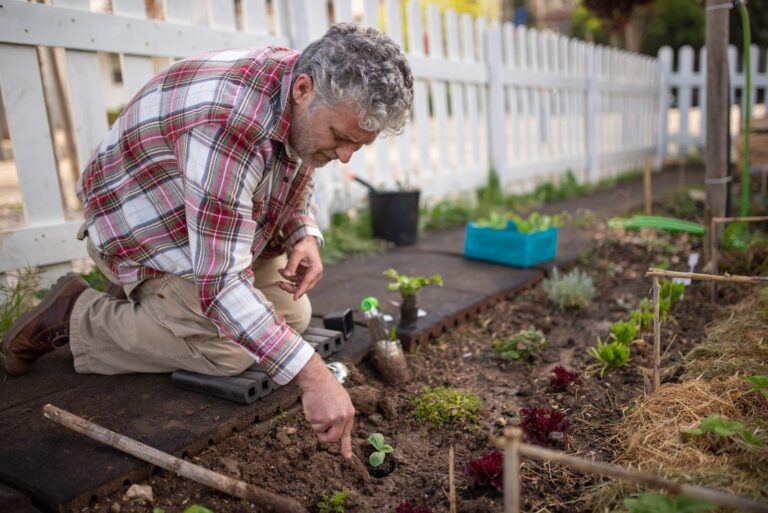
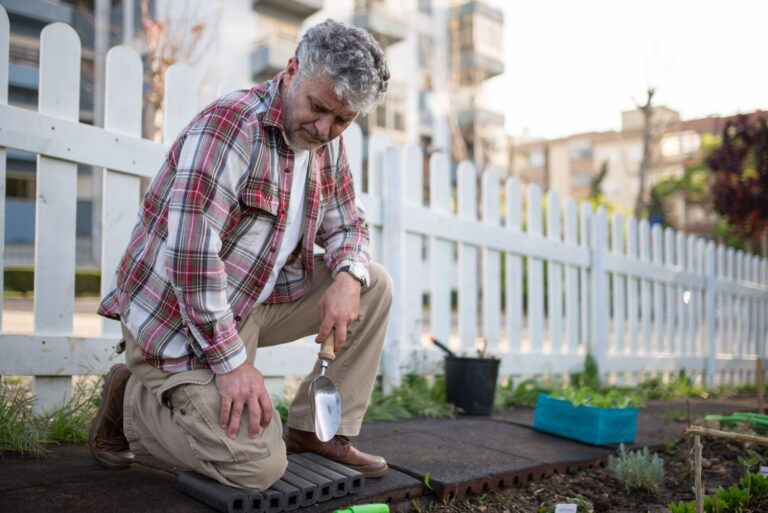
That makes gardening a practical way to collect weekly minutes. For example, five 30-minute weeding, raking, or planting sessions reach 150 minutes. Add two short sessions of lifting, carrying soil, squats, or heel stands for strength and balance. Reserve harder digging for short bursts after fitness improves.
How to start slowly and stay with it?
Start from current fitness and add time gradually. Short garden bouts lower injury risk and make quitting less likely.
The National Institute on Aging advises this slow-build approach in its National Institute on Aging guide to starting exercise. It also urges shade and heat caution plus added strength and balance work. Stop, cool down, and seek help at the first sign of dizziness, unusual shortness of breath, or chest discomfort.
- Begin with 10-15 minute bouts, then add a few minutes each week.
- Work in shade or cooler hours and drink water often.
- Pair gardening with strength and balance moves twice weekly.
- Use raised beds, light tools, gloves, and a sun hat.