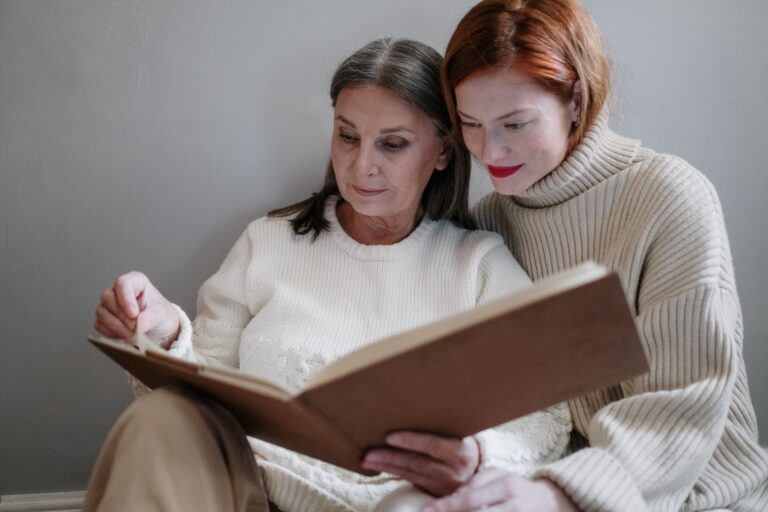
Finding a parent's handwritten note during Alzheimer's progression can anchor memory and emotion when other cognitive functions have faded. The handwriting itself—distinct and familiar—triggers recognition longer than many other memory types, while the multiple sensory cues of a physical letter (texture, scent, distinctive handwriting) engage emotional pathways that remain intact even as the disease progresses.
Handwritten communication from a parent offers more than nostalgia. Research shows that people with Alzheimer's retain emotional memory for significant events and relationships despite cognitive decline, meaning the feeling of connection to a parent's message can persist and bring repeated comfort. This makes handwritten notes from parents uniquely valuable in dementia care.
Medical information disclaimer: This article is for general educational purposes only and does not provide medical advice, diagnosis, or treatment. Always consult a physician or other qualified health professional about symptoms, medications, tests, or treatment decisions.
Table of Contents
- How Handwriting Persists When Memory Fades
- The Emotional Memory That Remains
- Therapeutic Benefits for Both Patient and Caregiver
- When This Matters Most
- Frequently Asked Questions
How Handwriting Persists When Memory Fades
Unlike facts, names, or recent events, a parent's distinctive handwriting can trigger recognition even when other memories fade, according to research published in Frontiers in Neurology. The unique loops, slant, and flourishes that make handwriting distinctive activate different neural pathways than semantic or episodic memory—the systems damaged earliest in Alzheimer's.
A handwritten letter engages multiple sensory pathways—the texture of paper, distinctive handwriting, and even scent—that digital communications cannot replicate, anchoring emotional memory for people with dementia. This multisensory experience creates stronger neural connections than reading the same message on a screen. The familiar feel of a parent's handwriting, held in your hands, activates memory networks that would otherwise remain dormant.
The Emotional Memory That Remains
Even when someone with Alzheimer's forgets facts, faces, or yesterday's conversation, they often retain emotional memory for significant events and relationships. This means a parent's handwritten message—carrying emotional weight—can feel meaningful and resonant each time it's encountered, regardless of whether the person remembers the specific circumstances or event the letter references.
This emotional persistence is why a single handwritten letter read multiple times per day to someone with dementia can feel new with each reading, bringing repeated comfort and joy. The person may not consciously remember reading it before, but the emotional warmth registers each time.
Therapeutic Benefits for Both Patient and Caregiver
Using a parent's handwritten notes as part of reminiscence therapy (reviewing personal correspondence and meaningful items from the past) offers documented benefits. Reminiscence therapy reduces agitation, depression, and anxiety while strengthening the emotional bond between patients and caregivers. When caregivers use personal correspondence in life review therapy—guided conversations about past experiences and relationships—depression in people with dementia improves and caregivers gain deeper understanding of behavioral patterns and identity.
A parent's handwritten note becomes a conversation starter, a window into the person's values, and a touchstone for connection when language or memory becomes difficult. Additionally, memory notebooks containing written communications reduced anger and agitation while improving caregivers' understanding of residents' needs and emotions. Keeping a parent's letters accessible—in a memory book or near the person's living space—can reduce behavioral distress and provide a practical tool for daily care.
When This Matters Most
The early stage of Alzheimer's disease is when meaningful engagement with past correspondence and memories is most optimal. At this point, the person can still understand context, reflect on relationships, and express how the correspondence affects them. Early engagement also helps establish the handwritten note as an important touchstone before memory decline advances.
However, this doesn't mean handwritten notes lose value in later stages. Personal written materials from loved ones help people with dementia maintain sense of self and dignity while reducing isolation, providing meaningful topics for caregivers to discuss during daily interaction. Even if the person cannot recall the letter's origin or context, the comfort it provides remains real.
Frequently Asked Questions
Will my parent remember the handwritten note if they have advanced Alzheimer's?
Memory of the note's origin or context may fade, but the emotional warmth often remains. The note can be read repeatedly—each time feeling fresh—and still provide comfort and a connection point during care.
Should I frame a handwritten note or keep it in a memory book?
Both approaches work; the choice depends on your parent's environment and daily routine. Memory books allow regular review and easier handling, while framed notes in living spaces provide constant visual connection. The key is accessibility and caregivers' ability to incorporate the note into conversations.
How can handwritten notes help if my parent stopped recognizing me?
The note provides emotional and sensory anchoring—the familiar handwriting, texture, and scent engage memory pathways distinct from name or face recognition. It also gives caregivers a conversation starter and can reduce agitation during challenging moments.