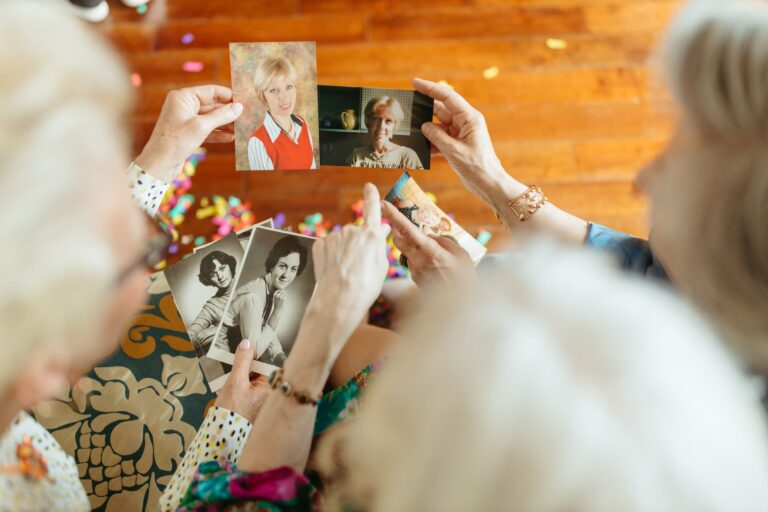
As dementia progresses, spoken language fades—but connection does not have to. Non-verbal communication becomes the primary way people with dementia understand emotion, express feeling, and experience presence, even when they can no longer speak or comprehend words. Creating space for connection means learning to communicate through gesture, touch, music, and facial expression, and recognizing that these channels remain active and meaningful throughout the disease.
The evidence shows this is not sentimental guesswork. Non-verbal communication pathways stay accessible in even late-stage disease, according to the Alzheimer's Society, and caregivers trained in systematic non-verbal approaches see measurable improvements in agitation, depression, and overall wellbeing. The challenge is that most families receive unvalidated guidance: only 61 percent of dementia communication strategies on public websites are evidence-based.
Medical information disclaimer: This article is for general educational purposes only and does not provide medical advice, diagnosis, or treatment. Always consult a physician or other qualified health professional about symptoms, medications, tests, or treatment decisions.
Table of Contents
- How Connection Survives Language Loss
- Specific Techniques That Work
- Impact on Behavior and Wellbeing
- Why Technique Alone Is Not Enough
- Music, Rhythm, and Sensory Engagement
- Frequently Asked Questions
How Connection Survives Language Loss
When someone with advanced dementia can no longer follow your words, responsiveness to gesture, touch, and facial expression remains intact. Music activates neural pathways that bypass damaged speech centers, allowing individuals who cannot speak to sing complete verses of familiar songs—a demonstration that memory, emotional engagement, and the ability to share meaning persist even as language disappears, according to research in Music Therapy Perspectives.
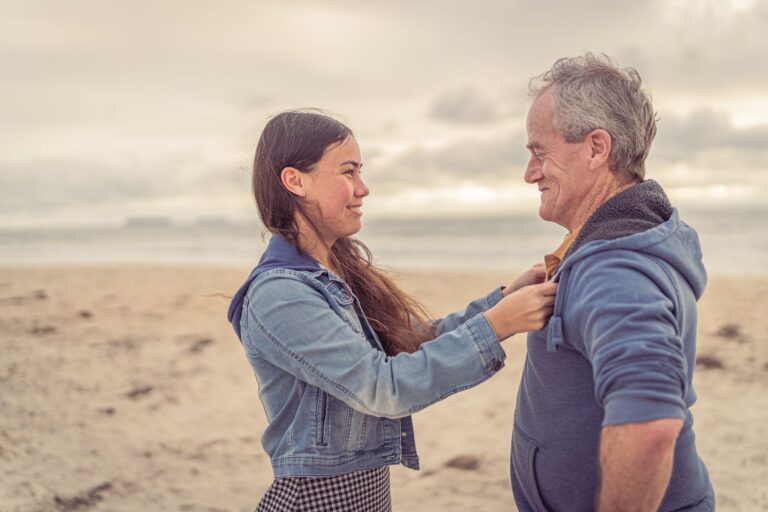
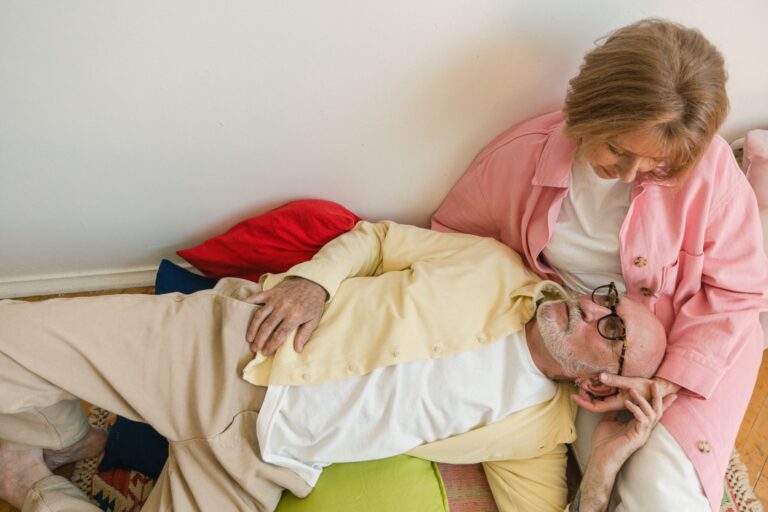
Physical touch and hand-holding convey comfort and emotion directly, reaching emotional centers even when verbal comprehension is severely impaired, according to Connecticut Hospice. A warm hand on an arm, a gentle touch on the shoulder, or prolonged hand-holding communicates presence and safety in ways words cannot.
Specific Techniques That Work
Effective non-verbal communication follows a clear pattern. Maintain open body posture, position yourself at eye level, and use slow, deliberate gestures while mirroring the emotional tone in your facial expressions and tone of voice. Adjust your pace to match theirs; rush communicates anxiety, while stillness communicates calm.
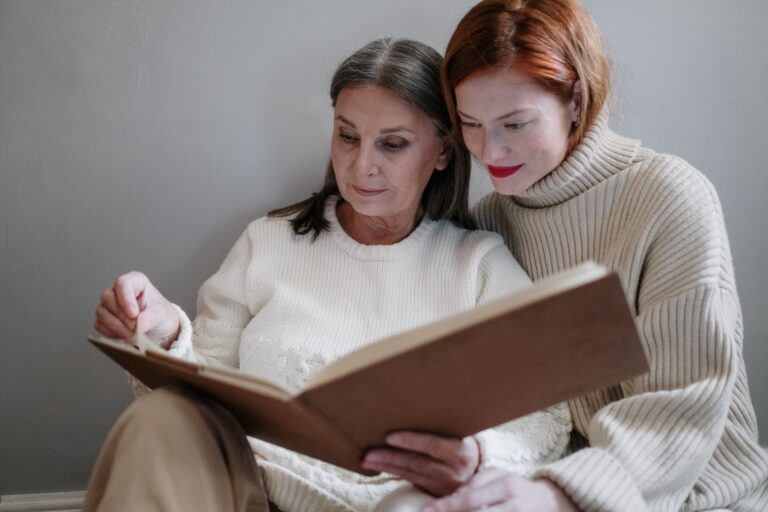
Use shorter phrases paired with gesture—"Let's walk" while gesturing toward the door works better than explanation. Pay attention to what draws engagement: a familiar object, a photograph, a particular piece of music. Notice their sounds and facial expressions, and respond to them as communication, not as symptoms to ignore.
Impact on Behavior and Wellbeing
Poor non-verbal communication correlates independently with increased agitation, depression, behavioral symptoms, and caregiver strain. Strengthening how you communicate nonverbally has measurable effects on both the person with dementia and the caregiver.
Training caregivers in person-centered communication strategies reduced agitation by 30 percent in care facilities, with benefits sustained for six months, according to research published in Age and Ageing. This improvement matters because agitation and behavioral symptoms often reflect unmet needs or distress that the person cannot express in words. When you learn to read and respond to non-verbal cues, you address the underlying discomfort rather than managing the behavior after it escalates.
Why Technique Alone Is Not Enough
Communication effectiveness depends on more than caregiver technique. It requires organizational support, environmental design, and understanding of the individual's personal history, preferences, and what brings them joy. A caregiver skilled in gestures and touch will see better results in a calm, familiar environment than in a noisy, institutional one.
Know the person—their favorite music, their pets, the people and places they loved. Use this knowledge to connect through what still matters to them. Isolated technique training has limited impact without this person-specific context and systemic support.
Music, Rhythm, and Sensory Engagement
Music and rhythm activities activate multiple sensory channels and deep memory, prompting engagement even when language is absent and reducing anxiety by influencing neurochemical systems that regulate mood, according to Music Therapy Works. Singing, drumming, or simply listening to familiar songs engages parts of the brain that language loss has not damaged. You do not need formal training to use music.
Play the songs they loved at different points in their life. Notice whether rhythm and movement—even gentle swaying or tapping—increase alertness or calm. These activities work because they bypass the language centers altogether and activate memory and emotion directly.
Frequently Asked Questions
What if the person with dementia seems unresponsive to these approaches?
Responsiveness varies by individual and by stage of disease. Some people show response through subtle shifts in facial expression, a slight hand squeeze, or a moment of eye contact rather than obvious engagement. Responsiveness may also depend on timing, environment, and whether you are connecting around something personally meaningful to them. If responses remain unclear, person-centered care training and input from their care team can help you interpret signs you may not recognize as communication.
Is there evidence that non-verbal communication works, or is this just comforting theory?
The evidence is documented and specific. Training caregivers in these approaches has reduced agitation by measurable percentages and shown sustained benefits. Music activates preserved neural pathways. Touch reaches emotional centers that language does not. The science is there—what varies is how each individual responds and whether the environment supports sustained, person-centered practice.
Can family members do this, or does it require professional training?
Family members can absolutely do this. Knowing the person, maintaining calm body language, using touch, and playing meaningful music require no credential—only attention and consistency. Professional caregiver training strengthens technique and confidence, but the foundation is presence and responsiveness, which families already understand.