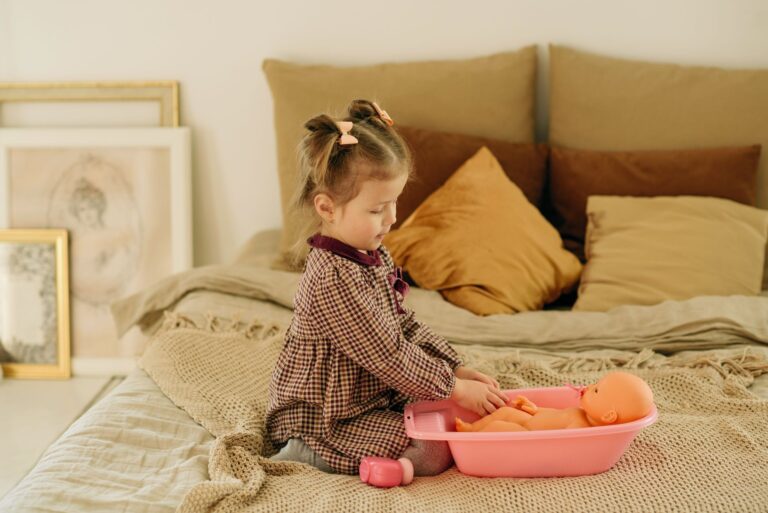
Doll therapy uses soft, realistic dolls to provide comfort and engagement for people with dementia, particularly in middle to late stages of the disease. The person holds, cuddles, and interacts with the doll at their own pace, which research shows can reduce agitation, wandering, and behavioral distress while improving mood and communication skills. For one-on-one care, doll therapy requires careful setup—selecting a safe, hypoallergenic doll with no choking hazards, introducing it gradually without pressure, and training anyone involved not to correct the person if they believe the doll is real. This approach works because it meets the person where they are emotionally and cognitively, rather than challenging their perceptions.
Medical information disclaimer: This article is for general educational purposes only and does not provide medical advice, diagnosis, or treatment. Always consult a physician or other qualified health professional about symptoms, medications, tests, or treatment decisions.
Table of Contents
- What Doll Therapy Does and Who It Helps
- Choosing a Therapy Doll and Safe Materials
- How to Introduce and Use Doll Therapy
- Safety, Monitoring, and When to Stop
- Frequently Asked Questions
What Doll Therapy Does and Who It Helps
Doll therapy in dementia care involves person-centered interaction—holding, cuddling, dressing, feeding, and talking to a realistic doll—to address the emotional and behavioral symptoms that often emerge in middle to late-stage dementia. A randomized controlled trial found that 93% of caregivers reported decreased irritability and wandering, along with improved attitude and communication skills. Research also documents statistically significant reductions in aggression, obsessive behaviors, negative verbalization, and negative mood.
Doll therapy is not suitable for everyone. It works because it provides the person with a tactile, comforting object to nurture—something that may resonate with their past experience as a parent, family member, or caregiver. This emotional anchor can be powerful when other interventions lose their effectiveness, since the person is engaging through feeling rather than logic or memory.
Choosing a Therapy Doll and Safe Materials
A therapy doll for one-on-one care must meet strict safety requirements. According to Healthline guidance, the doll should be made from non-toxic, hypoallergenic, easily cleanable materials with no small parts that pose choking hazards, a neutral or smiling facial expression, and removable, washable clothing. Soft fabric dolls designed for dementia care are preferable to rigid or detailed dolls, since they're easier to handle, more comforting to hold, and simpler to clean if needed.
Beyond the primary doll, care guidelines recommend purchasing a duplicate in case the original gets lost, damaged, or requires washing. Some people become deeply attached to a specific doll, and having a backup prevents distress or gaps in their routine. If you choose multiple dolls, they should be very similar so the person recognizes them as the same companion.
How to Introduce and Use Doll Therapy
Introduce the doll gradually and without forcing engagement. Place the doll nearby and allow the person to decide how to interact at their own pace—they may pick it up immediately, take days to warm to it, or show interest only at certain times of day. Respond to their lead rather than directing their play. Talk naturally as they interact.
If they speak to the doll or narrate what they're doing, listen and engage with their story. Never correct someone who believes the doll is real, as this causes distress. Instead, support their version of events: if they say they're caring for their child, affirm what they're doing. These moments can bridge current interaction to past family experiences and emotional meaning.
Safety, Monitoring, and When to Stop
Protect the doll from misuse by informing all care staff and household members that it's important to the person and should not be taken away, used elsewhere, or mishandled. Store it in a consistent, accessible place so the person can find it when they want it.
If doll therapy causes emotional distress or the person shows no interest after a reasonable trial period, discontinue use. Effectiveness depends on individual receptiveness rather than universal suitability. Watch for signs of anxiety, aggression, or confusion, and be ready to pause or stop if the doll is not providing comfort.
Frequently Asked Questions
Can doll therapy be used at home, or is it only for facilities?
Doll therapy works in both settings. Home care may actually be better suited to one-on-one introduction and use, since the person can interact at their own pace without institutional stimulation.
What if my loved one becomes too attached to the doll and refuses to do other activities?
This is uncommon, but if it happens, limit access to specific times of day or gradually introduce other activities alongside the doll. You can also rotate in the backup doll to vary the experience.
Is doll therapy recommended by dementia specialists?
Doll therapy is supported by research and endorsed by Dementia UK and documented in NIH studies as an evidence-based non-pharmacologic intervention, though it works better for some people than others.