Yes, sensory toys can support brain health during winter isolation when used with other people. They cannot prevent dementia or replace social contact, movement, daylight, and medical care.
Sensory toys are handheld objects that engage touch, sight, and sound. Examples include wooden puzzles, textured balls, stacking blocks, and clay. Winter isolation means fewer visits, shorter days, and more time indoors.
Medical information disclaimer: This article is for general educational purposes only and does not provide medical advice, diagnosis, or treatment. Always consult a physician or other qualified health professional about symptoms, medications, tests, or treatment decisions.
Table of Contents
- What the wooden-toy trial found
- Why touch input matters with age
- Why winter raises risk for isolated brains
- What sensory toys cannot do
- How to use sensory toys this winter
What the wooden-toy trial found
In 76 older adults with mild cognitive impairment, wooden-toy training raised average cognitive scores from 13.11 to 16.29 and eased depressive symptoms, PLOS ONE reports in the PLOS ONE trial report. Mild cognitive impairment means clear thinking changes that do not yet block daily life. Participants also felt more competent and socially connected after hands-on sessions. The PubMed record of the 2024 trial links tactile play to mood as well as thinking.
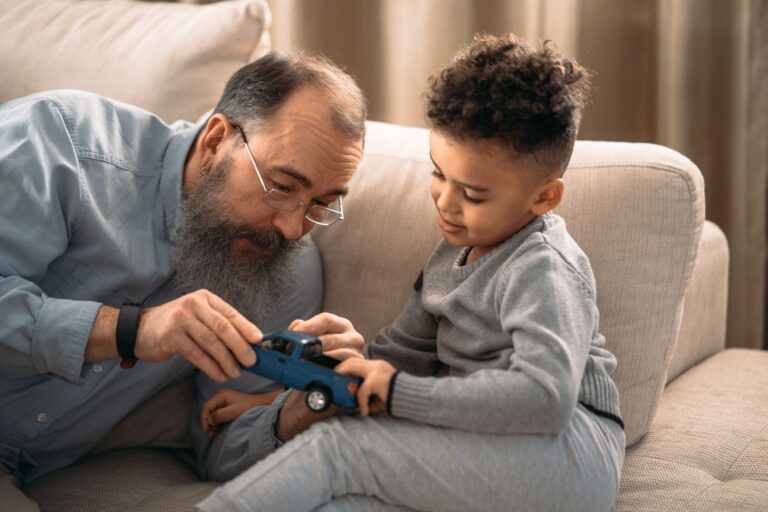
The tested pattern was guided practice, not solo squeezing. For readers, the lesson is hands plus people. Sorting, fitting, building, and talking kept minds active. Brief solo use between television shows is a different habit.
Why touch input matters with age
Touch runs through the touch cortex, the brain strip that maps skin signals. Its middle and upper layers often stay stable or thicken with age, likely preserved by frequent sensory stimulation, DZNE researchers report in the Neuroscience News report.
Use keeps that pathway busy. Winter cuts input when errands, visits, and outings drop. A familiar puzzle, beads for sorting, or soft clay can restore daily hand work.
Why winter raises risk for isolated brains
Loneliness and social isolation in older adults are tied to poorer thinking and higher dementia risk, the National Institute on Aging warns. An NIA-funded analysis of over 600,000 people found loneliness raised dementia risk by about 31%, Alzheimers.gov reports in the large-scale analysis summary.
Winter-pattern seasonal affective disorder adds low mood, oversleeping, overeating, low energy, and withdrawal for about 4-5 months yearly, the National Institute of Mental Health reports. Low light and withdrawal shrink contact, movement, and mental challenge at once. That triple loss is why winter routines need active repair.
What sensory toys cannot do
Evidence for fidget tools improving focus is unreliable, with most studies showing no clear benefit, Johns Hopkins Medicine reviewers note in the Biomedical Odyssey review. Calm or engagement in the moment does not equal stronger memory.
Treat toys as one small tool. They cannot replace conversation, physical activity, daylight routines, sleep care, or dementia care. Seek clinical advice for lasting low mood, sleep change, or worsening memory.
How to use sensory toys this winter
Make play social and hands-on. The American Academy of Pediatrics advises the best toys prompt caregiver-child play, pretending, and interaction, not solo screen play.
The same rule fits older adults and care partners. Keep sessions short, seated, and supervised for vision, grip, and choking limits. Store two or three sets in reach and rotate them to hold interest.
- Pick large, easy-grip pieces with varied texture, weight, and color.
- Play together at a table twice weekly, with talk and turn-taking.
- Narrate choices, ask for sorting reasons, and celebrate finished shapes.
- Pair play with a walk, daylight, a call, or a shared meal.