What Is New With Toys for Dementia Care in August 2026? Latest FDA, NIH, WHO, and CMS sources and Key Takeaways

Learn what agencies actually updated—and how to assess dementia toys for safe engagement, credible claims, and payment limits.
Learn what agencies actually updated—and how to assess dementia toys for safe engagement, credible claims, and payment limits.

Learn what 2026 evidence says about robotic pets, realistic benefits, person-led selection, and essential safety checks.

Why careful hand-feeding often serves comfort and dignity better than a feeding tube for a loved one with advanced dementia.
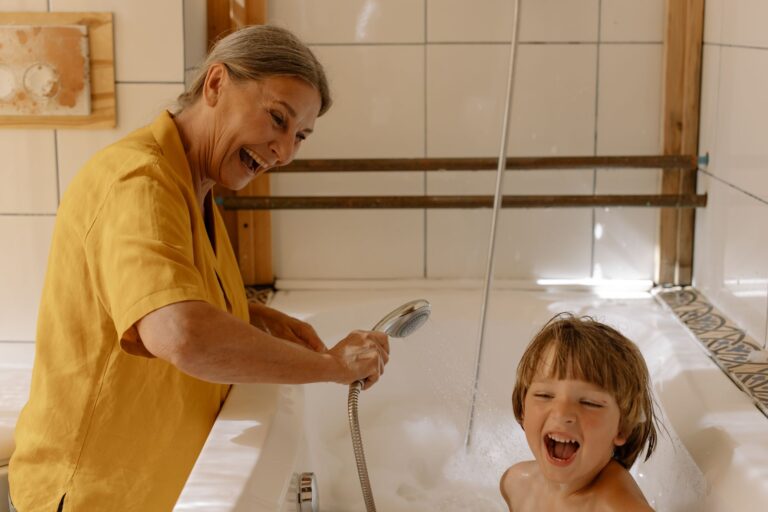
For advanced dementia, the safest bathing choice depends on individual abilities, not a universal standard—but showers carry serious fall risks that bed baths eliminate.

Bed baths offer better safety and comfort for people with advanced dementia than traditional showers, reducing falls, agitation, and caregiver strain while preserving dignity and control.

Emerging research suggests GLP-1 drugs used for diabetes and weight loss may also protect the aging brain from dementia.

Comfort objects work best when they match each person's sensory preferences and carry real personal meaning.

Soft toys can soothe anxiety and restlessness for some dementia patients by meeting tactile and emotional needs that words alone cannot.

Discoveries about brain cell behavior are revealing how Alzheimer's progresses and opening doors to new drug strategies.

Stricter EPA air standards may reduce dementia risk, but proof of cognitive benefit lags far behind implementation timelines.
HelpDementia.com
Dementia, Alzheimer's, Caregiving & Healthy Aging Guidance
© 2026 HelpDementia.com. All rights reserved.
Educational information only. It is not medical advice and does not replace care from a qualified clinician.