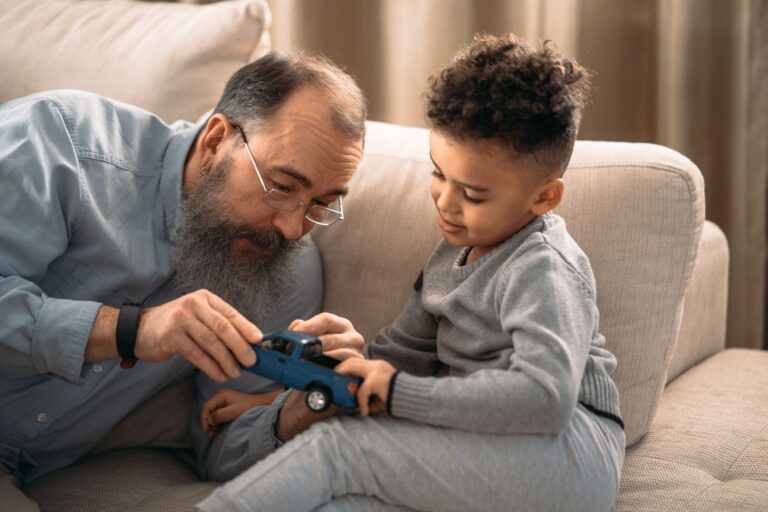
Safe holiday toys for someone with cognitive decline are sturdy, simple items with large pieces and no small detachable parts. They work best when they match the person's current stage and invite comfort, senses, or time together. Dementia means a lasting decline in memory, thinking, and daily function. The Alzheimer Society of Durham Region advises tailoring gift complexity to early, middle, or late disease rather than giving one-size-fits-all toys in its holiday gift ideas.
Medical information disclaimer: This article is for general educational purposes only and does not provide medical advice, diagnosis, or treatment. Always consult a physician or other qualified health professional about symptoms, medications, tests, or treatment decisions.
Table of Contents
- How do needs change by stage?
- Which activity toys encourage time together?
- When do dolls and robotic pets help?
- How do you check a toy is safe?
- What low-hassle gifts support daily life?
How do needs change by stage?
Early decline often allows more active play. Simple puzzles, reminiscence story kits, large-print cards, and activity books offer gentle mental stimulation and conversation. Familiar nature, music, or hobby themes help start talk.
Middle and late stages often call for simpler sensory comfort. Soft textures, music, and familiar photos replace games with rules. Watch what the person reaches for, then choose easier or calmer items next time.
Which activity toys encourage time together?
Play the game with the person, not beside them. The U.S. National Institute on Aging advises doing favorite-music listening, singing or simple instruments, painting or drawing, and playing a simple board or card game together, as republished by VirginiaNavigator.
Pick large-print cards, short games, and art supplies with easy grips. Nature scenes, old songs, and hobby topics prompt stories. Stop if the person looks tired or frustrated, and keep the visit warm.
When do dolls and robotic pets help?
Soft therapy dolls and lifelike robotic pets can offer comfort, companionship, reduced anxiety, and nurturing engagement for some people with later-stage dementia. They suit someone who likes holding, stroking, or caring for something.
A 2024 Queen's University Belfast scoping review of 12 studies found doll therapy in care homes was most consistently linked to fewer behavioral and psychological symptoms of dementia, plus better communication and less caregiver distress, reported in Nursing Reports. Effects vary by person. Introduce the doll or pet calmly and let the person decide.
How do you check a toy is safe?
Choose sturdy, non-toxic toys with large easy-to-handle pieces. The U.S.
Consumer Product Safety Commission warns that small parts can fully block airways and that toys for under-3s face a small-parts ban in its toys safety center. Fidget muffs, sensory blankets, textured art kits, and busy boards with zippers or buttons give soothing tactile stimulation that can calm restlessness. Keep hands purposefully engaged, and remove items that cause mouthing or pulling apart.
- Pick large pieces with no loose eyes, buttons, or batteries.
- Follow package age guidance and use for under-3s as a safety screen.
- Avoid sharp edges, long cords, and breakable parts.
- Try the toy together first and remove anything that comes apart.
What low-hassle gifts support daily life?
Some of the safest gifts are not toys. Digital frames preloaded with family photos and day-date-time clocks with reminders support recognition, orientation, and shared connection. They have no small parts or complex rules.
Load names, dates, and photos before wrapping. Set the clock display large and clear. Sit together to look, name faces, and share one memory at a time.