Dementia cognitive rehabilitation is a goal-oriented approach that helps people with dementia manage everyday tasks and maintain independence by using practical strategies adapted to their changing abilities—it does not aim to restore lost memory or thinking skills. According to PLOS Medicine research, cognitive rehabilitation focuses on helping individuals perform functional activities more independently, such as managing medications, preparing meals, or using household technology. The goal-setting process itself is structured and measurable, helping both the person with dementia and their caregivers track progress and stay focused on what matters most. Choosing the right daily-life goal starts with understanding what your loved one actually wants to do more independently and applying a framework that makes the goal achievable and trackable over time.
Medical information disclaimer: This article is for general educational purposes only and does not provide medical advice, diagnosis, or treatment. Always consult a physician or other qualified health professional about symptoms, medications, tests, or treatment decisions.
Table of Contents
- What Makes a Goal Work?
- What Kinds of Goals Work Best?
- How Rehabilitation Works Toward the Goal
- Evidence That Goals Actually Make a Difference
- Goals Change as Dementia Progresses
- Frequently Asked Questions
What Makes a Goal Work?
Effective goals in dementia care follow the SMART framework—specific, measurable, achievable, relevant, and time-bound—with clinicians and family members helping the person identify meaningful activities they truly want to perform independently. A vague goal like "get better at managing finances" becomes concrete when reframed as "successfully write and mail a monthly bill check with verbal reminders twice weekly over eight weeks." Goal Attainment Scaling (GAS), a five-point measurement scale, allows people with dementia to visualize progress from much worse (−2) to much better than expected (+2), which is especially valuable because it overcomes the recall barriers that cognitive impairment creates—the person sees a clear marker of improvement even when they cannot remember the previous week. This visual confirmation builds confidence and keeps motivation steady.
What Kinds of Goals Work Best?
Practical daily-life goals fall into distinct categories that matter for real independence. Basic activities include grooming and feeding; instrumental activities include medication management, meal preparation, and finances; and others target communication, social interaction, memory tasks, and leisure pursuits.
The strongest goals are ones that align with the person's actual daily routine—if someone does not cook, "prepare a three-ingredient breakfast" is more relevant than "plan a weekly menu." Consider starting with whichever activity would most improve your loved one's autonomy and quality of life. A person who forgets to take blood pressure medication might prioritize that over a leisure goal, while someone with stable health but social withdrawal might choose "make a weekly phone call to a friend without prompting" instead.
How Rehabilitation Works Toward the Goal
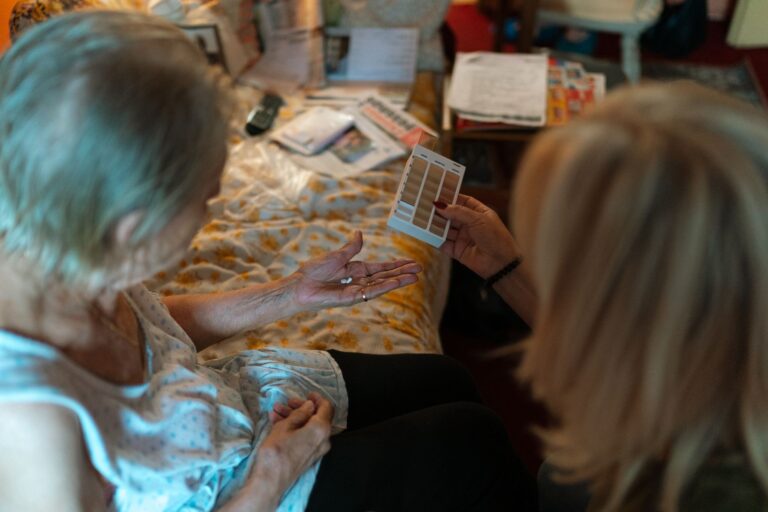
Cognitive rehabilitation uses compensatory and adaptive strategies tailored to each person, such as memory techniques, environment modifications, errorless learning, and activity sequencing that work around cognitive deficits rather than trying to restore lost thinking skills. For example, if a person struggles to remember medication times, the strategy might be a pill organizer placed next to their morning coffee, a phone alarm, or a written checklist—tools that require no memory, only habit.
These programs deliver the best results when they are home-based (tailored to the actual environment), involve trained clinicians, include family caregivers, and provide adequate dose and duration. One-session interventions rarely stick; sustained practice in the real setting, with gentle reminders and adjustments over weeks or months, produces lasting changes.
Evidence That Goals Actually Make a Difference
Research shows that people with dementia who received goal-oriented cognitive rehabilitation achieved their everyday goals significantly more successfully than those receiving standard care, with meta-analysis demonstrating meaningful improvements in instrumental daily living performance. This is not about memory improvement—it is about real-world capability in the activities people want to do.
Beyond function, goal attainment positively impacts psychological well-being, helping people with dementia feel more confident and in control by providing focus and achieving tangible improvements in valued activities. Reaching even small goals builds sense of accomplishment that standard care alone does not provide.
Goals Change as Dementia Progresses
The right goal today may not be the right goal in six months. Early-stage priorities focus on preserving current daily living abilities and independence, while later-stage goals may shift toward maintaining quality of life, comfort, and social connection as cognitive decline advances.
A goal that felt important at diagnosis—say, managing household finances—might become less relevant as cognitive changes deepen, and a new goal—such as enjoying structured time with family—might matter more. Reassess goals seasonally with your care team, letting the person's actual capabilities and preferences guide the shift rather than assuming earlier priorities must stay fixed.
Frequently Asked Questions
Do I need a professional to help set goals?
Non-clinical staff can be trained to set individualized, holistic goals with people with dementia, making goal-setting feasible in resource-limited settings when proper training is provided. A family member can follow the SMART framework with support from your care provider; professional involvement strengthens the plan but is not always required.
What if my loved one refuses to set goals?
Start smaller—ask what they wish they could do independently, rather than framing it as a formal goal-setting session. A casual conversation about activities they miss often reveals genuine priorities that you can then structure into achievable steps.
How long does it take to see results?
Most goal-oriented programs show measurable progress over 8–12 weeks with consistent practice, though some gains appear sooner and some take longer depending on the goal, the person's stage of dementia, and the strategy used.