Remembering the Family Home: Finding Hope During Alzheimer’s Progression

Learn what memories of home can mean, how to reminisce without testing, and when safety should come first.
Learn what memories of home can mean, how to reminisce without testing, and when safety should come first.

Learn what song recall can—and cannot—mean in Alzheimer's, plus a low-pressure way to use familiar music for connection.

Learn what a familiar nickname may mean in Alzheimer's and how to invite connection without testing someone's memory.
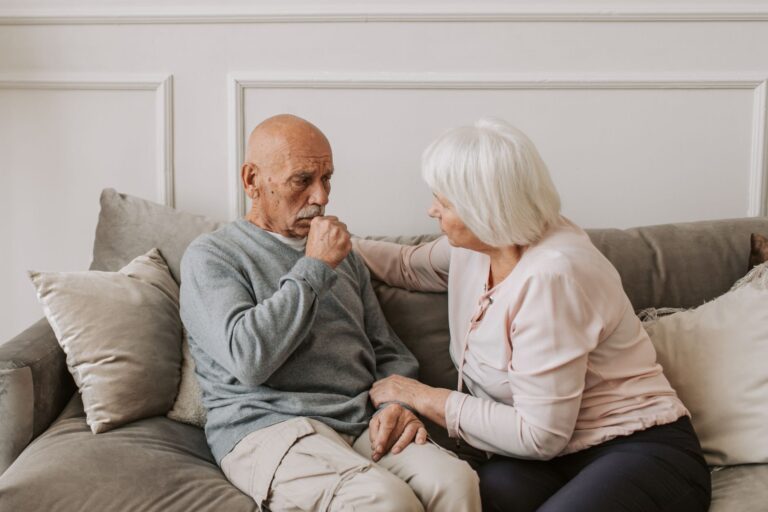
Learn what a lucid moment may mean, what it cannot predict, and how to respond without placing pressure on your loved one.

Learn what a returned name may mean, how to support communication, and where treatment hope has firm limits.

It is neuroscience.

Hearing a mother's favorite saying can access emotional memory and voice recognition pathways that persist even as factual recognition fades, providing genuine connection in late-stage Alzheimer's.

Smell reaches Alzheimer's memory centers through a preserved neural pathway, but olfactory decline in dementia limits what patients can detect.
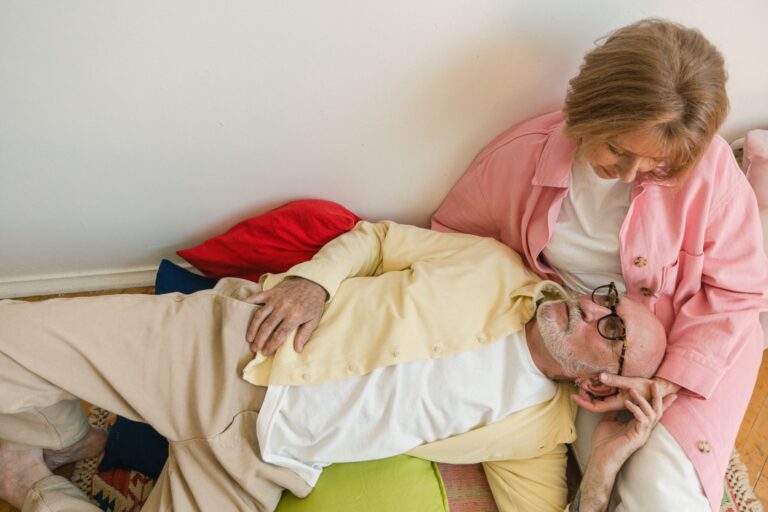
Familiar clothing activates multiple memory systems in Alzheimer's patients, providing comfort through touch and emotional association even as factual memory fades.

Family storytelling reduces anxiety and isolation in Alzheimer's while strengthening caregiver mental health.
HelpDementia.com
Dementia, Alzheimer's, Caregiving & Healthy Aging Guidance
© 2026 HelpDementia.com. All rights reserved.
Educational information only. It is not medical advice and does not replace care from a qualified clinician.