Neuro-Peak for Memory Loss: What the Formula Can and Cannot Prove

See how Neuro-Peak's label, ginkgo research, safety limits, and supplement status affect a memory-loss decision.
See how Neuro-Peak's label, ginkgo research, safety limits, and supplement status affect a memory-loss decision.
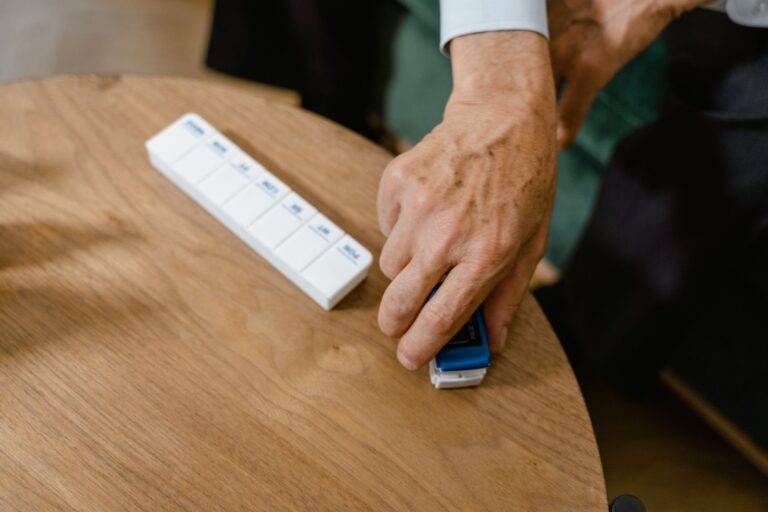
Learn how to use the USP seal as a quality screen while checking memory evidence, interactions, and personal safety separately.

Learn what vision-adapted dementia tests preserve, where scores can mislead, and which questions to ask before testing.

Prepare for a fair cognitive screen with a hearing check, quiet room, working aids, and an appropriate test format.

Understand the evidence, its limits, and what to check before combining turmeric supplements with daily aspirin.
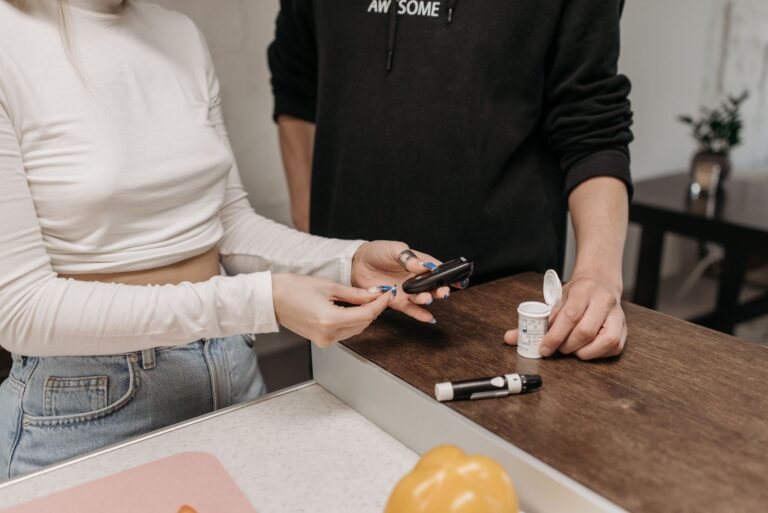
Learn how to assess turmeric products, diabetes medicines, and medication oversight when memory loss complicates care.

Use the USP seal to judge supplement quality while checking memory claims, interactions, and lot details separately.
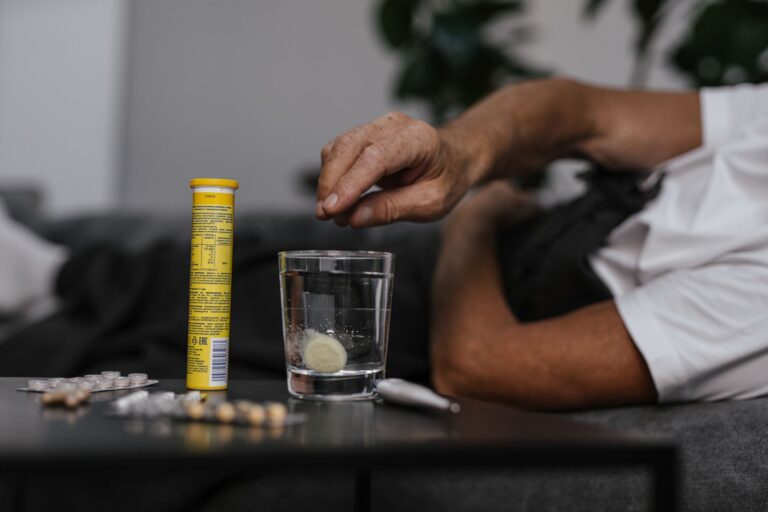
Learn which aspirin users need extra caution and what caregivers should bring to a turmeric supplement review.

Learn what the evidence shows, when hearing symptoms need prompt care, and which questions can clarify treatment.
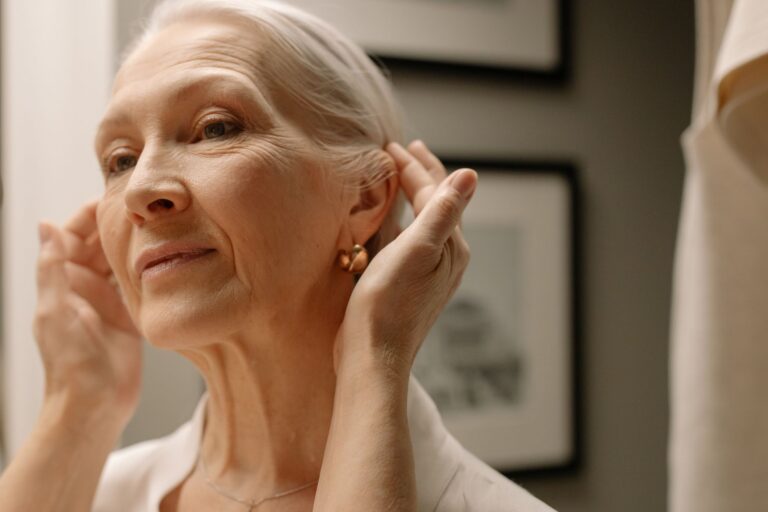
Learn how to interpret dementia-risk studies, hearing-aid evidence, and the next step for suspected hearing loss.
HelpDementia.com
Dementia, Alzheimer's, Caregiving & Healthy Aging Guidance
© 2026 HelpDementia.com. All rights reserved.
Educational information only. It is not medical advice and does not replace care from a qualified clinician.