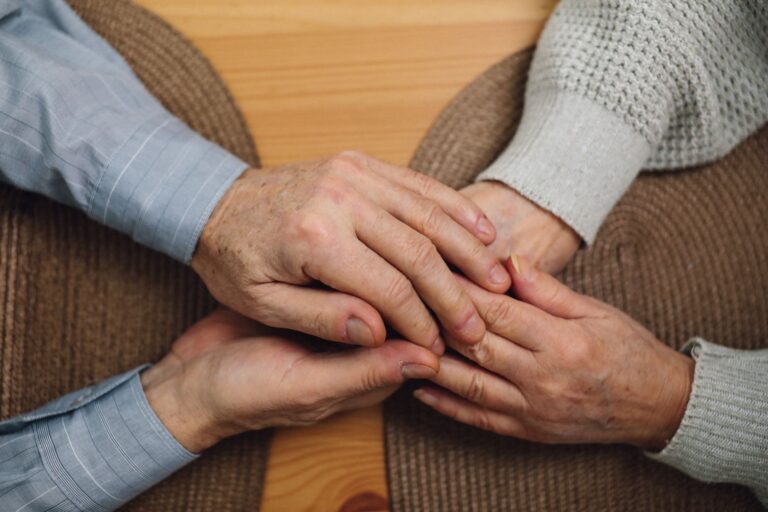
A person with Alzheimer's remembering a childhood nickname can inspire hope, but it does not mean the disease has stopped progressing. The event implied by this title is not verified: the closest documented story describes a granddaughter repeating an old nickname to her grandmother, not the grandmother recalling it. Even so, familiar names can create meaningful moments of recognition or comfort. Their value lies in connection, not in proving how much memory remains.
Medical information disclaimer: This article is for general educational purposes only and does not provide medical advice, diagnosis, or treatment. Always consult a physician or other qualified health professional about symptoms, medications, tests, or treatment decisions.
Table of Contents
- What the documented story actually says
- What can an old nickname reveal?
- How should caregivers use familiar names?
- When reminiscence helps—and when to let it go
- Holding hope without mistaking it for a cure
What the documented story actually says
In an Alzheimer's Association account, Helen had called her granddaughter Lauren "moe chupe," meaning "my girl," during Lauren's childhood. After Helen received an early-Alzheimer's diagnosis, Lauren repeated the phrase to her. The account does not say Helen independently remembered the nickname.
That distinction matters because a familiar phrase may prompt warmth or recognition without showing that someone can retrieve the underlying memory. This does not diminish the moment. A response can still express comfort, affection, or familiarity even when its exact source is unclear.
What can an old nickname reveal?
Alzheimer's progressively damages brain cells. As the disease advances, a person may forget relationships, fail to recognize relatives, or call someone by another name. Older memories sometimes remain accessible after recent memories become difficult.
The Alzheimer's Association guidance on reminiscence explains that regions involved in short-term memory are affected early, while long-ago memories may remain available longer. That pattern is a tendency, not a reliable test. remembering a childhood nickname cannot establish that memory is preserved generally, and forgetting it does not show that every associated feeling has disappeared.
How should caregivers use familiar names?
use the name as an invitation rather than a quiz. The goal is shared comfort, not a correct answer.
Alzheimer's can interfere with word-finding, naming, and logical speech. A person may recognize a nickname yet be unable to explain it, or may respond differently from one day to another.
- Say the nickname naturally and watch for signs of ease or interest.
- Pair it with a familiar photograph, song, keepsake, or place.
- Offer a simple memory instead of asking, "Do you remember?"
- Allow silence and give the person time to respond.
- Stop or change course if the memory creates distress or confusion.
When reminiscence helps—and when to let it go
Person-centred care draws on the individual's history, interests, abilities, and preferences alongside clinical needs. A childhood name may support engagement and self-esteem when the person likes hearing it. Follow the person's lead.
If a nickname feels unfamiliar, unwanted, or upsetting, use their preferred current name instead. Familiarity should never override present comfort. Structured reminiscence therapy has promising but limited evidence. A 2018 Cochrane review found small, inconsistent benefits that varied by setting and format, without a consistent overall improvement in quality of life.
Holding hope without mistaking it for a cure
Hope can come from a moment of connection, better daily support, or an informed treatment discussion. None requires treating a recalled nickname as evidence that Alzheimer's has reversed.
For people with confirmed amyloid pathology and early Alzheimer's—mild cognitive impairment or mild dementia—donanemab can slow clinical decline compared with placebo. According to the FDA approval notice, it is not a cure and carries a boxed warning about potentially serious brain swelling or bleeding. A familiar name may open a door to connection; whether the person answers, smiles, or remains silent, let their comfort determine what happens next.