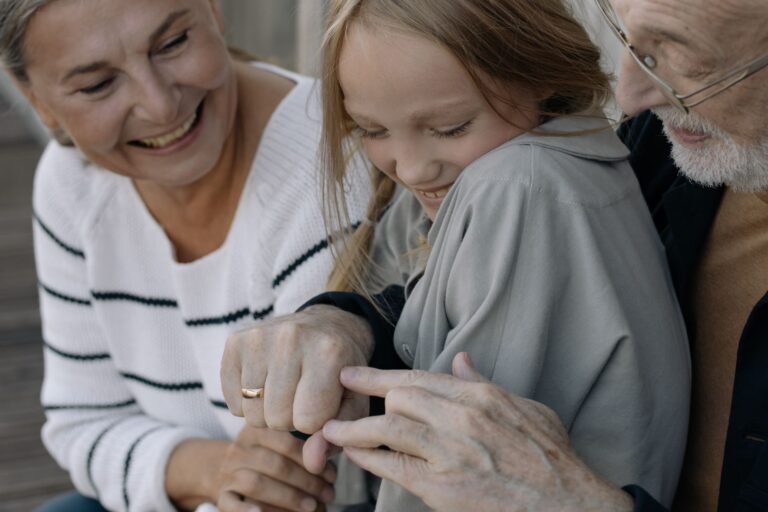
Remembering the family home can bring comfort and connection during Alzheimer's progression, but it is not a predictable milestone or proof that the disease has slowed. Long-ago memories may remain accessible after short-term memory weakens, yet familiar places and faces can also become difficult to recognize. A remembered home may represent a real place, an earlier period of life, or a feeling of safety. Families can treat these moments as opportunities for connection while adjusting expectations and protecting the person from avoidable risk.
Medical information disclaimer: This article is for general educational purposes only and does not provide medical advice, diagnosis, or treatment. Always consult a physician or other qualified health professional about symptoms, medications, tests, or treatment decisions.
Table of Contents
- What Does Remembering Home Mean?
- How to Encourage Memories Without Testing
- What Can Reminiscence Realistically Do?
- When "Going Home" Becomes a Safety Concern
- Where Medical Hope Fits
What Does Remembering Home Mean?
Alzheimer's does not affect every type of memory at the same rate. The Alzheimer's Association explains that older memories may remain available longer, and familiar surroundings can sometimes help bring them forward. That pattern can change as the disease progresses.
During moderate Alzheimer's, worsening memory and confusion may interfere with recognizing loved ones, learning new information, completing multistep tasks, and handling unfamiliar situations. A clear story about a childhood kitchen does not show how well someone can manage today's medication, appliances, or emergency decisions. families should judge current abilities directly instead of relying on vivid older memories.
How to Encourage Memories Without Testing
Reminiscence means using familiar objects, sounds, images, or places to invite memories and emotions. Its purpose is connection, not checking whether the person can produce the correct name, date, or sequence.
Try one simple prompt at a time: Follow the person's response. If a photograph creates pleasure, stay with it even if names or details are inaccurate. If an activity causes distress, confusion, or fatigue, stop and shift to something calming.
- Look through a small group of family photographs.
- Offer a familiar keepsake to hold.
- Play music connected with an earlier period of life.
- Visit a familiar place only when the trip is safe and manageable.
- Ask open prompts such as, "What does this room make you think about?"
What Can Reminiscence Realistically Do?
Reminiscence may create joy, ease anxiety, and strengthen emotional bonds. These benefits matter even when the person cannot explain the memory or retain the conversation afterward. However, reminiscence has not been shown to reliably change Alzheimer's progression.
A 2018 Cochrane review of 22 randomized trials found inconsistent, generally small effects and no consistent overall improvement in quality of life. The format and setting may influence the result. Individual reminiscence was associated with small probable improvements in cognition and mood, while community-based group sessions were associated with better communication. Families can therefore judge an activity by its immediate effect—comfort, engagement, or distress—rather than expecting it to preserve memory.
When "Going Home" Becomes a Safety Concern
A person may say, "I want to go home," while already sitting in the current home. The request may reflect confusion or a search for familiarity, but it can also signal wandering risk. Respond to the emotion before correcting the facts. Reassure the person, ask what they miss about home, and redirect attention toward a familiar photograph, object, song, or activity.
Do not assume that returning to a former home is safe. According to the Alzheimer's Association's wandering guidance, six in 10 people with dementia wander at least once, making a safety plan essential. Families should also reassess the current home as abilities change. useful measures include labeling rooms with simple pictures or signs, removing fall hazards, securing dangerous items, and reviewing whether appliance use and emergency response remain safe.
Where Medical Hope Fits
There is no cure for Alzheimer's, so a remembered home should not be interpreted as recovery. Treatment decisions require a separate medical evaluation based on the person's disease stage, eligibility, and potential risks. FDA-approved anti-amyloid medicines offer limited hope for some people in the earliest symptomatic stages.
In a 1,736-person trial, donanemab slowed measured clinical decline compared with placebo, according to the FDA's July 2, 2024 approval notice. The medicine requires monitoring because potentially serious brain swelling or bleeding can occur. Anyone considering it should ask the treating clinician whether the person is in an eligible stage and how those risks would be monitored.