Untreated Hearing Loss and Dementia Risk: What the Evidence Actually Shows

Learn how cohort studies, hearing-aid data, and a randomized trial shape decisions about hearing care and dementia risk.
Learn how cohort studies, hearing-aid data, and a randomized trial shape decisions about hearing care and dementia risk.

Childhood nicknames often survive Alzheimer's longer than recent memories, offering caregivers a tool to reconnect and maintain hope during cognitive decline.

Lucid episodes—brief moments of clarity and recognition in advanced Alzheimer's—provide caregivers emotional validation and affirm personhood beyond memory alone.
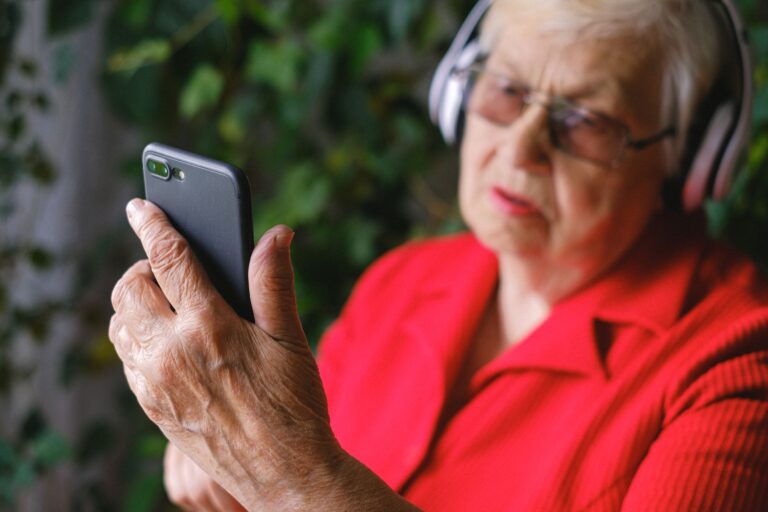
Current Alzheimer's drugs slow decline but cannot restore lost recognition; realistic hope means buying time together while preserving communication.

Learn why questions repeat, how to respond calmly, which reminders may help, and when sudden changes need medical attention.

Learn what "home" may mean, how to respond calmly, when to seek care, and how to reduce wandering risk.

Learn how to read nonverbal cues, reduce sensory barriers, and protect dignity as Alzheimer's communication changes.

Shape a shared ritual around changing abilities, realistic benefits, and the person's own preferences.

A practical guide to planning a calmer holiday visit that protects routine, dignity, connection, and caregiver capacity.
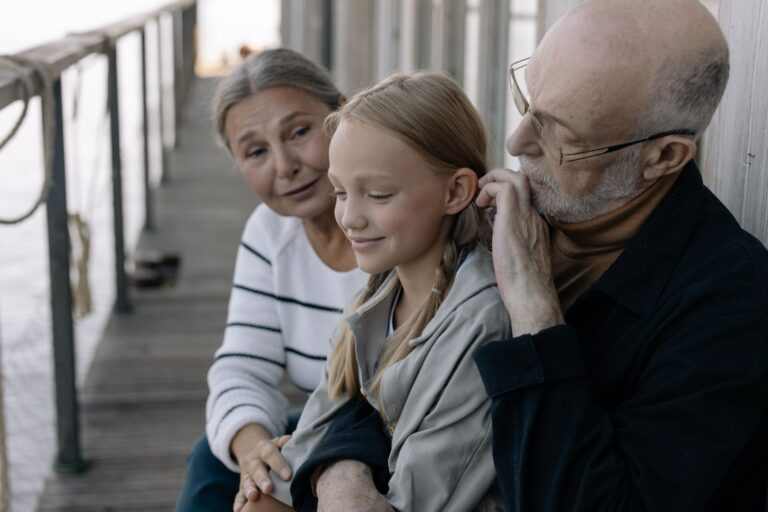
Learn what a parent's musical response can mean, what evidence supports, and how to create comfortable moments of connection.
HelpDementia.com
Dementia, Alzheimer's, Caregiving & Healthy Aging Guidance
© 2026 HelpDementia.com. All rights reserved.
Educational information only. It is not medical advice and does not replace care from a qualified clinician.