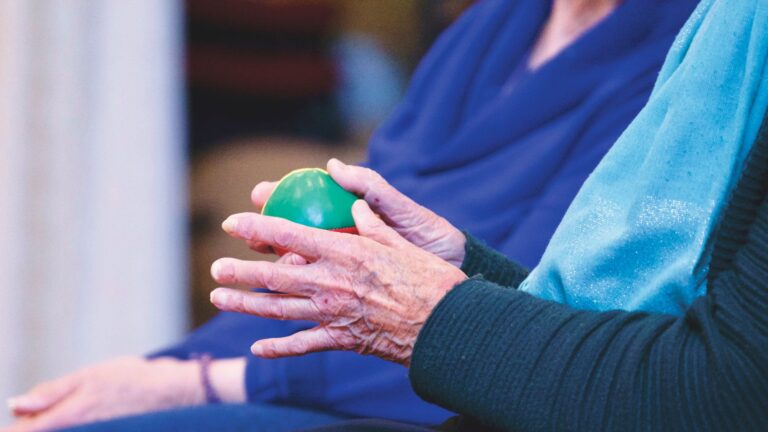
Yes, a person with dementia can sometimes consent to a robotic pet, and staff can otherwise rely on assent plus family agreement. No single answer fits all days because capacity and willingness can rise and fall.
A robotic pet is a lifelike toy cat, dog or seal that moves, sounds and responds to touch. Assent means the person shows a clear choice with basic understanding, such as reaching for the cat and smiling. Dissent means refusal through words, sounds, gestures or distress, and it guides whether use should continue.
Medical information disclaimer: This article is for general educational purposes only and does not provide medical advice, diagnosis, or treatment. Always consult a physician or other qualified health professional about symptoms, medications, tests, or treatment decisions.
Table of Contents
- Who decides with the person?
- What do agreement and refusal look like?
- How should you introduce the pet?
- What helps, and what should worry you?
Who decides with the person?
The Hazzard's Geriatric Medicine chapter explains that decision-making capacity in dementia is task-specific, time-limited and often fluctuates. A dementia diagnosis alone does not remove the right to agree to a simple daily activity like holding a robotic pet.
Guidance in Philosophy, Ethics, and Humanities in Medicine recommends asking a legal representative or surrogate and seeking the person's assent at the same time when capacity is reduced. Stop and reconsider if the surrogate and the person clearly disagree. For example, a daughter may approve while her mother turns away and says no, and her no controls that moment.
What do agreement and refusal look like?
Black and colleagues' framework in the American Journal of Geriatric Psychiatry defines assent as a meaningful choice plus minimal understanding. The same framework notes that inability to assent or dissent alone should not automatically block participation. Dissent should count as binding when it is clear or lasts after you try to ease worry and distress.
A HomeCare Magazine summary of an Alacare hospice pilot advises watching for verbal, behavioral and emotional cues during daily use. Remove the pet right away when any of these patterns appear or grow stronger. Try comfort, explain again in simple words, then offer the pet later only if distress fades.
- pushes the pet away, turns from it, or says no, stop or leave me alone
- cries, frowns, freezes, becomes restless or stays distressed
- only continues when staff coax, prompt repeatedly or hold the pet in place
How should you introduce the pet?
Offer the pet to one person at a time in a calm place, and allow time to get used to it. Do not place it on a lap without warning or leave it as a surprise in bed.
The 2021 JMIR scoping review found that low-cost Joy for All cats and dogs were preferred over unfamiliar forms like PARO or Pleo. The same review found that not all people with dementia accepted them, while users often showed better mood, communication, companionship and less anxiety. Start with a familiar animal shape, use its name, and let the person touch, hold or ignore it.
What helps, and what should worry you?
The commentary on the Abbott review of 19 nursing-home studies found PARO significantly reduced agitation versus control, with a standardized mean difference of -0.32. Effects on loneliness, depression and quality of life were not significant.
Nursing Inquiry ethicists warn about deception and infantilization because benefit can depend on the person not fully grasping that the animal is not real. Use the pet for comfort and engagement, not as a trick, babysitter or substitute for human care. If distress continues, remove the pet, note the trigger, and offer human contact or another activity instead.