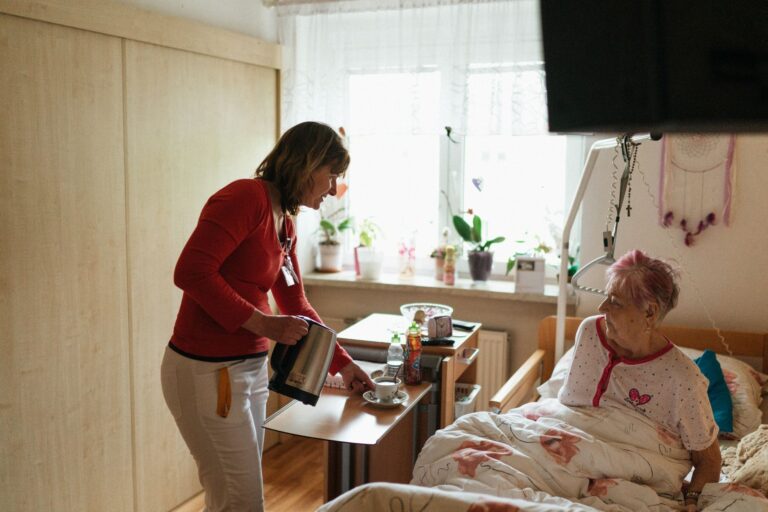
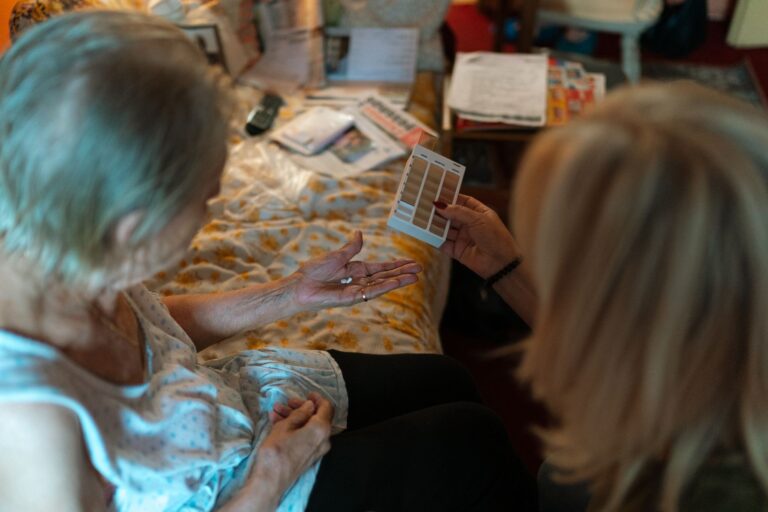
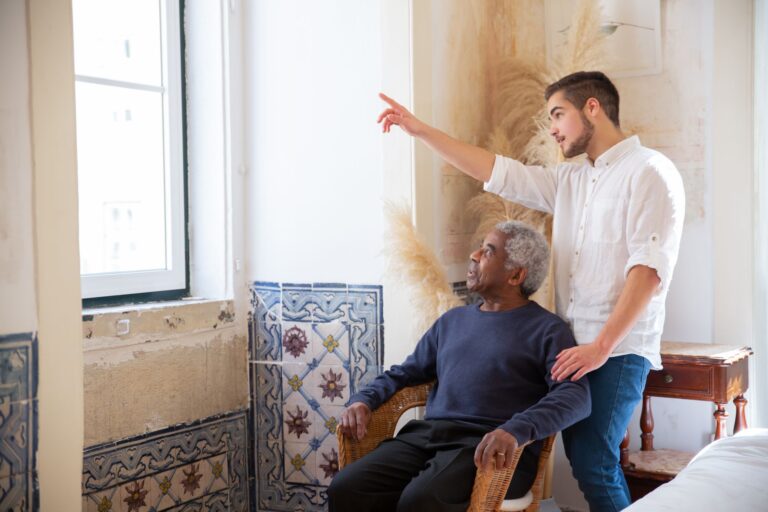
The 2026 NIA report supports strengths-based dementia care: programs should build on a person's abilities, preferences, goals, and available supports. Family caregivers can ask local programs how they personalize care, assess caregiver needs, involve community resources, and measure results. "Strengths-based" means starting with what a person with dementia can do and what matters to them, rather than focusing only on losses or problems. The approach should apply across dementia types, including people without traditional care partners.
Medical information disclaimer: This article is for general educational purposes only and does not provide medical advice, diagnosis, or treatment. Always consult a physician or other qualified health professional about symptoms, medications, tests, or treatment decisions.
Table of Contents
- What should a strengths-based plan include?
- How does the program assess the caregiver?
- What evidence and local input shape the program?
- If the program participates in GUIDE, what does it actually provide?
- What should families write down after the conversation?
- Frequently Asked Questions
What should a strengths-based plan include?
Ask the program to explain how it identifies: The Administration for Community Living says a person- and family-centered plan should be strengths-based, culturally informed, focused on the whole person, and created with the caregiver. It should also change as needs and preferences change.
Ask to see how the program records the plan and when staff review it. Administration for Community Living's first-principles guidance A useful answer will describe a process, not just a slogan. For example, a program might explain how it learns what activities the person enjoys, what tasks remain manageable, and which support arrangements the family can sustain.
- Abilities the person can still use
- Daily preferences and routines
- Personal goals
- Cultural needs and values
- Unpaid, family, or community support
How does the program assess the caregiver?
Caregivers need an assessment of their own situation, not only the person's diagnosis. Ask whether the program discusses stress, caregiving skills, health, finances, available helpers, and the kinds of support the caregiver wants.
The Administration for Community Living recommends conversational, strengths-based assessments that identify caregiver needs and connect them with services. ACL's caregiver-assessment guidance You can ask: A strong response should make clear who follows up, what support is available, and how the program handles changing needs.
- "What happens after you identify a caregiver need?"
- "Will you help match us with a service?"
- "Can the assessment be updated if our situation changes?"
- "How do you include a person who has no regular family caregiver?"
What evidence and local input shape the program?
Ask what evidence supports the program and how local caregivers, health professionals, and community organizations helped shape it. The NIA report emphasizes approaches that are feasible, sustainable, scalable, and responsive to local knowledge. You can also ask which outcomes the program tracks. Examples include quality of life, caregiver burden, hospital use, and time living at home.
Then ask how those results affect the services families receive. The NIA report presents research progress, promising approaches, and unmet needs from its March 17–19, 2026, Dementia Care and Caregiving Research Summit. It describes a synthesis of research rather than consensus advice, so a program should be able to explain both what it measures and how it learns from results. National Institute on Aging's 2026 Summit report.
If the program participates in GUIDE, what does it actually provide?
The CMS GUIDE Model requires participating programs to offer care navigation, caregiver training, connections to community resources, and 24/7 urgent support. Eligible patients may also receive up to $2,500 annually in respite. Ask the local program which services it provides directly and which it arranges through partners. Centers for Medicare & Medicaid Services' GUIDE Model description CMS requires GUIDE programs to offer dementia information, caregiver skills training, support groups, and one-on-one calls, either in person or virtually.
GUIDE services cannot have patient cost-sharing. Ask for the written service menu, delivery options, and confirmation that no fee will be charged. CMS GUIDE eligibility and service FAQs "GUIDE" does not automatically mean every family qualifies. Eligibility generally requires dementia, Medicare Parts A and B as the primary payer, living at home or in an approved residential care community, and no hospice enrollment. Medicare Advantage beneficiaries and people living in long-term nursing homes or memory-care units are excluded, so ask about eligibility first.
What should families write down after the conversation?
Record the program's answers before choosing services. Note the named contact, available services, costs, delivery format, eligibility decision, caregiver-assessment process, and how the care plan will be updated.
Pay attention to whether staff ask about the person's abilities and goals, listen to the caregiver's limits, and explain how community supports fit together. Those details show whether strengths-based care guides daily practice or appears only in the program's description.
Frequently Asked Questions
Does strengths-based dementia care ignore problems or safety needs?
No. It adds the person's abilities, preferences, goals, and supports to the care-planning process.
Can someone without a traditional family caregiver receive strengths-based support?
Yes. The NIA report specifically includes people without traditional care partners and encourages attention to unpaid and community supports.
You Might Also Like
- The NIA 2026 Dementia Care and Caregiving Summit Report: Questions Family Caregivers Can Ask Local Care Programs
- The $781 Billion Dementia Economic Estimate in the 2026 NIA Report: Questions Family Caregivers Can Ask Local Care Programs
- Early Dementia Diagnosis Economics in the 2026 NIA Report: Questions Family Caregivers Can Ask Local Care Programs