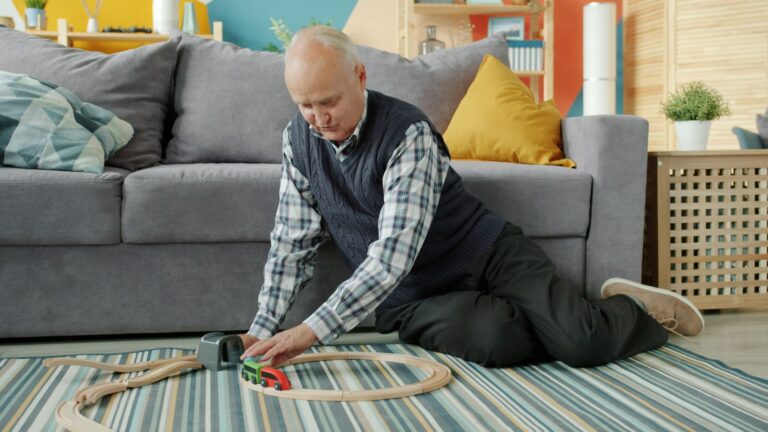
A fidget widget is a hands-on sensory tool with parts shaped to encourage specific repetitive spin, slide, twist, turn or roll movements for restless hands, according to Activities for Care in its Tool Kit description. People in mid-to-late stage dementia with restless hands might enjoy it, and carers should stop and remove it if the person mouths it, tries to swallow parts, becomes more distressed, or pieces loosen or break. The kit was developed with well-being outcomes in mind through collaboration between the Alzheimer's Society and the University of Central Lancashire's Innovation Project. It offers a simple, active option for times when hands need something safe to do.
Medical information disclaimer: This article is for general educational purposes only and does not provide medical advice, diagnosis, or treatment. Always consult a physician or other qualified health professional about symptoms, medications, tests, or treatment decisions.
Table of Contents
Who might enjoy it?
People in mid-to-late stage dementia are the main audience. The widgets suit those who fidget, pick at clothing, tap, or seek movement when restless or anxious. The Relish Spin Fidget Widget, described by Eugeria Care / Relish, is made for moderate-to-advanced dementia.
Its hand-crafted wooden design uses a simple repeatable spinning motion to channel nervous energy and encourage active hands, wrists and hand-eye coordination. A similar idea is the Twiddlemuff sold by BRACE Alzheimer's Research. It is a cosy knitted hand muff with varied textures and objects inside for people with dementia who have restless hands.
What does it do?
The widgets give restless hands a clear job. Spinning, sliding, twisting, turning and rolling replace picking, pulling or rubbing. Alzheimer's Society describes its fidget aids as tactile, dexterity-friendly products meant to encourage engagement, relaxation and cognitive stimulation while calming restlessness, as explained in its fidget aids collection.
A widget can sit beside a chair, travel in a bag, or join a calm routine with music or company. Use works best in short, supervised sessions. Offer one widget at a time, show the motion, and let the person take over at their own pace.
What can families realistically expect?
Dementia-friendly activities including fidget toys, dolls, music, puzzles and coloring might reduce agitation and improve mood in dementia, according to a Trip Database evidence summary. The same summary notes that current evidence is limited and further research is needed. That limit matters for daily choices.
A widget is a comfort aid, not a treatment for agitation or disease change. UK NICE dementia guidance recommends non-drug approaches first for agitation and distress, according to an NIHR Health Technology Assessment review of the guidance. Listed options include multisensory stimulation, music, massage, aromatherapy and animal-assisted therapy, with antipsychotics only as a last resort.
When should you stop?
Stop right away if use creates risk or distress. Watch closely during each session, especially at first. The U.S.
Consumer Product Safety Commission warned in 2017 that fidget spinners have small parts and batteries that pose choking hazards, with incidents reported up to age 14, as reported through its safety guidance for fidget spinners. The agency advised never putting them in the mouth or using them near the face. Choose large, securely made, washable items such as Alzheimer's Society's machine-washable Tactile Turn and supervise use, described in its Tactile Turn listing.
- The person puts the widget in the mouth or near the face
- The person tries to bite, swallow, or pull off small parts
- Agitation, frustration, or distress rises instead of easing
- Parts loosen, crack, break, or batteries become reachable
- The item cannot be washed clean after soiling