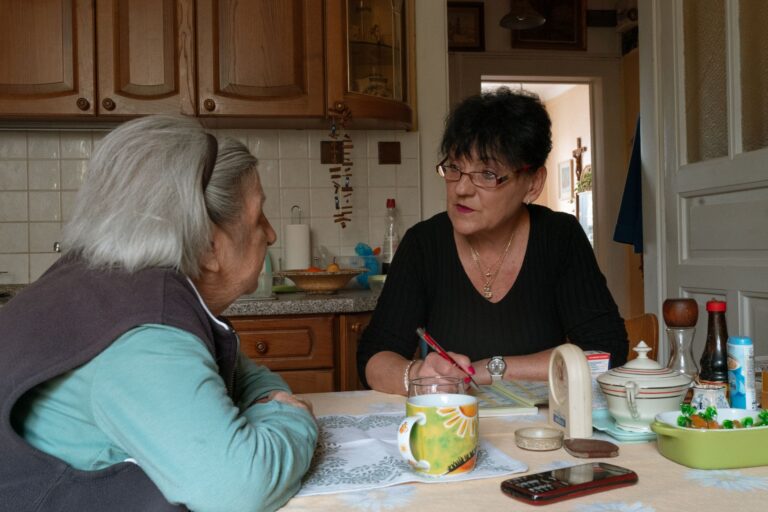
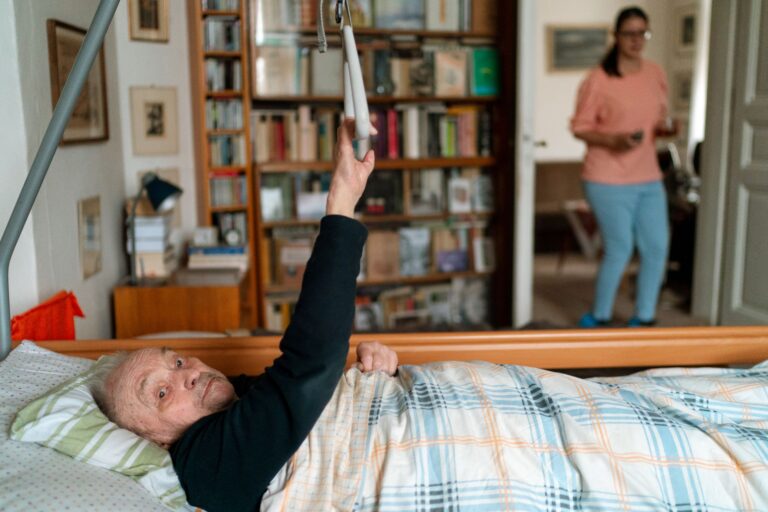
Early dementia diagnosis helps families start treatment, financial planning and care choices sooner, which can lower long-term costs. The National Institute on Aging concluded in its 2026 Dementia Care and Caregiving Research Summit Report that early diagnosis is critical for enabling timely treatment, financial planning and cost savings. Dementia means loss of memory and thinking skills severe enough to disrupt daily life. Early-diagnosis economics asks whether finding it sooner changes total costs, who pays them, and what families can still decide.
Medical information disclaimer: This article is for general educational purposes only and does not provide medical advice, diagnosis, or treatment. Always consult a physician or other qualified health professional about symptoms, medications, tests, or treatment decisions.
Table of Contents
- What does dementia care cost in 2026?
- Why do families carry most of the cost?
- Could earlier diagnosis save money?
- What should caregivers do during the early window?
- What do the estimates still miss?
What does dementia care cost in 2026?
The NIA-funded U.S. Cost of Dementia Project estimated $818 billion in total 2026 costs for 5.7 million adults age 51 and older with dementia, supported by 5.2 million care partners, according to the USC Schaeffer Center in its 2026 cost study. That total covers medical care, long-term care, unpaid help, lost earnings and lost quality of life.
Medical and long-term care were $222 billion, according to Thunell and colleagues in the journal Alzheimer's & Dementia. Unpaid family care was 6.8 billion hours valued at $237 billion, plus $15 billion in caregiver quality-of-life loss and about $23 billion in combined forgone earnings. The Alzheimer's Association estimated a narrower $409 billion in health, long-term and hospice costs in 2026 for 7.4 million Americans age 65 and older with Alzheimer's dementia, excluding unpaid caregiving. It projects those direct costs will rise toward $1 trillion by 2050.
Why do families carry most of the cost?
About 80% of total dementia costs fall outside the health system on persons with dementia and families, according to the Association of Health Care Journalists. Families shoulder more than three times the cost borne by health systems and government programs combined.
The gap comes from unpaid hours, missed work and daily support. Help with meals, rides, medicines, supervision and personal care rarely appears on a medical bill. It still costs time, income and health.
Could earlier diagnosis save money?
Modeling commissioned by the Alzheimer's Association projected about $7 trillion in lifetime medical and long-term care savings if 88% of future Alzheimer's cases were diagnosed at mild cognitive impairment rather than at the dementia stage, reported in the 2025 Facts and Figures analysis. Mild cognitive impairment means early, noticeable changes in memory or thinking while daily function remains largely intact.
Earlier notice gives families more months to plan care, housing, work changes and support. It also allows treatment to start when it may help most. The NIA summit noted new Alzheimer's medications may raise short-term health care costs even as early diagnosis supports savings over time.
What should caregivers do during the early window?
Use the period soon after diagnosis for legal, financial and advance-care planning, the practical step urged by the NIA summit. Decisions are easier while the person with dementia can state clear preferences. Waiting often shifts choices to crisis moments.
- Record health proxy, power of attorney, will and care wishes.
- Review income, savings, debts, insurance and eligibility for local support programs.
- Map daily help, respite, transport and who covers each task.
- Ask the care team about treatment options, safety, driving and follow-up visits.
What do the estimates still miss?
Many indirect costs remain poorly understood, the NIA summit stated. Two gaps are caregivers' long-term financial harm and workforce reentry challenges after intensive caregiving ends.
Treat the $818 billion and savings projections as planning guides, not personal forecasts. Book one care visit soon after diagnosis to complete proxy forms, finances and care wishes while choices stay flexible.
You Might Also Like
- Early Dementia Diagnosis Economics in the 2026 NIA Report: Questions Family Caregivers Can Ask Local Care Programs
- The NIA 2026 Dementia Care and Caregiving Summit Report: Care-Planning Implications for Family Caregivers
- The $781 Billion Dementia Economic Estimate in the 2026 NIA Report: Care-Planning Implications for Family Caregivers