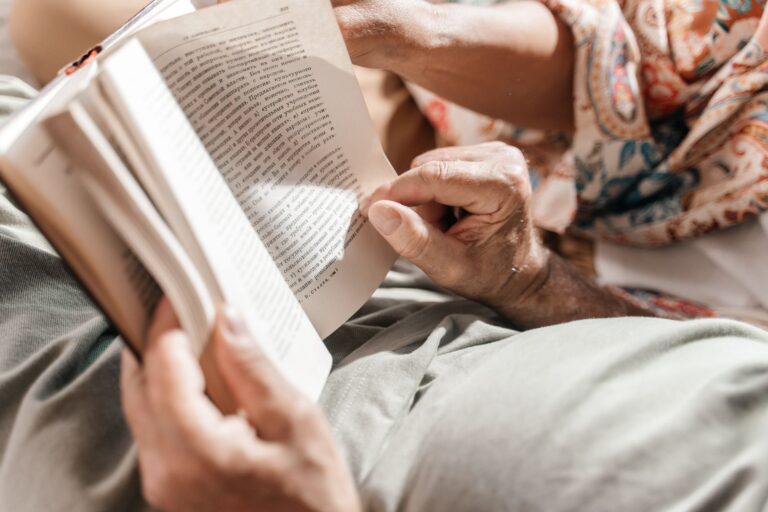
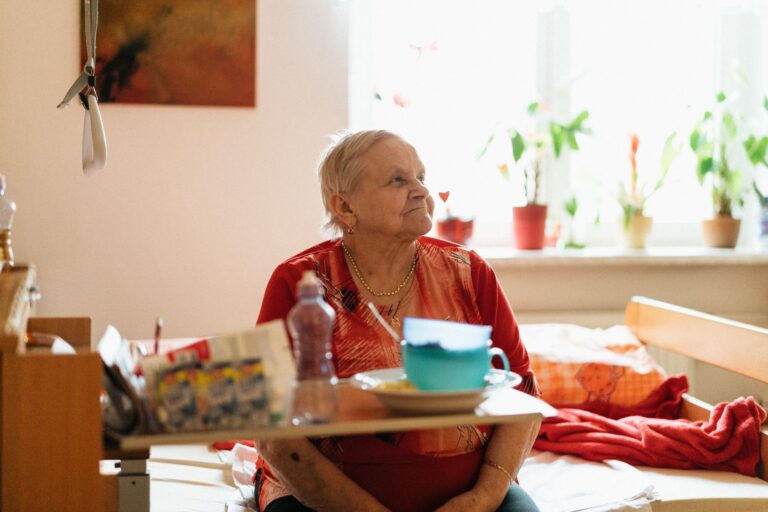
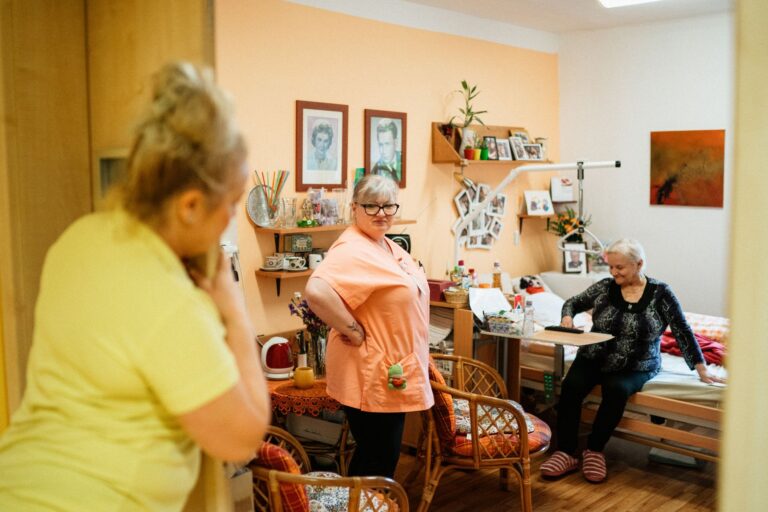
Caregivers can set up a winter reading nook for dementia care with even, glare-free light, a steady chair with clear walkways, reliable warmth, and large-print familiar books. A winter reading nook is a small, quiet corner for daytime reading and calm company during cold months. Dementia describes ongoing changes in memory and thinking that can make glare, dim halls, and clutter harder to handle.
This setup focuses on safety, comfort, and connection. It does not require a new room or costly gear. Small choices about light, heat, footing, and reading matter most.
Medical information disclaimer: This article is for general educational purposes only and does not provide medical advice, diagnosis, or treatment. Always consult a physician or other qualified health professional about symptoms, medications, tests, or treatment decisions.
Table of Contents
- Where should the chair and light go?
- How do you keep it warm and easy to find at night?
- What reading tools help aging eyes?
- What should you read together?
Where should the chair and light go?
Pick a quiet spot near a wall outlet and away from foot traffic. Place a firm chair with arms where light falls over the shoulder without shine in the eyes. Keep the path from chair to lamp and door open and easy to see. The Alzheimer's Association advises even, non-glare light plus extra lights in entries, landings, and areas between rooms because sudden light changes can disorient people with dementia, as explained in Alzheimer's Association home safety guidance.
Add a floor or table lamp with a shade. Avoid bare bulbs and glossy pages facing the reader. The same Association guidance warns that poor light plus tripping hazards raises fall risk, so keep the route clear, lit, and free of throw rugs or loose carpet. Try this quick check:.
- sit in the chair and look for glare, shadows, and dark corners
- run cords along walls, out of the walking path
- remove footstools, baskets, and curled rug edges near the chair
- test the walk to the bathroom and bedroom in evening light
How do you keep it warm and easy to find at night?
Keep the nook in a room that stays warm through the day and evening. Offer a blanket, warm socks, and a sweater within reach. Serve regular warm drinks and balanced meals as part of the daily routine. The Alabama Department of Public Health, citing CDC, advises heating living quarters for older adults to at least 65°F with warm clothing, blankets, and balanced meals because aging lowers temperature control and hypothermia starts below 95°F core temperature, as noted in Alabama public health cold safety guidance.
Watch for shivering, pale skin, confusion, sleepiness, or a cold home. Warm the person and seek care fast when warning signs appear. The Alzheimer's Association also advises night lights in hallways, bedrooms, and bathrooms around the nook to cut accidents and disorientation, especially when someone may wander at night. Place low lights along the bed-to-bathroom path. Leave the nook lamp off overnight, but keep the hall route lit.
What reading tools help aging eyes?
Many older readers have presbyopia, age-related trouble focusing up close. The National Eye Institute notes that large-print books and brighter reading lights ease reading with presbyopia, so pair high-contrast large print with an adjustable task lamp, as described in National Eye Institute presbyopia guidance. Let the reader move the lamp closer, left, or right. Choose matte paper and bold, simple type.
Low vision is also common in dementia care. Affected readers often do better with brighter home lighting, anti-glare steps, large-print books, and magnifiers for daily reading. Keep a handheld magnifier and an extra pair of glasses in a basket by the chair. Turn off competing glare from windows and screens during reading time.
What should you read together?
Choose familiar, pleasant material over new or complex text. Childhood books, seasonal stories, photo books, church or club booklets, recipe cards, and postcards often work well. Read short passages aloud and pause for pictures, memories, and comments. A Kagoshima University study reported that group reminiscence with childhood books, seasonal changes, photos, and familiar objects improved morale and behavioral symptoms in older adults with moderate-to-severe dementia.
Use that idea at home with one or two loved items at a time. Follow the person's lead and stop when attention fades. The same study found no clear gain in cognitive test scores, so use familiar reading for comfort, mood, and connection rather than to treat memory loss. Keep sessions brief, warm, and pressure-free. Pick one familiar book, album, or keepsake for each visit and let mood guide the pace.