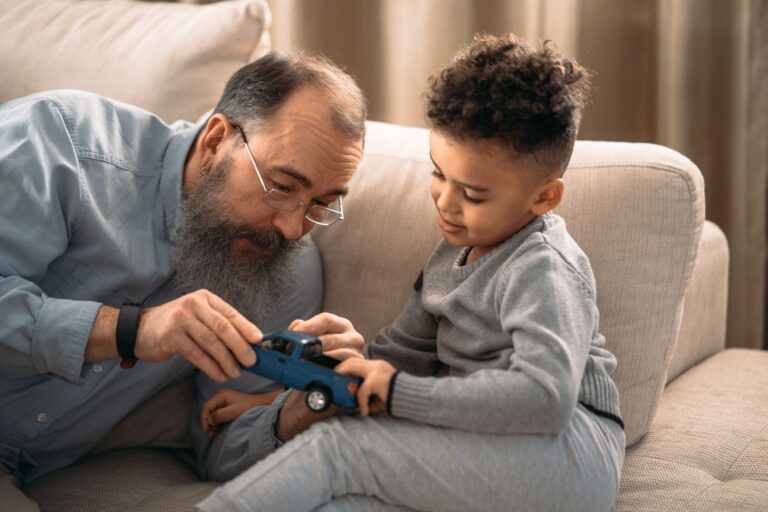
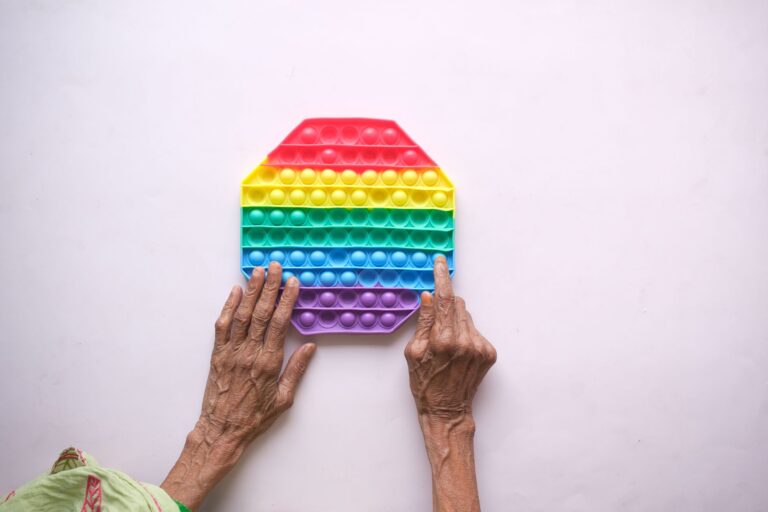
Familiar dolls, soft stuffed animals, tactile blankets, and simple robotic pets help caregivers redirect repetitive behaviors in dementia. Repetitive behaviors are repeated motions or speech, such as rubbing, pacing, or asking the same question, driven by anxiety, boredom, or confusion.
The Alzheimer's Association advises turning the motion into a useful task. For example, offer a cloth for dusting when a person rubs a table, as explained in the Alzheimer's Association repetition guidance. Toys work best as part of that calm, structured redirection.
Medical information disclaimer: This article is for general educational purposes only and does not provide medical advice, diagnosis, or treatment. Always consult a physician or other qualified health professional about symptoms, medications, tests, or treatment decisions.
Table of Contents
- Why do familiar dolls calm restless hands?
- Which sensory toys help during agitation?
- Do robotic pets add more than a plush toy?
- How should caregivers offer a toy without a struggle?
Why do familiar dolls calm restless hands?
Doll therapy means inviting a person with dementia to hold, dress, or soothe a lifelike doll. It gives restless hands a gentle, familiar role instead of rubbing or picking. A 2023 systematic review pooled 10 studies of 573 nursing-home residents with dementia. It found doll therapy improved agitation, apathy, irritability and wandering.
The result comes from Second Hospital of Dalian Medical University authors in the Geriatric Nursing meta-analysis. Choose a soft doll with a calm face and familiar clothing. Place it where the person can see it and invite touch. If the person talks to the doll, listen and support the story.
Which sensory toys help during agitation?
Tactile blankets, stuffed animals, and simple dolls can break a loop of pacing or picking. In an emergency-department study, kits with these items plus music helped calm behavioral disturbance. Researchers tracked patient-level data for 33 older adults. Curtin University researchers found tactile blankets, stuffed animals or dolls, and music from sensory-device kits helped alleviate disturbance.
Curtin University researchers reported this benefit in the emergency-department sensory-kit study. Keep one soft item within reach in favorite chairs. Offer a single blanket or animal, not a full box. Pair it with folding, sorting, or slow music for busy hands.
Do robotic pets add more than a plush toy?
The PARO robotic seal is a soft, responsive seal that moves and vocalizes. A large cluster trial tested it in 28 Australian care homes with 415 people with dementia. It improved mood and observed agitation compared with usual care.
It beat a non-robotic plush toy only on engagement, according to Moyle and colleagues as summarized in the JAMDA trial summary. Choose plush for low cost, easy washing, and quiet comfort. Choose robotic only if the person seeks sound and movement and you can supervise charging. Stop either option if it causes worry or jealousy over care.
How should caregivers offer a toy without a struggle?
Match the toy to the motion you see. Offer a doll for holding, a cloth for rubbing, or a blanket for picking.
Sit at eye level, smile, and use a short, warm invite. Never force the toy or argue if refused. If the person pushes the doll away, set it aside and try folding towels together.
- Offer one item in an open hand and wait.
- Name a clear role: hold the baby, fold this, sort these.
- Stay nearby for a minute, then step back if calm.
- Remove the item quietly if ignored or thrown.