Common barriers to gardening for dementia prevention when starting slowly are pain, limited mobility, harsh weather, and fear of overdoing it. Missing transport, uneven ground, and the need for caregiver help also stop many beginners.
Dementia prevention here means habits linked to lower risk, not a guarantee. The Medical Journal of Australia followed 2,805 Australians age 60 and older for 16 years in the Dubbo cohort in the Dubbo study report in the Medical Journal of Australia. Daily gardening was associated with 36% lower dementia risk than gardening weekly or less.
Medical information disclaimer: This article is for general educational purposes only and does not provide medical advice, diagnosis, or treatment. Always consult a physician or other qualified health professional about symptoms, medications, tests, or treatment decisions.
Table of Contents
- Why do muscles and joints hurt first?
- What if getting to the garden is hard?
- Does weather stop slow starters?
- How can you start slowly?
Why do muscles and joints hurt first?
UGA Cooperative Extension lists low back pain, neck pain, shoulder tendonitis, carpal tunnel, and kneecap bursitis as common blocks for older beginners in the practical tips from UGA Cooperative Extension. Bending, kneeling, and hauling often trigger them.
The National Council on Aging says arthritis, diabetes, and dementia can make activity painful or cognitively difficult. Beginners who fear vigorous programs often avoid starting at all. Gardening or walking clubs offer lower-intensity entry points.
What if getting to the garden is hard?
The British Ecological Society links reduced garden access to mobility limits, fear of falling, and low stamina. Dependence on family or infrequent transit and lack of walker or wheelchair accommodations add more distance.
People with dementia also face stigma that they are uninterested or unable to enjoy nature, the Society reports. Safe gardening often needs caregiver support for route, pacing, and supervision.
Does weather stop slow starters?
Extreme heat, cold, rain, and sun exposure deter gardening. For older beginners, a hot midday hour can quickly drain stamina.
Ohio State University safety guidance urges working early morning or late day, hydrating, covering skin, and avoiding midday heat in the heat safety guidance from Ohio State University. Shade, water, and shorter sessions matter more than toughness.
How can you start slowly?
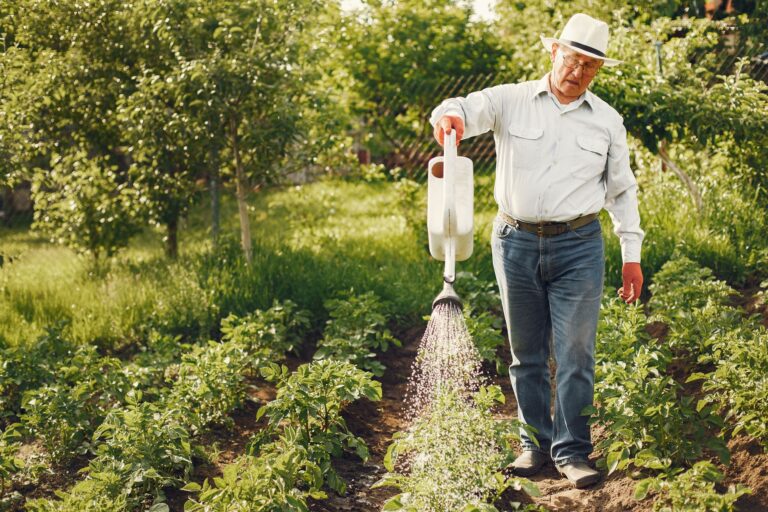
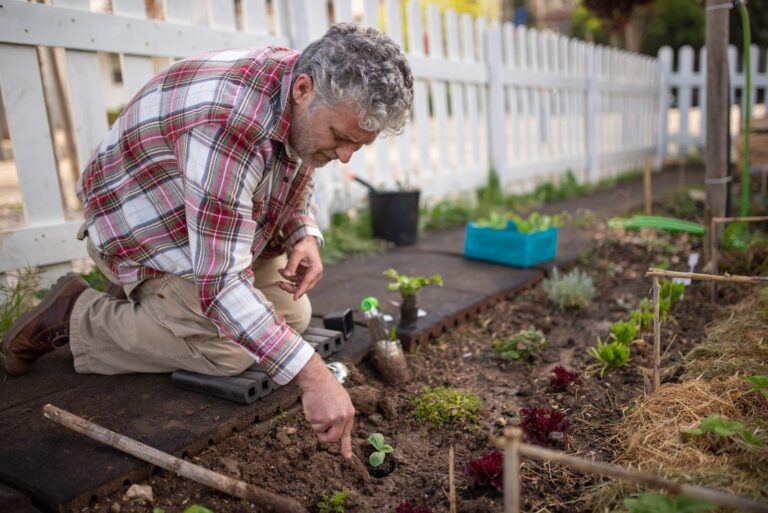
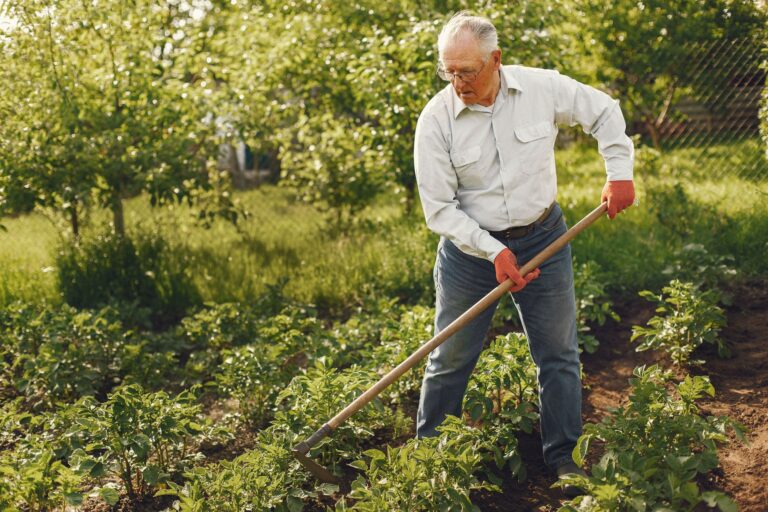
Starting slowly is practical, not lazy. The National Garden Bureau and UGA Cooperative Extension point to raised beds or containers, garden seats, foam pads, and lightweight, long-handled tools. Drip or soaker hoses and mulch cut hauling and weeding.
A Leaftide statistics review, traced to source, cautions these cohort links are observational and do not prove gardening prevents dementia. Healthier, socially connected people may garden more, so confounders remain. Pick one container, work ten minutes early in the day, then rest and repeat.
- Use a raised bed or container at waist height.
- Sit on a garden seat and add foam under knees.
- Choose lightweight, long-handled tools.
- Lay mulch and use a soaker hose.
- Warm up, then work in short blocks with breaks.