Start with short, light jobs such as deadheading, which means snipping off spent flowers, and simple pruning. Add bending, digging, pushing and heavy lifting only after weeks of gradual buildup, while using shade, water, sun cover and gloves for safety. Lifetime cognitive gain means change in thinking skills from childhood to older age.
University of Edinburgh researchers tracked 467 Lothian Birth Cohort members. Frequent or occasional gardeners showed greater lifetime gain from age 11 to 79 than rare gardeners, after accounting for schooling, income, health and activity, according to the University of Edinburgh report. Memory, problem-solving and word fluency still declined from 79 to 90. The authors described only a small link, not proof that gardening sharpens thinking.
Medical information disclaimer: This article is for general educational purposes only and does not provide medical advice, diagnosis, or treatment. Always consult a physician or other qualified health professional about symptoms, medications, tests, or treatment decisions.
Table of Contents
- What the brain link means for you
- How do you build up slowly?
- How do you handle sun and heat?
- How do you avoid cuts and soil infection?
What the brain link means for you
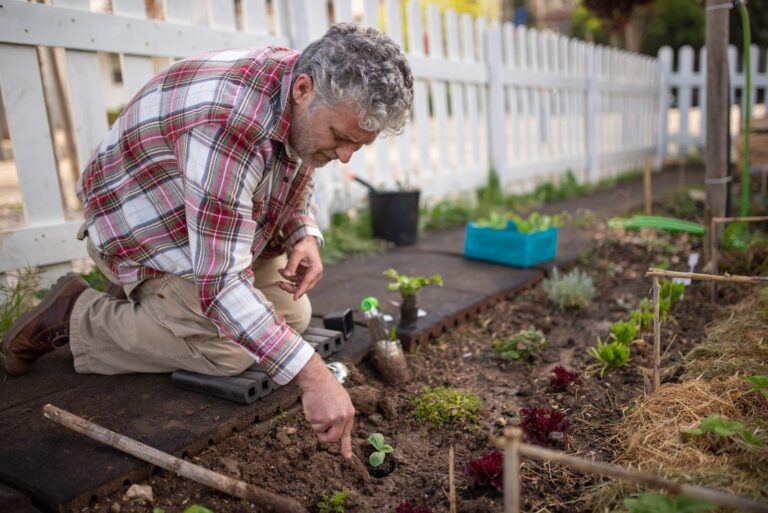
Think of gardening as regular movement with added outdoor time and fresh food. CDC guidance says short beginner sessions can count toward staying active, without long strenuous work, as noted in the archived CDC gardening tips.
That matters because the Edinburgh benefit was lifetime gain, not protection from decline. Choose repeatable visits you enjoy, such as herbs, salad leaves or tomatoes in pots. Keep sessions brief enough to repeat next day without soreness.
How do you build up slowly?
New or returning gardeners should start low and go slow. A gardening leaflet from University Hospitals Coventry and Warwickshire NHS advises beginning with light deadheading and pruning before bending, digging, pushing and heavy lifting, then building up over weeks, as described in the NHS gardening leaflet.
Use this order to pace strain on back, heart and joints: Stop and rest if breath, balance or pain changes. Leave heavy bags, awkward twists and ladders for later weeks or for help.
- begin with standing or seated deadheading and light pruning
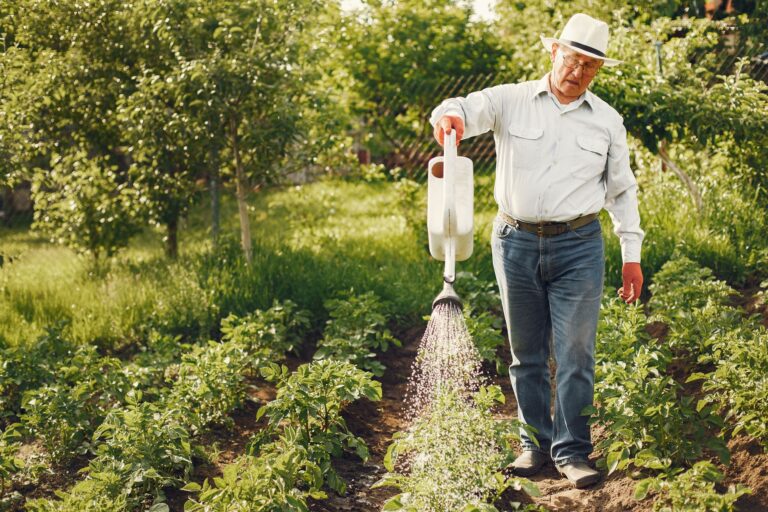
- add short bends, light raking and small watering cans
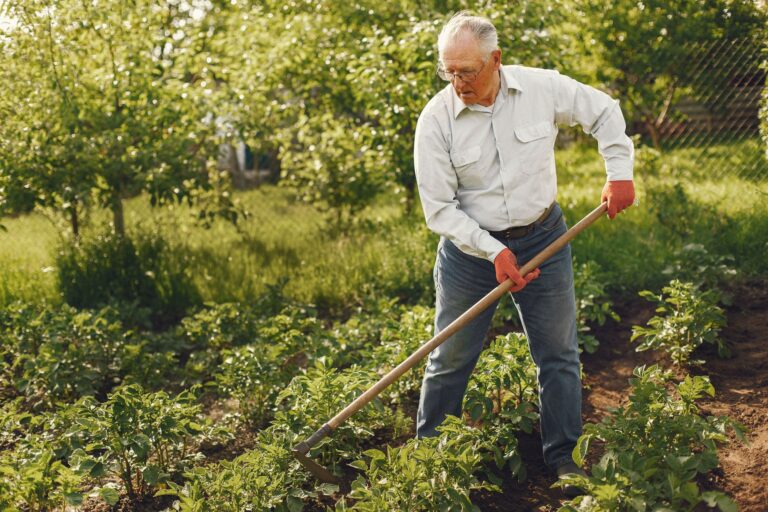
- later try brief digging, pushing a light barrow and lifting small bags
- spread harder jobs across weeks with rest days between
How do you handle sun and heat?
CDC advises gardeners to lower sun and heat risk with long sleeves, wide-brimmed hats, sunglasses and SPF 15 or higher sunscreen, plus water, shade breaks and work during cooler hours. Keep water nearby, take shade breaks before you feel hot, and plan digging for morning or evening.
CDC says adults age 65 and older, people with high blood pressure or chronic conditions, and people working hard in heat face higher heat-exhaustion risk, according to the CDC hot-climate guidance. Watch for these signs: Move to shade or cooling at once and sip cool nonalcoholic fluids. Suspected heat stroke with hot skin, lack of sweating, very high temperature or loss of consciousness is a medical emergency.
- heavy sweating, headache, dizziness, nausea, weakness and confusion
How do you avoid cuts and soil infection?
Wear gloves and sturdy closed shoes every time. Wash promptly after soil contact and cover any cut with a clean bandage. Keep tools sharp, clean and stored out of trip paths.
CDC states tetanus bacteria enter through cuts or wounds. Adults need a Tdap or Td booster every 10 years, and after 5 years for a severe or dirty soil-contaminated wound. Check your booster date before your first soil session and replace worn gloves.