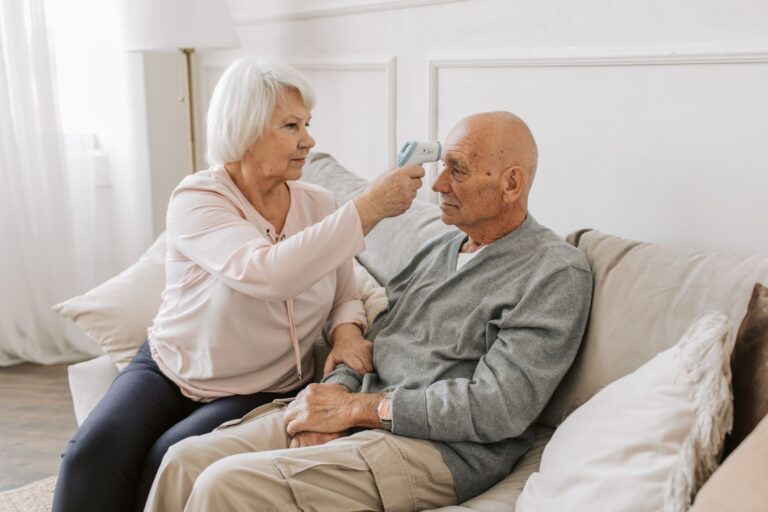
Electronic Health Records, the digital files from clinic visits, let dementia researchers study spouses and partners at scale in 2026. They reveal shared health risks around diagnosis, institutionalization, and death but miss many caregivers and undiagnosed cases. Spouses often share homes, habits, and stress, so illness in one partner can affect the other. Study design decides who counts as a couple, what time window counts, and which health effects researchers can see.
Medical information disclaimer: This article is for general educational purposes only and does not provide medical advice, diagnosis, or treatment. Always consult a physician or other qualified health professional about symptoms, medications, tests, or treatment decisions.
Table of Contents
- How do researchers find couples in records?
- What does spouse risk look like?
- Why do records miss caregivers and cases?
- What can spouses and families do now?
How do researchers find couples in records?
In Journals of Gerontology: Series B, Dutch researchers identified people with dementia and cohabiting partners through EHRs from 451 general practices the Oxford Academic study page. They compared partner health problems in the year before versus after diagnosis, institutionalization, and death.
In Annals of Family Medicine, a Canadian pilot used the Canadian Primary Care Sentinel Surveillance Network to test routine pair linkage. Dyadic linkage means joining records for a person with dementia and a caregiver as one unit for care and research. The pilot found few systems enable that routine linkage, which limits proactive care and research.
What does spouse risk look like?
In JAMA Network Open, a nationwide Taiwanese matched cohort followed nearly one million married people from 1998 to 2022. Wives with a spouse with dementia had 74 percent higher dementia risk and husbands had 69 percent higher risk than unexposed spouses the JAMA Network Open cohort analysis.
Shared environment, vascular risks, sleep loss, stress, and less time for own care may raise risk. A spouse diagnosis can also bring earlier clinic visits and testing for the other partner.
Why do records miss caregivers and cases?
In Journal of Medical Internet Research, researchers report that standardized fields capture patient demographics, labs, and diagnoses but not caregiver roles the JMIR analysis of caregiver identification. That gap hinders coordination and population research on caregivers. In Clinical Epidemiology from Dove Medical Press, only about half of people meeting dementia criteria receive a clinical diagnosis.
Code-based EHR research undercounts cases through under-coding, errors, and misclassification. In the Alzheimer's Association 2025 Facts and Figures, nearly 12 million U.S. unpaid caregivers provided about 19 billion hours of dementia care in 2024 the Alzheimer's Association facts report. EHR-only spouse and partner studies therefore miss large informal-care burdens and need linked survey and claims data.
What can spouses and families do now?
Ask the primary-care clinic to record spouse or partner status and caregiver role in visit notes. That note helps future visits, referrals, and care plans reflect both people. Bring shared information to each visit: Keep one folder with diagnoses, advance directives, and contact names for both partners and bring it to every appointment.
- confirm who is listed as caregiver and emergency contact and fix errors
- bring medication, sleep, mood, and safety notes for both partners
- ask what follow-up, respite, and community supports fit your situation
You Might Also Like
- UAS-CLEAR Dementia Care Research Data Priorities in 2026: Study Design and Evidence Limits for Spouses and Partners
- Home-Based Dementia Care Research Priorities in 2026: What the Report Means for Working Dementia Caregivers
- How Spouses and Partners Can Discuss Frontotemporal Dementia With the Care Team