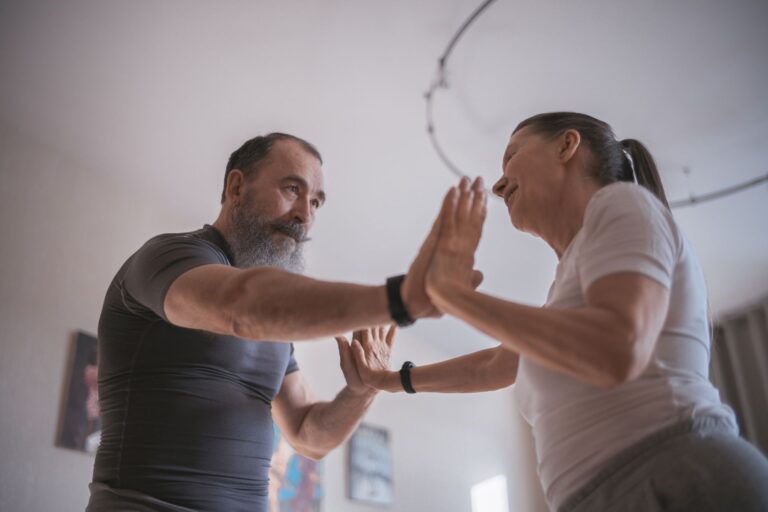
After 65, you can make dancing a steady part of a dementia-risk-lowering routine by dancing more than once each week alongside walking and strength work. A prevention routine is a repeatable set of heart-healthy habits that supports brain health over time. Dance stands out because it pairs movement with music, steps to remember, and social contact. The goal is not performance, but regular, enjoyable sessions you can keep doing safely.
Medical information disclaimer: This article is for general educational purposes only and does not provide medical advice, diagnosis, or treatment. Always consult a physician or other qualified health professional about symptoms, medications, tests, or treatment decisions.
Table of Contents
- What does research show about dancing and dementia?
- How much dancing helps?
- What does a realistic weekly routine look like?
- How do you start safely after 65?
- How do you keep it engaging for the brain?
What does research show about dancing and dementia?
In a prospective Einstein Aging Study cohort of 469 adults over 75 without dementia, 124 developed dementia over about five years. In that study, reported in the New England Journal of Medicine, frequent dancing was the only physical activity tied to much lower risk study record. Frequent meant generally more than once weekly, up to three or four times weekly.
Those frequent dancers had about 76% lower dementia risk than rare dancers. Later randomized trials show a smaller, mixed picture. A 2025 systematic review in Frontiers in Psychiatry found a small overall cognitive benefit review summary. A 2026 network meta-analysis found no clear advantage of dance over other exercise for mild impairment or dementia.
How much dancing helps?
Dance works best as part of total weekly movement. Guidance cited by NIH MedlinePlus Magazine advises at least 150 minutes of moderate aerobic activity weekly, plus strength work twice weekly and balance activity federal activity guidance. That can mean two or three 30-to-45-minute dance sessions, plus short walks.
Keep effort moderate enough to raise heart rate and breathing, yet still allow talk. The 2024 Lancet Commission listed 14 modifiable risk factors, including midlife inactivity. Addressing all 14 could prevent or delay about 45% of cases worldwide, so dance is one piece, not the whole plan.
What does a realistic weekly routine look like?
Build around sessions you enjoy and can repeat. The Alzheimer's Association advises regular heart-rate-raising movement such as walking, dancing, or gardening 10 healthy habits.
Keep one session easy and social, one focused on learning steps. If you miss a week, resume at the prior level rather than doubling time.
- Dance 2-3 times weekly, 30-45 minutes each, with warm-up and cool-down.
- Walk on other days to reach weekly aerobic minutes.
- Add leg strength and balance moves twice weekly.
- Join a group class for steps, music, and social cues.
How do you start safely after 65?
NIH advises checking with a doctor before raising activity, starting gradually, and adding strength, balance, and flexibility work to reduce fall risk. Wear supportive shoes, clear space, and use a chair or wall for support when trying new steps. Stop and seek care for chest pain, severe shortness of breath, dizziness, or a fall.
Treat soreness lasting more than a few days, joint swelling, or repeated balance loss as a reason to adjust. A 2025 BMC Geriatrics umbrella review reported higher MoCA and MMSE scores after dance programs for older adults with cognitive impairment. That suggests supervised group programs can suit early concerns, with medical guidance.
How do you keep it engaging for the brain?
Change routines every few weeks to keep learning. New step patterns, rhythms, and partners demand attention, memory, and quick decisions.
Track sessions on a calendar and note energy and balance. If attendance slips, shorten sessions to ten minutes rather than skipping.