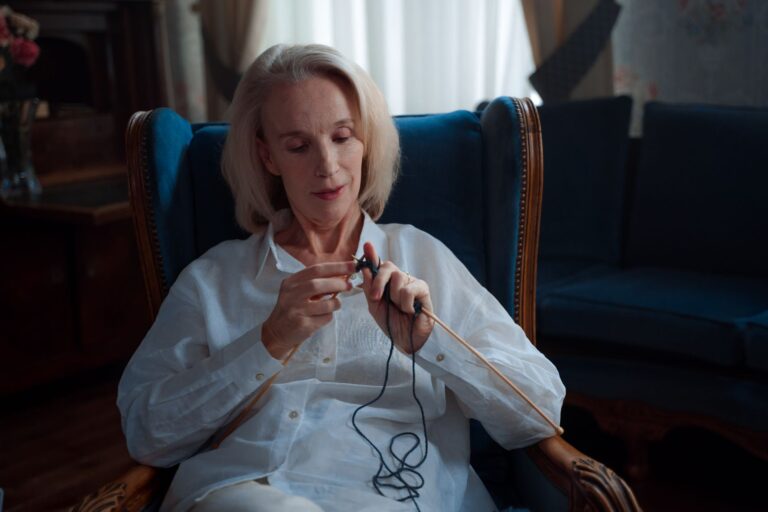
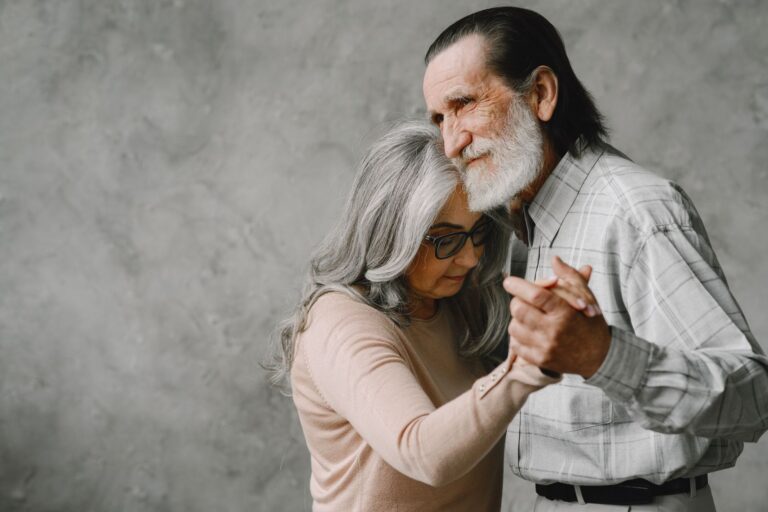
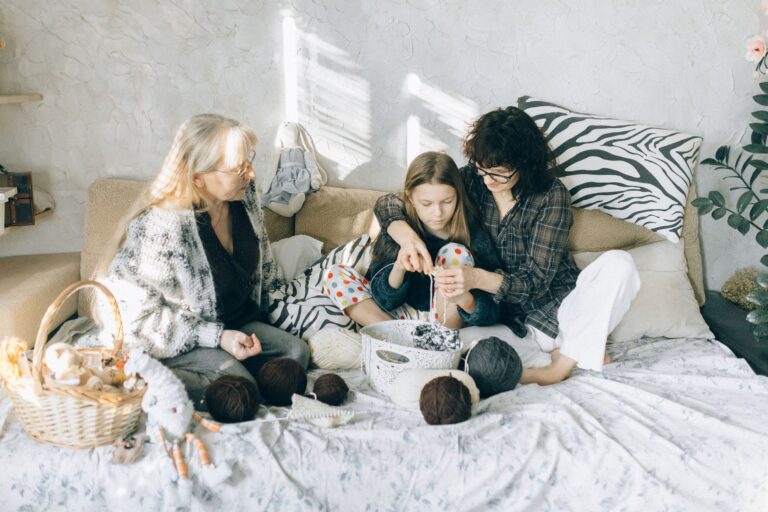
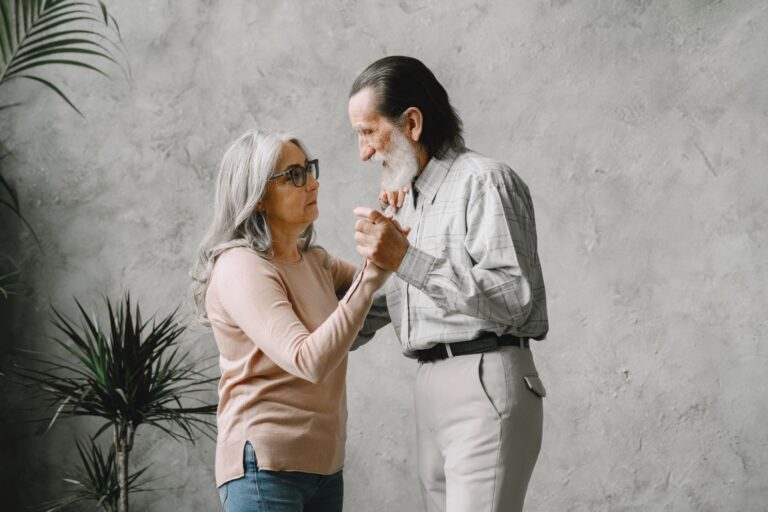
Good swaps for simple knitting in early-stage dementia include listening to music, painting, gardening, cooking together, and short walks. Simple knitting here means easy, repetitive stitching that once gave calm focus. Interest often fades because attention, vision, hand comfort, or mood shifts. A new activity that fits present energy can restore comfort and contact without pressure.
Medical information disclaimer: This article is for general educational purposes only and does not provide medical advice, diagnosis, or treatment. Always consult a physician or other qualified health professional about symptoms, medications, tests, or treatment decisions.
Table of Contents
- Why does knitting lose its pull?
- Can music offer the same calm rhythm?
- What hands-on options replace yarn?
- How do you adapt the routine?
Why does knitting lose its pull?
Knitting needs steady vision, finger movement, counting, and follow-through. When any of these takes more effort, the work can feel slow or frustrating.
A dropped project does not mean failure or lack of ability. It often signals readiness for a shorter task, a different texture, or more social contact.
Can music offer the same calm rhythm?
The Alzheimer's Association says music and visual art enrich the lives of people with Alzheimer's by enabling self-expression and engagement even after dementia has progressed, as described on its Art and Music page. Swinburne University researchers found an eight-week music therapy program improved working memory, cognitive compensation and executive functioning in people living with dementia, according to the university's Music therapy report.
Try familiar songs, gentle clapping, humming, or a small percussion instrument. Keep sessions short, choose well-liked tunes, and let the person tap, sway, sing, or simply listen.
What hands-on options replace yarn?
NHS 111 Wales says people with dementia can continue enjoyed activities, though slower, or try new physical, mental, social and creative activities including dance, walking groups, painting, drama, book clubs and reminiscence work, listed in its Activities for dementia. Watercolor washes, collage, clay, large-piece puzzles, and sorting garden herbs give hand work with less counting.
Reminiscence boxes, photo albums, and simple drama games add story and laughter. Pick one material with clear color and easy grip. Stop while the mood is still good, and save the work where it can be seen.
How do you adapt the routine?
In its middle-stage caregiving guidance, the Alzheimer's Association advises caregivers to adapt routines as abilities change and use shared meaningful activities such as making dinner together, gardening, listening to music, or walking, explained in Middle-Stage Caregiving. Use small shared tasks rather than solo projects.
Cook a familiar dish, water plants, fold towels, or take a brief walk together. Offer one choice at a time, then join in for ten minutes.
- Offer one clear choice at a time
- Match the task to present energy and light
- Join in yourself for the first ten minutes
- Keep noise low and tools within reach