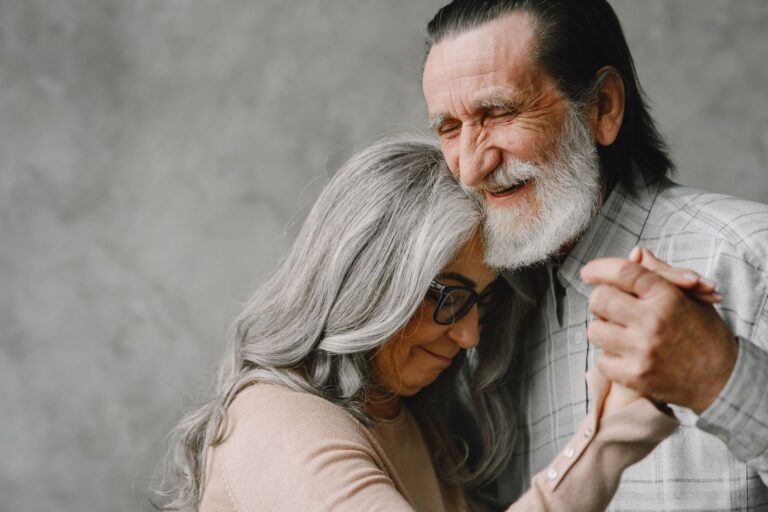
Dancing in midlife does not guarantee prevention of Alzheimer's, a brain disease that causes memory loss and loss of thinking skills. Research links regular dancing to lower dementia risk and better thinking, with the clearest signals in older adults. Midlife readers face bold marketing claims about dance as brain protection. This article separates those claims from study results and shows practical next steps.
Medical information disclaimer: This article is for general educational purposes only and does not provide medical advice, diagnosis, or treatment. Always consult a physician or other qualified health professional about symptoms, medications, tests, or treatment decisions.
Table of Contents
- What the famous 76% number means
- What dance trials show for thinking
- Where midlife fits in dementia risk
- How to make dance count each week
What the famous 76% number means
According to the U.S. National Library of Medicine summary, the Einstein Aging Study followed 469 Bronx adults aged 75 and older without dementia. Reading, board games, musical instruments, and dancing were linked to reduced dementia risk.
Frequent dancers had about 76% lower dementia incidence than rare dancers, the largest reduction studied, according to EMJ Reviews summary of Verghese and colleagues. Frequent meant dancing more than once weekly in most analyses. An analysis of the Verghese 2003 design describes observation in adults aged 75 to 85 followed for a median of about five years. People with early memory change may dance less, so the link may partly reflect who keeps dancing.
What dance trials show for thinking
Pooled randomized trials in adults 55 and older find dance probably improves global cognition and executive function, according to the 2021 systematic review in Age and Ageing. The average gain was about 1.58 Mini-Mental State Examination points. Executive function means planning, switching tasks, and controlling attention.
Dance trains these skills through steps, rhythm, balance, and partner coordination. Benefits look narrowest for memory and attention. A 2024 scoping review of 29 dance studies found most participants had mild impairment, not midlife prevention groups, according to the Ageing Research Reviews team.
Where midlife fits in dementia risk
Midlife physical inactivity is one of 14 modifiable factors linked to about 45% of dementia cases worldwide, according to the BrightFocus summary of the 2024 Lancet Commission. Dance fits here as movement, not as a proven shield. Regular exercisers may be up to 20% less likely to develop dementia, with sustained midlife activity showing the best effect, according to Alzheimer's Society UK.
The benefit grows with years of activity. Social dance adds aerobic effort, learning, music, and contact with others. Those combined demands make it a strong choice among exercise options.
How to make dance count each week
Practical guidance calls for at least 150 minutes weekly of moderate aerobic activity plus balance and strength work, according to the CDC Healthy Body Healthy Brain factsheet. Social dance can count toward aerobic, mental, and social engagement. Pick styles that raise breathing, require new patterns, and bring regular contact.
Examples include salsa, swing, ballroom, folk, and line dancing with a class progression. Start with beginner group classes that teach footwork, turns, and safe balance. Ask the teacher about fall-safe floors and paced progression.
- Choose two weekly sessions that leave you warm and slightly breathless
- Learn new routines every few weeks, not the same steps alone
- Add one balance and one strength session around dance days
- Track attendance for eight weeks, then keep the schedule you enjoy