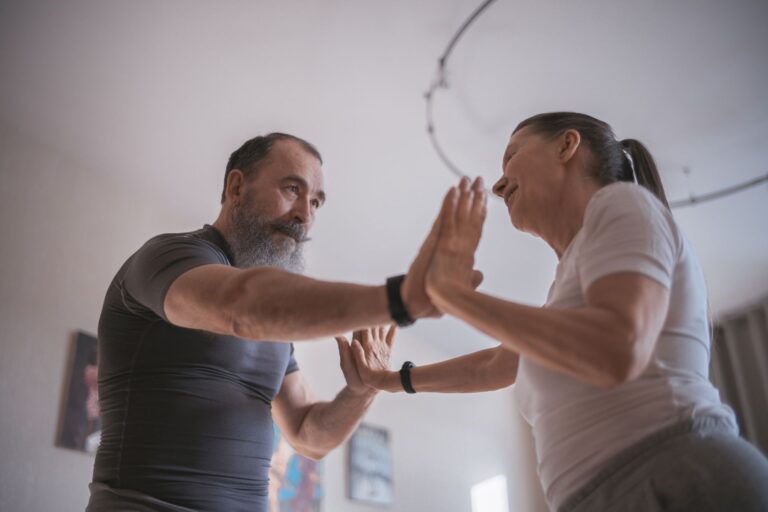
After 65, start dancing with short guided sessions that include a warm-up, nearby balance support, and a cool-down. Build toward regular moderate movement you enjoy, with steps that keep changing to challenge memory and balance. Movement plus balance work supports brain health and lowers fall risk. Frequent dancing is linked to lower dementia risk in older adults, but that link cannot prove prevention.
Medical information disclaimer: This article is for general educational purposes only and does not provide medical advice, diagnosis, or treatment. Always consult a physician or other qualified health professional about symptoms, medications, tests, or treatment decisions.
Table of Contents
- How much activity is enough?
- How do you reduce fall risk?
- What does dancing research show?
- Which dance style helps most?
- What should first sessions include?
How much activity is enough?
Adults 65 and older need at least 150 minutes of moderate aerobic activity each week, according to CDC in the activity guidance for older adults. Add muscle-strengthening on 2 or more days plus regular balance activities. Balance work adds reduced fall risk and improved brain health.
Dance can cover the aerobic share in 20- to 30-minute sessions across the week. Keep the pace moderate enough to raise breathing while still allowing talk. Add strength days and brief balance practice separately.
How do you reduce fall risk?
More than 1 in 4 U.S. adults 65 and older falls each year, so yearly fall-risk screening matters, according to CDC in the STEADI fall resources. The STEADI program urges balance-plus-strength exercise for older adults living in the community.
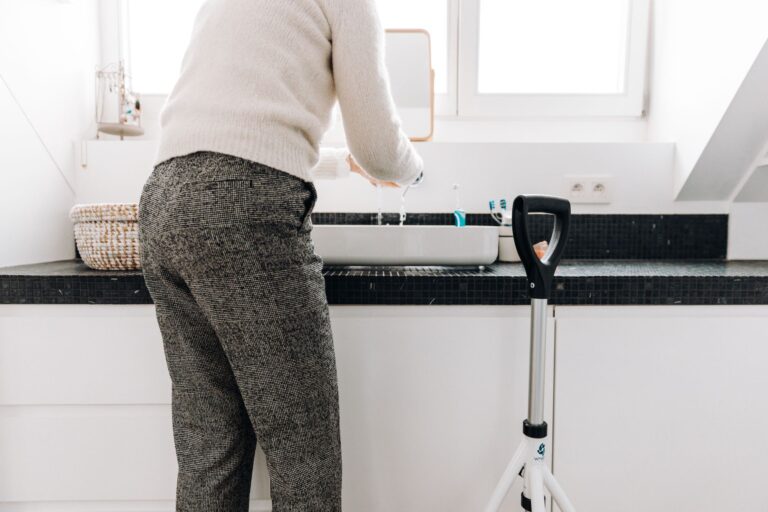
Ask about screening at a yearly checkup. Start safely by warming up and cooling down, using a sturdy chair or trusted person nearby for balance work. Clear cords, rugs, and clutter from the dance space. Ask a doctor or physical therapist about uncertain movements or chronic conditions, as advised by the National Institute on Aging in its Go4Life exercise guidance.
What does dancing research show?
In 469 Bronx adults over 75 without dementia followed for a median 5.1 years, Verghese and colleagues in the New England Journal of Medicine reported frequent dancing was associated with about 76% lower dementia risk versus rarely dancing. The finding drew wide interest because the group was followed over time. It measured leisure habits before dementia appeared. That dancing-dementia link is observational and cannot prove dancing prevents dementia.
The Einstein Aging Study authors noted healthier people who keep dancing may differ in other protective habits. Social contact, education, health care, and baseline fitness can shape risk. In a smaller test, Blumen and colleagues assigned 25 dementia-at-risk older adults to 6 months of twice-weekly 90-minute ballroom dance or treadmill walking. Executive function, the ability to plan, focus, and switch tasks, improved in both groups with no between-group difference. Less hippocampal shrinkage with dance was only preliminary.
Which dance style helps most?
An 18-month trial in healthy seniors ages 63 to 80 compared dance with fitness training, as reported in the Frontiers in Human Neuroscience trial report. Both groups increased hippocampal volume, a brain area tied to memory. Only constantly changing dance choreography significantly improved balance. Pooled trials in adults 55 and older with mild cognitive impairment also favor dance.
A Global Brain Health Institute summary of a BMC Geriatrics umbrella review found dance movement interventions significantly improved global cognition, memory, balance, and depression scores. Benefits appeared across programs, not one brand or rhythm. Pick a style with new patterns to learn, such as social, folk, or ballroom basics. Novelty matters more than speed or perfection. Stay with music and a teacher pace you can follow safely.
What should first sessions include?
Begin with two weekly sessions of 20 to 30 minutes plus one short practice. Choose a flat floor, supportive shoes, water, and a chair within reach.
Stop if you feel pain, dizziness, pressure, or unusual shortness of breath. Bring that log to your doctor, nurse, or physical therapist before adding faster turns, floor work, or longer classes.
- Warm up 5 minutes with marching, shoulder rolls, and ankle circles.
- Learn 2 to 3 simple steps, then repeat with small changes in direction or rhythm.
- Hold the chair for turns, side steps, and backward steps.
- Cool down 5 minutes with slow walking and gentle stretching.
- Log minutes, balance holds, and how steady you felt.