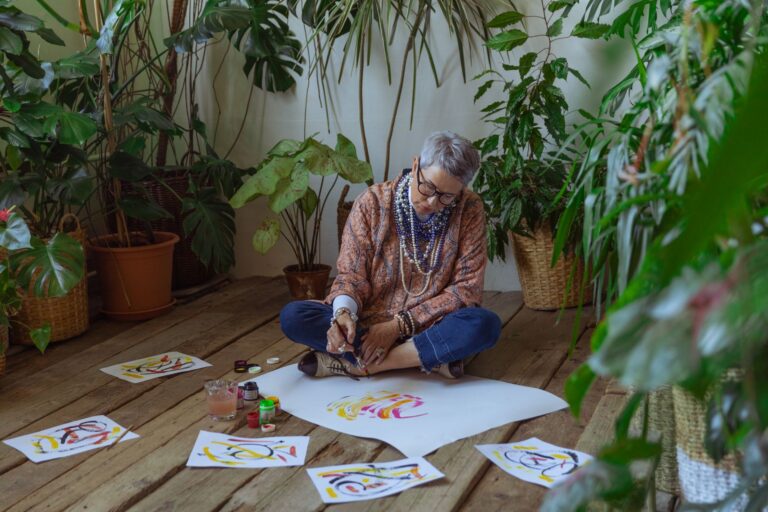
Good alternatives to watercolor for early-stage dementia when interest fades include pastel drawing, acrylic painting, collage, clay work, and water-only Aquapaints. Early-stage dementia means memory and thinking changes are mild but familiar hobbies often take more effort and focus. Interest often drops because steps feel complex or results disappoint. A better fit keeps self-expression and engagement while lowering mess, skill demands, and frustration.
Medical information disclaimer: This article is for general educational purposes only and does not provide medical advice, diagnosis, or treatment. Always consult a physician or other qualified health professional about symptoms, medications, tests, or treatment decisions.
Table of Contents
- Why does watercolor lose its appeal?
- Which low-demand options keep the feel of painting?
- What other art forms have tested benefits?
- How can caregivers switch without pressure?
Why does watercolor lose its appeal?
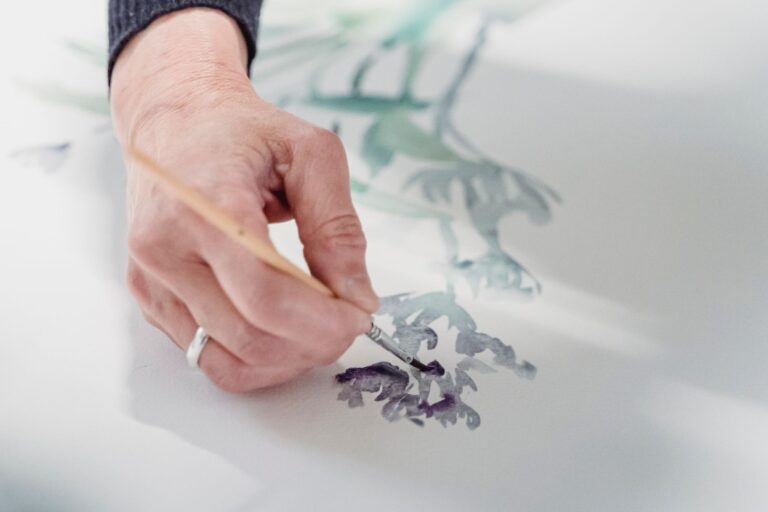
Watercolor needs brush control, water balance, and tolerance for surprises. Those demands can turn enjoyment into frustration as attention, vision, and hand control change. Loss of interest can also reflect apathy, not dislike of art.
A controlled trial of 39 mild Alzheimer's outpatients found 12 weekly sessions of coloring patterns and drawing familiar objects improved apathy scores and quality of life, according to Geriatrics & Gerontology International 2011 via the MODEM evidence summary. The National Institute on Aging advises caregivers to match activities to what the person can currently do, help start the task, watch for frustration, and allow simply watching, according to the NIA guide to adapting activities. Use that pause as a signal to simplify, not to stop art.
Which low-demand options keep the feel of painting?
Water-only Aquapaints reveal color with a wet brush and remove mixing, spills, and cleanup. Adult coloring books isolate one painting skill, staying inside shapes with color choice but no composition. The Alzheimer's Society UK identifies both as lower-demand substitutes for people with dementia who still enjoy painting, according to the Society's painting ideas guide.
They suit days when watercolor feels like too many steps. Pastel and pencil drawing also preserve mark-making with firmer control. Acrylic paint covers mistakes more easily than watercolor wash.
What other art forms have tested benefits?
Tested alternatives include acrylic painting, pastel and pencil drawing, paper-rolling, clay work, and mixed-media collage. One format studied was twice-weekly 60-90 minute sessions for six weeks in people ages 60-85 with mild cognitive impairment. Collage plus conversation has supportive evidence in older adults at risk.
A five-week, twice-weekly group program combining collage with reminiscence therapy improved cognition, depression, and quality of life in 63 women over 65 at high dementia risk. The Alzheimer's Association states that music and art enrich the lives of people with Alzheimer's by enabling self-expression and engagement even after dementia has progressed. The same Association reports that art projects create a sense of accomplishment and purpose.
How can caregivers switch without pressure?
Start with ability today, not past skill. Offer two clear choices, set out only needed materials, and begin the first marks together.
Stay nearby, praise effort and color choices, and stop before fatigue. Watching, sorting colors, or holding paper still counts as participation.
- Offer pastel drawing on textured paper for better grip and control
- Try acrylic on small canvas when covering errors helps confidence
- Use collage with large images, blunt scissors, and glue sticks
- Shape clay for touch-based work without brushes or drying waits
- Keep Aquapaints or coloring pages ready for low-energy days