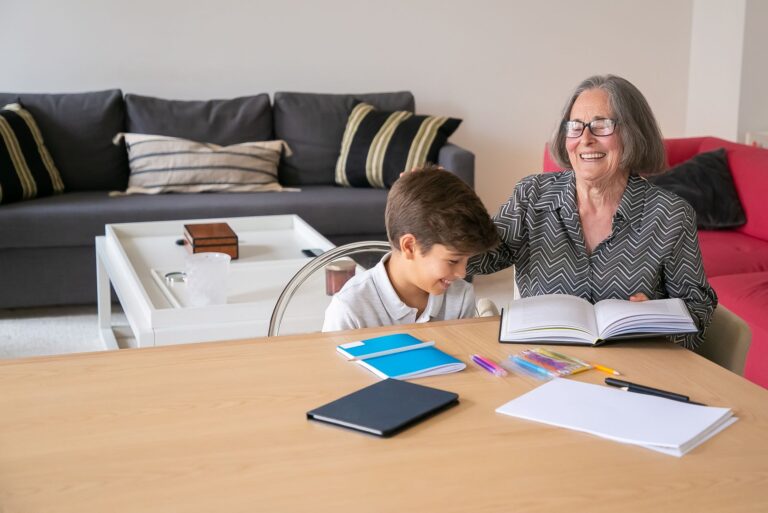
Engagement during watercolor painting looks like sustained attention, visible pleasure, interest, and calm pride in making something. Distress looks like frustration, withdrawal, restlessness, harsh self-criticism, and wanting to quit. Early-stage dementia means memory and thinking changes are mild but affect daily life. Watercolor gives a low-pressure way to stay active, express ideas, and spend time together.
Medical information disclaimer: This article is for general educational purposes only and does not provide medical advice, diagnosis, or treatment. Always consult a physician or other qualified health professional about symptoms, medications, tests, or treatment decisions.
Table of Contents
- What does engagement look like?
- What does distress look like?
- How do you set up a calm session?
- When should you pause or stop?
What does engagement look like?
In a small comparison, people with early- and middle-stage dementia showed more interest, attention, pleasure, and self-esteem during art sessions than during other activities. Kinney and Rentz reported this pattern in the PsycNET record of the 2005 study. Engagement often looks quiet and steady.
The person picks colors, tries brushstrokes, watches paint spread, smiles, hums, or narrates memories. Hands stay busy, eyes stay on the page, and time passes without restlessness. When this happens, stay nearby and follow the person's lead. Name colors and movements, not quality, and let the work unfold.
What does distress look like?
The National Institute on Aging defines agitation as restless behavior with trouble settling, including pacing or aggression, in its guide on agitation and aggression. Watch for early shifts before behavior escalates. Distress may start small.
The brush slows, the person sighs, pushes paper away, or says the painting looks wrong. Do not argue about quality or urge the person to fix it. Offer a pause, a drink, or a simpler choice, like one color and a fresh sheet.
- frowning, sighing, or muttering about mistakes
- pushing brushes, water, or paper away
- pacing, fidgeting, or leaving the table
- withdrawing, tearing up, or asking to stop
How do you set up a calm session?
The National Institute on Aging advises matching activities to abilities and interests and helping the person start, in its guide to adapting activities. It also advises watching for frustration and letting the person simply watch if that feels best. Dementia-activity guidance calls watercolor forgiving for beginners because mistakes blend and loose brushwork works, noted by HelpDementia in its overview of art activities.
Offer large brushes, thick paper, two or three colors, and steady water. Keep the task short and process-focused. A simple flow helps:.
- start together with one simple wash
- keep instructions to one step at a time
- praise effort and color choice, not likeness
- stop while the mood is still good
When should you pause or stop?
End the session at the first clear sign of fatigue or upset. Thank the person for painting with you and set materials aside without fuss.
A rough day does not mean watercolor failed. Try a shorter session later, a different time of day, or simply looking at colors together.