Injection training for the 2026 at-home Leqembi regimen teaches patients and care partners how to give two weekly autoinjector shots safely at home. Safety and monitoring questions for people with mild cognitive impairment focus on brain swelling and bleeding risks, MRI checks, and when to call for help. Leqembi IQLIK is a weekly injected form of lecanemab for early Alzheimer's disease. At-home use shifts daily responsibility to patients and care partners, so training and follow-up matter as much as the shot itself.
Medical information disclaimer: This article is for general educational purposes only and does not provide medical advice, diagnosis, or treatment. Always consult a physician or other qualified health professional about symptoms, medications, tests, or treatment decisions.
Table of Contents
- What does the weekly at-home injection involve?
- Who is this regimen for?
- What ARIA symptoms need prompt attention?
- What monitoring and training support are required?
What does the weekly at-home injection involve?
The starting regimen is 500 mg once a week, given as two 250 mg autoinjector injections that each take about 15 seconds, according to the Eisai/Biogen release in the FDA approval announcement. The same release states that dosing can occur at home from initiation through maintenance.
After 18 months of intravenous or subcutaneous treatment, maintenance is 360 mg weekly. Patients can switch from intravenous to subcutaneous dosing, or the reverse, under medical direction. Training should cover how to prepare both injections, time each hold, and record completion.
- Have the nurse observe the first at-home doses
- Practice timing each 15-second hold without rushing
- Plan who gives the second injection and where to record both
- Keep a simple dose log with date, time, and any reaction
Who is this regimen for?
The indicated group is adults with mild cognitive impairment or mild dementia due to Alzheimer's disease. Mild cognitive impairment means early changes in memory and thinking, which the Eisai/Biogen release describes as forgetfulness, confusion, or word-finding difficulty. A care partner is often essential because those same symptoms can make new multistep tasks harder to remember.
Treatment also requires confirmed amyloid pathology in the brain. That confirmation step ensures the drug targets the intended disease process. People considering at-home injections should ask their clinician about diagnosis, eligibility testing, and whether home dosing fits their support at home.
What ARIA symptoms need prompt attention?
Leqembi carries a boxed warning for ARIA-E, with fluid buildup or swelling, and ARIA-H, with tiny bleeds or iron deposits, according to the NLM DailyMed label in the consumer drug label. BioPharm International reports that Clarity AD extension data showed subcutaneous exposure equal to intravenous exposure, supporting similar amyloid removal, with comparable expected ARIA-E and no increase in isolated ARIA-H versus placebo.
At home, families are the early warning system. Do not wait for the next MRI if new neurologic symptoms appear. Call the prescribing team right away and pause further dosing until advised.
- Headache that is new, severe, or persistent
- Confusion, disorientation, or sudden thinking change
- Visual changes, dizziness, or nausea
- Difficulty walking, weakness, or unsteadiness
What monitoring and training support are required?
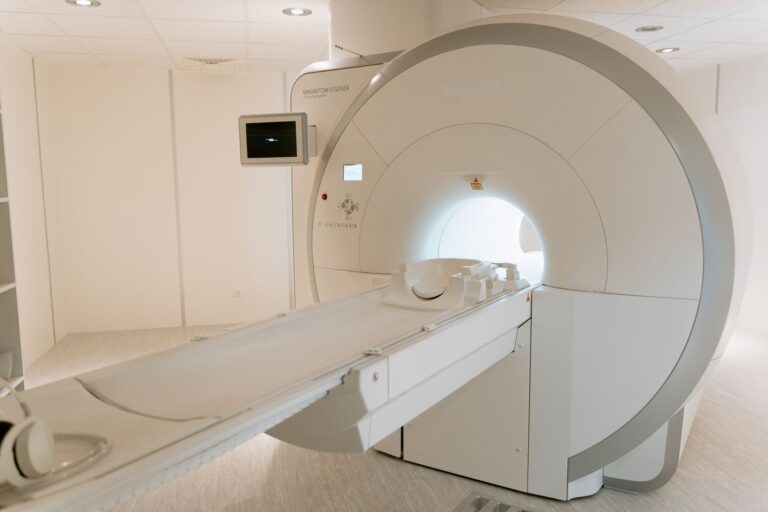
Treatment requires a recent baseline brain MRI plus follow-up MRIs at about one, two, three, and six months, with ApoE e4 testing because homozygotes face higher rates of symptomatic and serious ARIA, as summarized by the Drugs.com approval history. Those scans can detect ARIA before symptoms develop. Missing an MRI can delay detection of a treatable safety issue.
Initiation supply was planned for late August 2026 through specialty pharmacy, with LEQEMBI Companion nurse education plus coverage and copay support, according to PharmExec in the pharmacy distribution report. At-home use still depends on training, MRI attendance, and rapid symptom reporting. Bring your symptom notes and dose log to every MRI and check-in visit.
You Might Also Like
- MRI and ARIA Monitoring With At-Home Leqembi in 2026: Safety and Monitoring Questions for People With Mild Cognitive Impairment
- High Cholesterol in the 2026 WHO Dementia Guideline: Questions Adults Over 65 Can Discuss With a Clinician
- CMS GUIDE Dementia Quality Measures for 2026: Eligibility and Participation Questions for Family Caregivers