Set up a quiet, clutter-free, well-lit corner with a sturdy table and supportive chairs. Stock simple, failure-free games and hold short sessions at the same time each day. Memory care at home means daily support that keeps a person with dementia safe, calm and engaged. A games corner gives that support one clear place, with familiar objects always ready for play.
Medical information disclaimer: This article is for general educational purposes only and does not provide medical advice, diagnosis, or treatment. Always consult a physician or other qualified health professional about symptoms, medications, tests, or treatment decisions.
Table of Contents
- Where should the corner go?
- How do you make it easy to see and safe?
- What games should you keep there?
- How do you run a calm daily session?
Where should the corner go?
Choose a quiet spot away from television noise, foot traffic and visual clutter. U.S. Alzheimers.gov advises good lighting and clear walkways because they reduce confusion and fall risk, described in its tips for caregivers and families.
Use a sturdy table that will not wobble when leaned on. Pair it with supportive chairs with arms, placed so the person can sit and stand safely. Keep walkways wide and cords tucked away from feet. Leave space for a walker or wheelchair if one is used now or may be used later.
How do you make it easy to see and safe?
Make walls lighter than floors for contrast and use soft or frosted bulbs to reduce glare. The National Institute on Aging recommends these light and contrast steps to aid orientation, explained in its home safety tips. Paint walls a light color to reflect light.
Secure large bookcases or shelves against tipping so reaching for a game cannot pull furniture down. Remove trip hazards such as loose rugs and extension cords. Add a nightlight near the corner, install out-of-sight door latches nearby, and cover or remove stove knobs if the kitchen is close.
What games should you keep there?
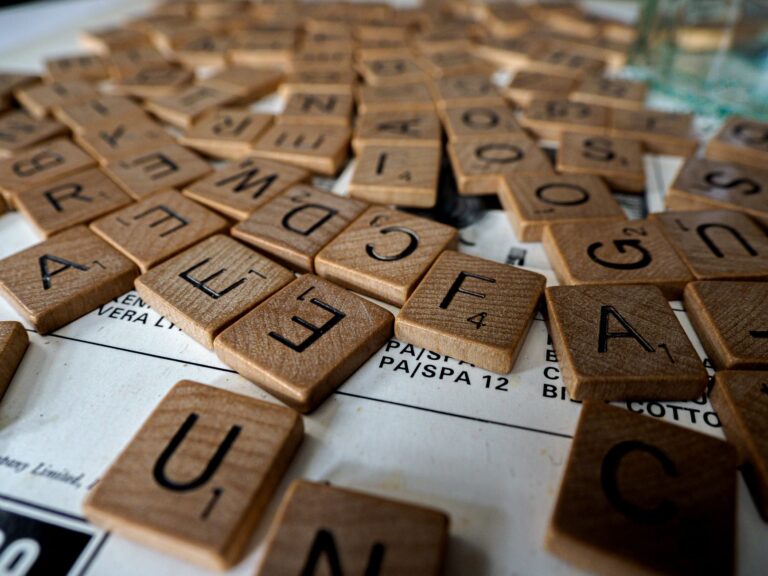
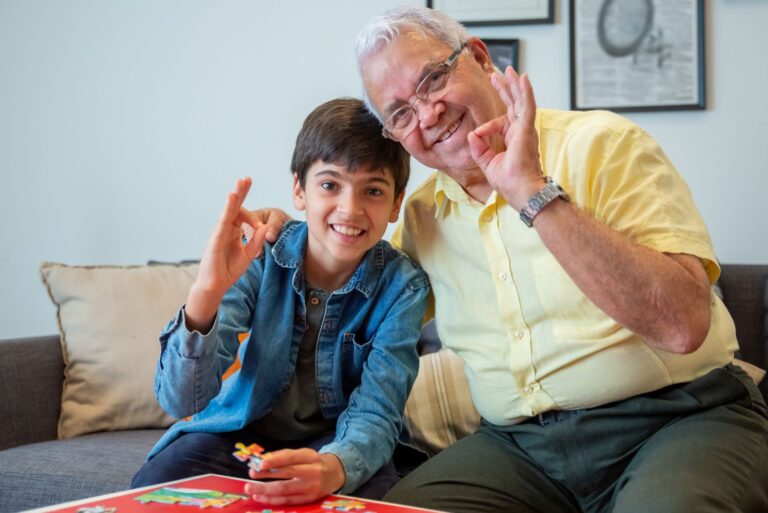
Keep a small rotation of simple games matched to current ability and past interests. The Alzheimer's Society Shop lists large-piece jigsaws in 13-, 35-, 63- or 100-piece sets alongside matching pairs and dominoes, shown in its jigsaws for people with dementia. Include animal snap or matching pairs, bingo, dominoes and large-print word searches.
Choose pieces that are easy to grip, see and tell apart. Adapt choices by stage. Early-stage players may enjoy card games, trivia and puzzles for mental engagement, while middle- or late-stage players often do better with familiar repetitive tasks such as sorting socks, folding laundry or looking at photos.
How do you run a calm daily session?
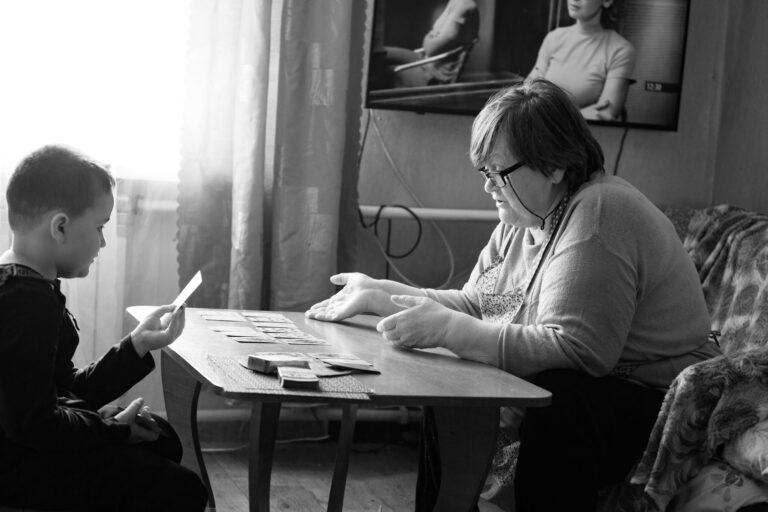
Plan one short session at the same time each day. Offer one step at a time and join in to start the activity.
Use this simple routine: Frequent late-life reading, letter writing and play with checkers, board games, cards or puzzles was associated with delaying Alzheimer's dementia onset by up to five years in a Rush study, but it does not prevent or treat dementia. Treat games as a way to support connection, routine and enjoyment.
- invite, do not test: sit down together and name the game
- show one step: place the first puzzle piece, card or domino yourself
- hand over one turn: allow plenty of time and praise effort
- stop while it is still pleasant: put the game back in the same place