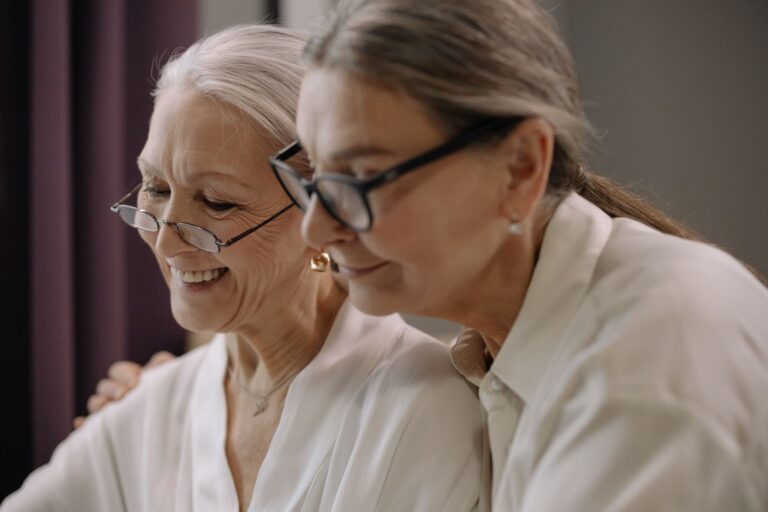
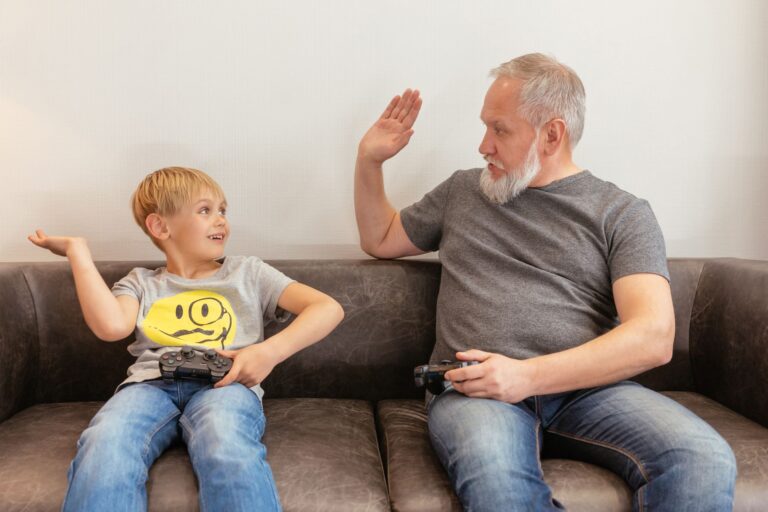
Memory care games for caregivers during winter shut-ins are indoor card games, puzzles, word games, music, and conversation activities done together at home. They give caregivers a safe way to fill long indoor days with social and mental engagement. Memory care games mean simple, failure-free activities that prompt attention, memory, language, or movement. They work best as shared time, not solo drills or tests.
Medical information disclaimer: This article is for general educational purposes only and does not provide medical advice, diagnosis, or treatment. Always consult a physician or other qualified health professional about symptoms, medications, tests, or treatment decisions.
Table of Contents
- Which indoor games should caregivers try first?
- What does the evidence say they do?
- How can caregivers structure a winter day?
- What are the limits to expect?
- Frequently Asked Questions
Which indoor games should caregivers try first?
The Alzheimer's Association advises caregivers to use indoor card games and puzzles together to engage a person with Alzheimer's or dementia, according to its family activities page. Its daily care plan also lists reading, crossword puzzles, playing cards, listening to music, and active games as intellectual and social activities, described in its daily care plan.
Choose materials that are easy to see and handle. Large-print cards, large-piece puzzles, familiar songs, and short word games reduce frustration.
- Match pairs of cards face-up, then face-down for a short round
- Build a 24- to 100-piece puzzle across several sittings
- Read aloud, sing along, sort photos, or bake a simple recipe together
What does the evidence say they do?
A Cochrane systematic review of 15 trials with 718 people with mild-to-moderate dementia found cognitive stimulation with word games, puzzles, music, discussion, and baking improved thinking-test scores, as summarized by Cochrane Taiwan's summary. That means scores rose on brief clinic tests after structured group programs.
The benefit comes from active, social participation rather than passive entertainment. Learning a demanding hobby, talking through choices, and naming memories all ask the brain to attend, recall, and respond.
How can caregivers structure a winter day?
The Alzheimer's Association warns that winter freezing temperatures, snow, ice, and early darkness are dangerous for people with dementia, urging caregivers to monitor weather, plan for storms, bundle up in layers, and closely monitor wandering and sundowning, in its emergency preparedness guidance. A shut-in day needs light, rhythm, and movement indoors.
Keep sessions short, calm, and predictable. Stop before fatigue or agitation starts, then switch to music, snacks, or rest.
- Plan one morning and one afternoon activity, 20 to 30 minutes each
- Open curtains by day and turn lights on before dusk
- Offer water, warm drinks, bathroom breaks, and a short walk between rooms
What are the limits to expect?
Health reporting on dementia games notes that evidence for brain games is mixed and they support thinking skills but are not a guaranteed treatment for dementia. Treat games as comfort, connection, and daily routine, not therapy that slows decline.
Watch for signs to simplify or stop. These include repeated distress, accusations, pacing, yelling, or withdrawal. Shorten the game, lower the difficulty, switch to music or touch-based activity, and try again another day.
Frequently Asked Questions
How long should a game session last?
Aim for 20 to 30 minutes, once or twice daily, and end while the experience is still pleasant.
What if the person says the game is childish or refuses?
Offer a choice between two familiar adult activities, such as cards or music, and join in rather than directing.