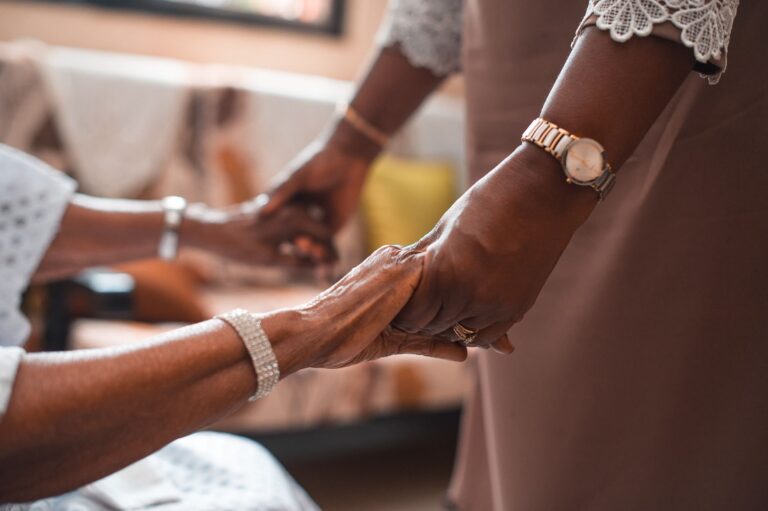
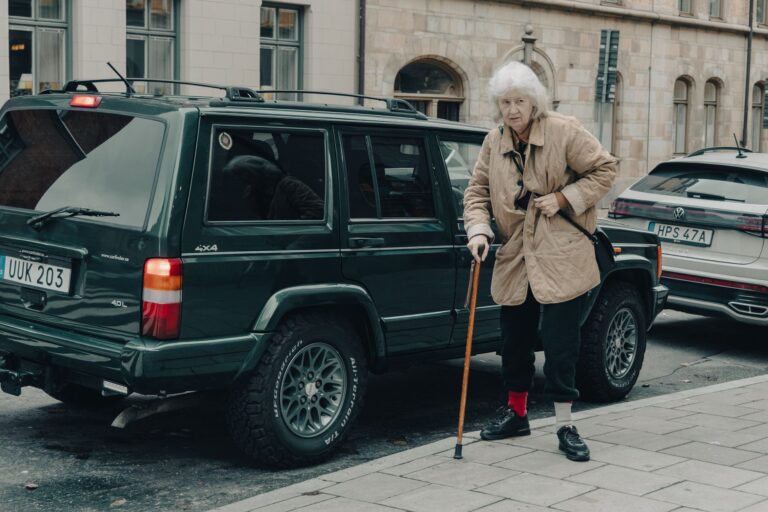
If Alzheimer's runs in your family, keeping muscle can lower risk but cannot guarantee prevention. Sarcopenia, the age-related loss of muscle mass and strength, predicts faster movement along the Alzheimer's continuum from early disease to dementia. Family history raises personal risk, but it does not mean a person will develop disease. That gap is where muscle health and daily habits matter most.
Medical information disclaimer: This article is for general educational purposes only and does not provide medical advice, diagnosis, or treatment. Always consult a physician or other qualified health professional about symptoms, medications, tests, or treatment decisions.
Table of Contents
- How is muscle loss connected to Alzheimer's?
- What does family history change?
- What practical steps help muscle and brain?
- Where are the benefits limited?
How is muscle loss connected to Alzheimer's?
Sarcopenia predicted progression from preclinical disease to mild cognitive impairment due to Alzheimer's and to Alzheimer's dementia in a 2024 clinic study, as reported in Scientific Reports in the May 2024 clinic study. The link held along the full Alzheimer's continuum, not only in late dementia.
Muscle loss is also common after diagnosis. About 33.9% of people diagnosed with Alzheimer's have sarcopenia, rising from 31.2% in mild disease to 41.9% in moderate-to-severe disease in pooled data, according to a Cells review in the October 2025 pooled analysis. Higher burden in later stages fits loss of activity, appetite, and function as disease advances.
What does family history change?
Having relatives with Alzheimer's increases personal risk, and broader extended-family history improves risk stratification. The National Institute on Aging notes that this pattern helps identify higher-risk families, yet family history alone does not fix fate.
Genes shape part of that risk. The APOE-e4 allele raises late-onset Alzheimer's risk, with two copies raising risk more than one, while APOE-e2 may delay onset. Many carriers never develop dementia, so genes inform risk rather than decide it.
What practical steps help muscle and brain?
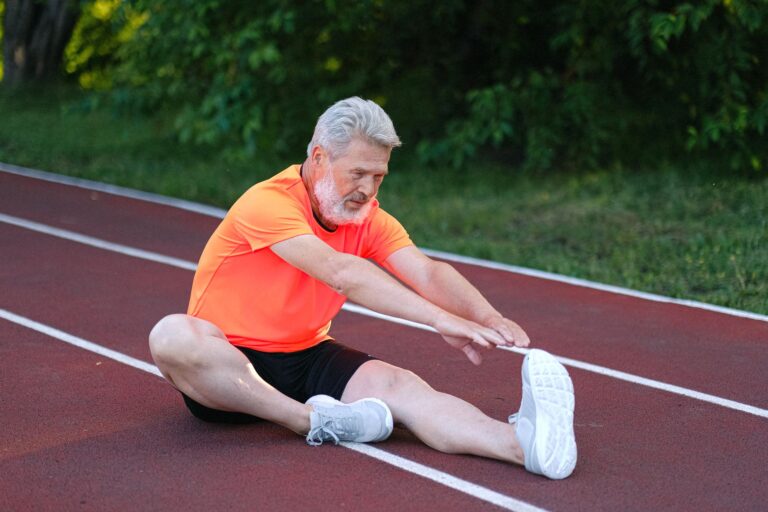
Regular aerobic plus strength activity lowers dementia risk. The Centers for Disease Control and Prevention advises at least 150 minutes of moderate activity weekly for brain and heart benefits, described in the CDC brain-health guidance.
The World Health Organization also advises exercise, not smoking, limiting alcohol, healthy diet and weight, and controlling blood pressure, cholesterol, and blood sugar. For readers with a family history, useful actions include:.
- walk briskly most days toward the weekly activity target
- add strength work twice weekly for legs, hips, and grip
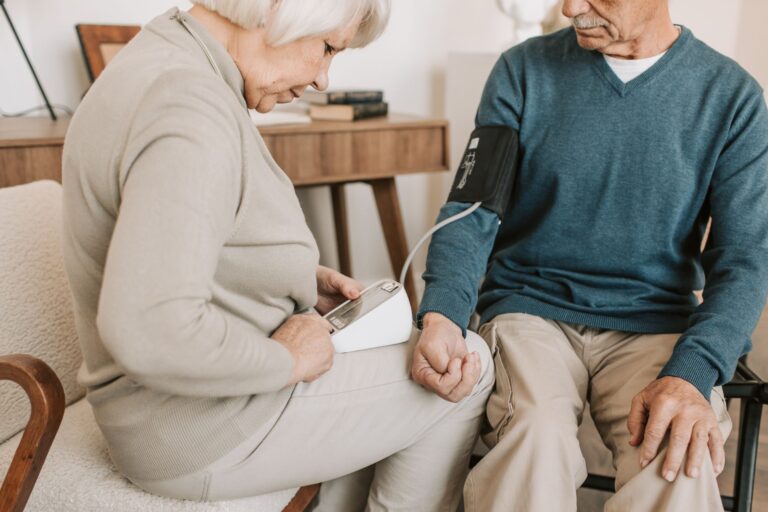
- treat hearing loss, high blood pressure, diabetes, depression, and isolation early
- ask a clinician about safe progression, protein intake, and balance training
Where are the benefits limited?
About 45% of dementia cases worldwide are theoretically attributable to 14 modifiable factors including inactivity, obesity, hypertension, diabetes, hearing and vision loss, depression, and isolation, according to the 2024 Lancet Commission summarized by Alzheimer Europe. That estimate shows large opportunity, but also leaves much risk unmodified.
No lifestyle, muscle treatment, or genetic result can guarantee prevention. Sarcopenia-dementia links remain largely observational, and early disease can itself reduce activity and nutrition. Keep muscle checks as one early warning and action point, and seek prompt memory оцінку from a clinician when decline appears.