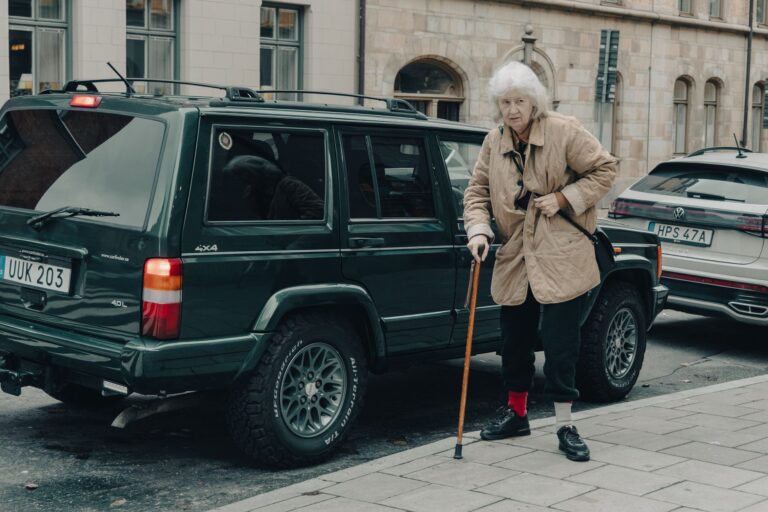
Evidence supports two separate risks: falls predict higher future dementia risk, and a parent or sibling with Alzheimer's raises personal Alzheimer's risk. Dementia means ongoing loss of memory, thinking, and daily function beyond normal aging.
A family history does not change what a fall means. It raises the starting risk that a fall warning applies to. That combination makes follow-up matter more.
Medical information disclaimer: This article is for general educational purposes only and does not provide medical advice, diagnosis, or treatment. Always consult a physician or other qualified health professional about symptoms, medications, tests, or treatment decisions.
Table of Contents
- How much do falls raise dementia risk?
- What does family history add?
- Are falls a cause or an early sign?
- What should you do after a fall?
How much do falls raise dementia risk?
In about 2.45 million Medicare beneficiaries with traumatic injury, falls carried 21% higher future dementia risk than other injuries. About 10.6% of fall patients received a dementia diagnosis within one year, according to the JAMA Network Open study the JAMA Network Open study. A pooled analysis of almost 3 million adults over 40 found a similar pattern.
One prior fall linked to about 20% higher dementia risk, while multiple falls linked to about 74% higher risk, according to the Changchun University review the Changchun University review. In a 10-year study of 125 cognitively normal older adults, people who fell in year one declined as fast as people with elevated brain amyloid. Amyloid is a brain protein deposit used as a gold-standard Alzheimer marker.
What does family history add?
Having a parent or sibling with Alzheimer's increases personal Alzheimer risk. Risk rises further when more than one first-degree relative is affected, according to the Alzheimer's Association guidance the Alzheimer's Association guidance. The relative increase is modest but concrete.
Harvard Health Publishing reports about 30% higher relative risk with a close relative affected. For example, a 2% yearly risk at age 65 becomes about 2.6%. That higher baseline does not guarantee illness. It means the same fall-related warning signal starts from higher odds.
Are falls a cause or an early sign?
The fall-dementia link is association, not proven causation. Researchers state falls may be an early sign of undetected brain change rather than a cause of dementia. Brain amyloid status sharpens the picture.
Adults with both high amyloid and a fall history declined fastest. Fallers with normal amyloid still progressed to Alzheimer dementia at rates similar to non-fallers with high amyloid. In practice, a fall can reveal trouble with balance, attention, and judgment before memory symptoms appear. Treat it as information, not blame.
What should you do after a fall?
Authors recommend cognitive screening after a fall that needs emergency or hospital care. The CDC recommends annual fall-risk screening for adults 65 and older, with assessment and intervention, according to the CDC STEADI guidance.
Bring family history to that visit. It helps the clinician judge urgency and testing.
- Report the fall, head impact, medications, and memory or thinking changes.
- Ask about cognition testing, gait and balance checks, vision, and home hazards.
- With a parent or sibling affected, ask whether earlier or closer follow-up fits.