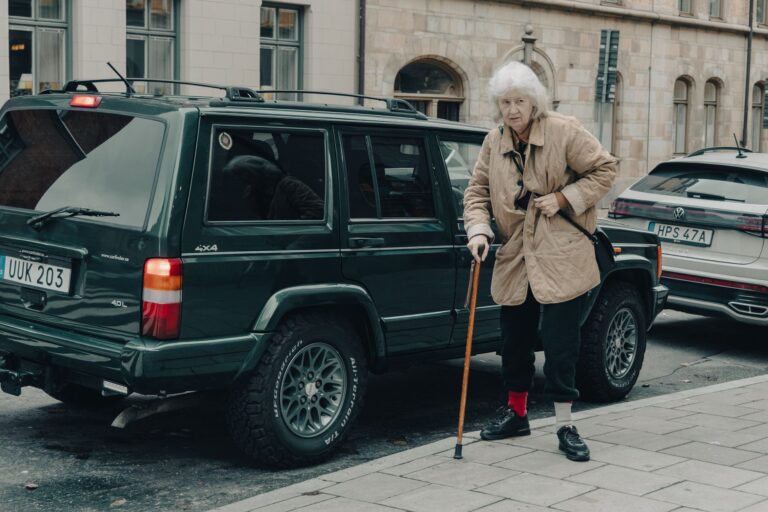
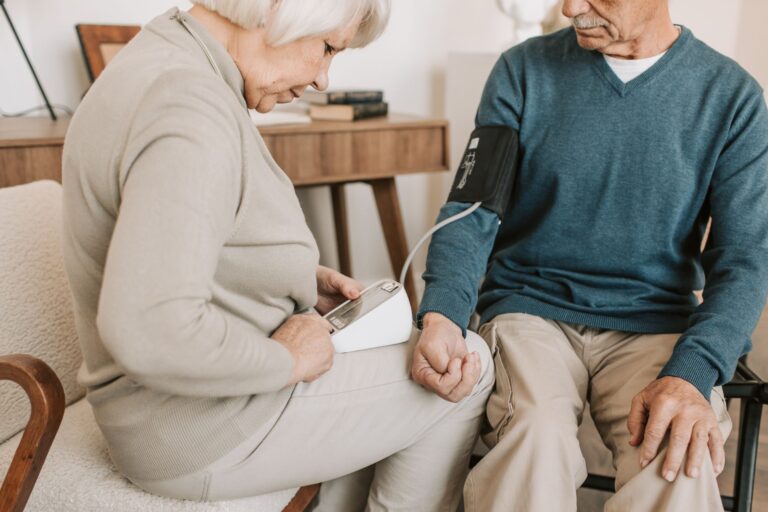
Sarcopenia is linked to higher dementia risk, and a family history of Alzheimer's adds more risk on top. Sarcopenia means age-related loss of muscle mass, strength and physical function. For readers with a parent or sibling affected, muscle health and inherited risk interact rather than act alone. The evidence is observational, so it guides prevention rather than proving cause.
Medical information disclaimer: This article is for general educational purposes only and does not provide medical advice, diagnosis, or treatment. Always consult a physician or other qualified health professional about symptoms, medications, tests, or treatment decisions.
Table of Contents
- How strong is the muscle-dementia link?
- What does family history add?
- Does muscle loss cause dementia?
- What can you do now?
How strong is the muscle-dementia link?
A Curtin-led review of more than 80 studies found people with sarcopenia had a 42% higher risk of developing dementia, according to the Curtin University summary. Curtin University described this as the strongest muscle-body signal reported. Sarcopenia can begin in midlife and accelerate after age 60.
A large UK Biobank study followed 483,637 dementia-free adults and linked probable sarcopenia to higher risk of all-cause dementia and Alzheimer's disease, according to the Translational Psychiatry paper listed on PubMed. That analysis found alcohol use partly mediated the link. It gives a long-term, prospective view rather than a single snapshot.
What does family history add?
The Alzheimer's Association notes that having a parent, brother or sister with Alzheimer's increases a person's likelihood of developing it. Risk rises further with more than one affected first-degree relative. This matters for adult children and siblings planning screening and daily habits. Harvard Health Publishing puts the added relative risk at about 30%.
At age 65, that turns roughly 2 cases per 100 people per year into about 2.6 cases. Most at-risk people still do not develop Alzheimer's in that year. The same UK Biobank analysis reported an interaction between probable sarcopenia and genetic susceptibility for Alzheimer's risk. In plain terms, muscle loss and inherited risk jointly shape outcomes. Someone with both factors faces a different risk picture than someone with one alone.
Does muscle loss cause dementia?
No, the current studies do not prove cause. Curtin University and the Translational Psychiatry authors describe observational associations. Early cognitive decline, inactivity, illness and study differences can confound results. That limit still leaves a useful warning sign.
Low strength, slow gait and trouble rising from a chair can prompt earlier medical review. They point to shared risks such as poor activity, vascular strain and frailty. Readers should treat sarcopenia as a modifiable risk marker, not a diagnosis of future dementia. A clinician can check medications, mood, sleep, hearing, blood pressure and nutrition alongside muscle function. That broader check avoids blaming memory changes on muscle alone.
What can you do now?
CDC guidance for generally fit adults 65 and older recommends at least 150 minutes weekly of moderate aerobic activity plus muscle-strengthening on 2 or more days, according to the CDC activity transcript. That routine directly targets sarcopenia-related risk. Ask a clinician before starting if you have heart disease, joint problems or fall risk.
Bring family history to the visit. Note who was affected, at what age and whether more than one first-degree relative had Alzheimer's. Clear details help the clinician set screening, exercise and follow-up plans.
- Walk briskly, cycle or swim to reach weekly aerobic minutes
- Train major muscle groups with bands, weights or body weight twice weekly
- Add balance practice, protein at meals and steady sleep habits
- Track grip strength, walking speed and chair stands over time