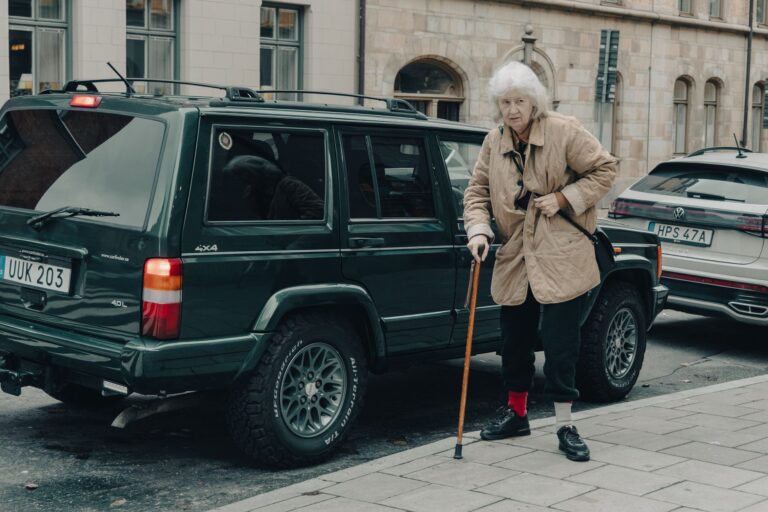
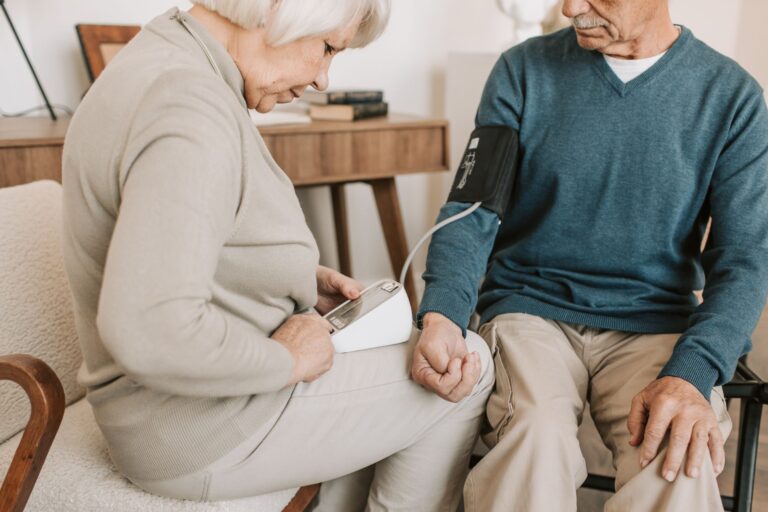
Track sarcopenia in a dementia prevention plan by testing grip strength, timed chair stands, and walking speed every few months and checking muscle mass in clinic. Sarcopenia means age-related loss of muscle strength and mass, and tracking its early decline gives you a concrete measure to act on when Alzheimer's runs in the family. Write the numbers in the same log you use for exercise, blood pressure, and other brain-health habits. The pattern matters more than any single result, because steady loss signals a need to adjust activity and talk with your clinician.
Medical information disclaimer: This article is for general educational purposes only and does not provide medical advice, diagnosis, or treatment. Always consult a physician or other qualified health professional about symptoms, medications, tests, or treatment decisions.
Table of Contents
- What counts as low strength?
- Which tests can you repeat over time?
- Why does muscle loss matter for dementia risk?
- How do you fit tracking into a prevention plan?
- What will these numbers not tell you?
- Frequently Asked Questions
What counts as low strength?
Probable sarcopenia starts with low strength, not small muscles. The EWGSOP2 definition reproduced in an Obesity Surgery review sets grip under 27 kg for men and 16 kg for women, or five chair stands taking over 15 seconds, as the threshold.
Low muscle mass confirms the diagnosis. Slow walking, at 0.8 meters per second or slower, marks severe sarcopenia under the same definition.
Which tests can you repeat over time?
Clinicians track sarcopenia with hand-grip dynamometry, timed five-repetition chair stands, and 4-meter gait speed, according to the Clinical Interventions in Aging review. Muscle mass is measured separately with clinic DXA or bioimpedance.
The strength and speed tests are simple enough to repeat on a schedule. For a home and clinic routine, use the same tools each time: Bring the log to appointments for DXA or bioimpedance comparison and repeat testing over months to detect decline.
- Hand-grip dynamometer for best of two or three squeezes per hand.
- Straight-backed chair and stopwatch for five stand-ups without using arms.
- Marked 4-meter course and stopwatch for usual walking speed.
Why does muscle loss matter for dementia risk?
In 420,916 UK Biobank adults, possible sarcopenia, sarcopenia, and sarcopenic obesity were prospectively linked to higher risk of all-cause dementia, Alzheimer's, and vascular dementia plus worse cognition. That finding comes from the UK Biobank study record. A separate prospective cohort also found probable sarcopenia predicted higher dementia risk, with alcohol use partly mediating risk.
Family history raises concern but does not fix the outcome. Having APOE e4 raises Alzheimer's risk and may lower onset age, yet many carriers never develop dementia and many patients lack e4, as the National Institute on Aging genetics fact sheet explains. Muscle tracking adds a modifiable signal beside inherited risk.
How do you fit tracking into a prevention plan?
Test on a fixed day, such as the first Saturday every three months, under the same conditions. Record grip in kilograms, chair stands in seconds, and gait speed in meters per second, plus weight, illness, and recent activity. Share a downward trend promptly rather than waiting for a very low score.
Use the results to protect activity. The CDC advises adults 65 and older to get 150 minutes per week of moderate aerobic activity plus two days of muscle-strengthening and balance work. That pattern supports both thinking skills and muscle, so missed sessions, joint pain, or fatigue belong in the same log as the strength numbers.
What will these numbers not tell you?
About 45 percent of dementia cases could theoretically be prevented or delayed by addressing 14 modifiable factors including inactivity, hypertension, obesity, diabetes, hearing and vision loss, smoking, and isolation. Muscle scores reflect only the strength and mobility part of that larger picture. Normal grip today does not guarantee normal memory later, and a low score does not diagnose dementia.
Treat APOE testing the same way. It refines risk information but alone cannot predict who will develop Alzheimer's. Keep genetics, muscle trends, and vascular and sensory factors in separate columns and review them together with your clinician.
Frequently Asked Questions
How often should I retest?
Every three to six months works for most adults, with sooner retesting after illness, fall, hospital stay, or a long break from activity.
What should I do if my chair-stand time gets slower?
Bring the dated scores to your clinician, review medicines, pain, sleep, and activity, and ask about strength and balance training and a muscle-mass check.